
- This event has passed.
World Lung Cancer Day
August 1, 2025
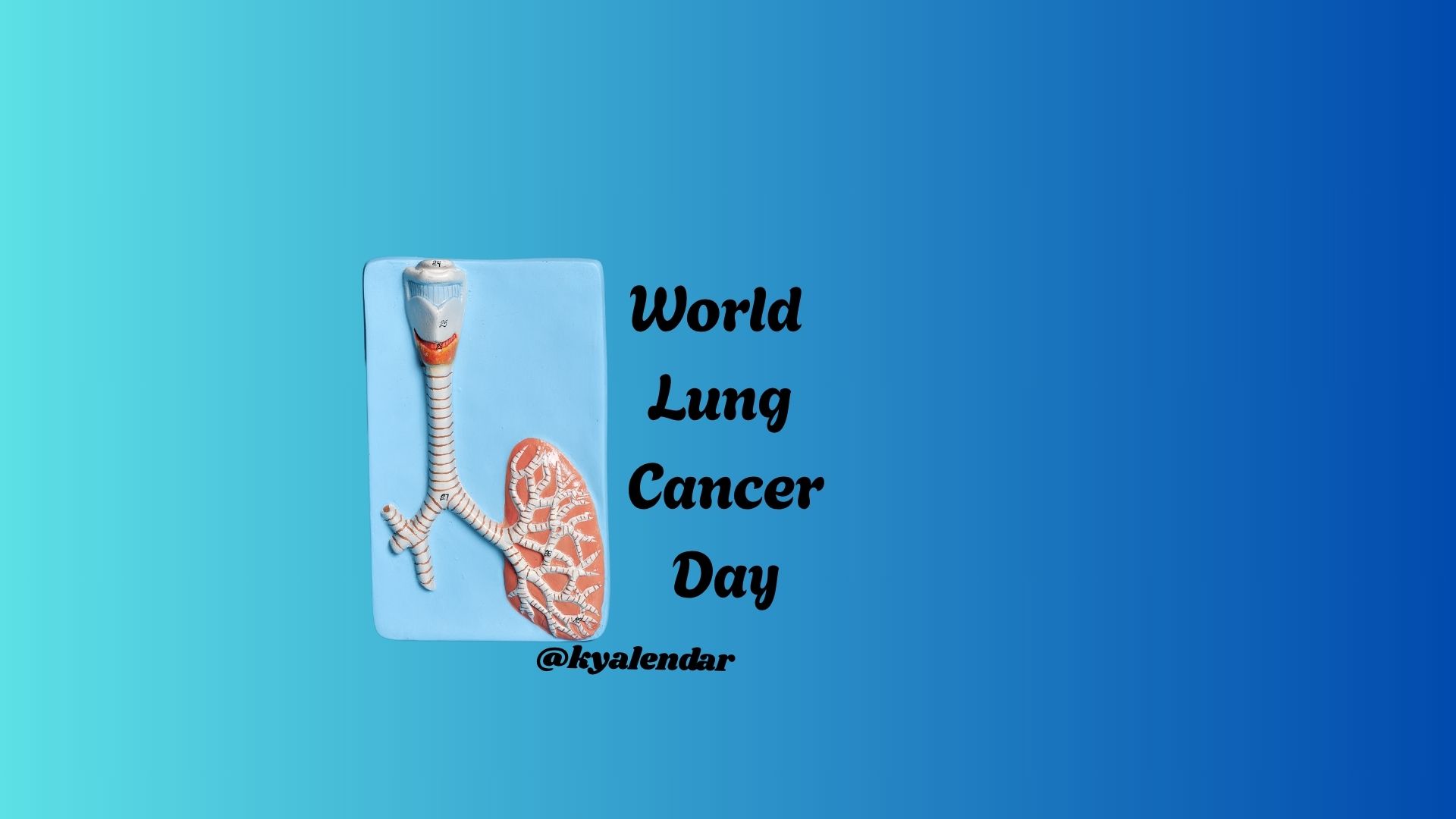
World Lung Cancer Day is observed on August 1st each year, serving as a vital platform for raising awareness about lung cancer, its causes, symptoms, and the importance of early detection. This day not only focuses on the medical aspects of lung cancer but also aims to support those affected by the disease, highlighting the need for research and advancements in treatment options.
Understanding Lung Cancer
Lung cancer is one of the most prevalent types of cancer worldwide, and it remains a leading cause of cancer-related deaths. It is broadly classified into two main types: non-small cell lung cancer (NSCLC) and small cell lung cancer (SCLC).
- Non-small cell lung cancer (NSCLC) accounts for approximately 85% of all lung cancer cases and tends to grow and spread more slowly than SCLC. This type is further divided into several subtypes, including adenocarcinoma, squamous cell carcinoma, and large cell carcinoma.
- Small cell lung cancer (SCLC), while less common, is more aggressive and spreads rapidly to other parts of the body. It is strongly associated with smoking.
Causes and Risk Factors
Several factors contribute to the development of lung cancer, with tobacco smoke being the most significant risk factor. Other contributors include:
- Exposure to Carcinogens: Prolonged exposure to substances such as asbestos, radon gas, and certain chemicals can increase the risk of developing lung cancer.
- Genetic Factors: A family history of lung cancer can predispose individuals to the disease, suggesting a genetic component.
- Air Pollution: Environmental factors, including air pollution, have been linked to a higher incidence of lung cancer, particularly in urban areas.
- Chronic Lung Diseases: Conditions such as chronic obstructive pulmonary disease (COPD) and pulmonary fibrosis can increase susceptibility to lung cancer.
Signs and Symptoms
The early stages of lung cancer may not present any noticeable symptoms, making regular screenings crucial for high-risk individuals. Common symptoms that may develop as the disease progresses include:
- Persistent cough or changes in an existing cough
- Chest pain that worsens with deep breathing or coughing
- Shortness of breath
- Unexplained weight loss
- Coughing up blood or rust-coloured sputum
- Fatigue
Importance of Early Detection
Early detection is critical in improving survival rates for lung cancer patients. Screening methods, such as low-dose computed tomography (LDCT), have been shown to reduce mortality in high-risk populations, particularly long-term smokers aged 55 to 80. On World Lung Cancer Day, healthcare professionals and organisations encourage at-risk individuals to discuss screening options with their doctors.
Supporting Lung Cancer Research
World Lung Cancer Day also aims to highlight the importance of ongoing research in understanding and treating lung cancer. Funding for research can lead to new therapies, improved screening methods, and ultimately better outcomes for patients. Many organisations participate in fundraising efforts and advocate for increased funding for lung cancer research.
How to Get Involved
Individuals can participate in World Lung Cancer Day in several meaningful ways:
- Raise Awareness: Sharing information about lung cancer on social media, hosting community events, or distributing educational materials can help spread awareness about the disease.
- Support Fundraising Efforts: Many cancer research organisations hold fundraising events, such as runs or walks, to support lung cancer research. Participating in these events can contribute to vital research efforts.
- Educate Yourself and Others: Understanding the risks, symptoms, and treatment options for lung cancer empowers individuals to make informed decisions about their health and encourages discussions about lung cancer within their communities.
- Advocate for Policy Changes: Engaging in advocacy efforts to promote lung cancer research funding and support for patients can have a significant impact on the resources available for tackling this disease.
Conclusion
World Lung Cancer Day serves as an essential reminder of the ongoing battle against lung cancer and the importance of awareness, research, and support for those affected by the disease. By coming together as a community to share knowledge and resources, we can help improve outcomes for patients and work towards a future where lung cancer is better understood and more effectively treated. Whether through education, advocacy, or support for research, every action counts in the fight against lung cancer.