
- This event has passed.
Uncommon Instrument Awareness Day
July 31, 2025
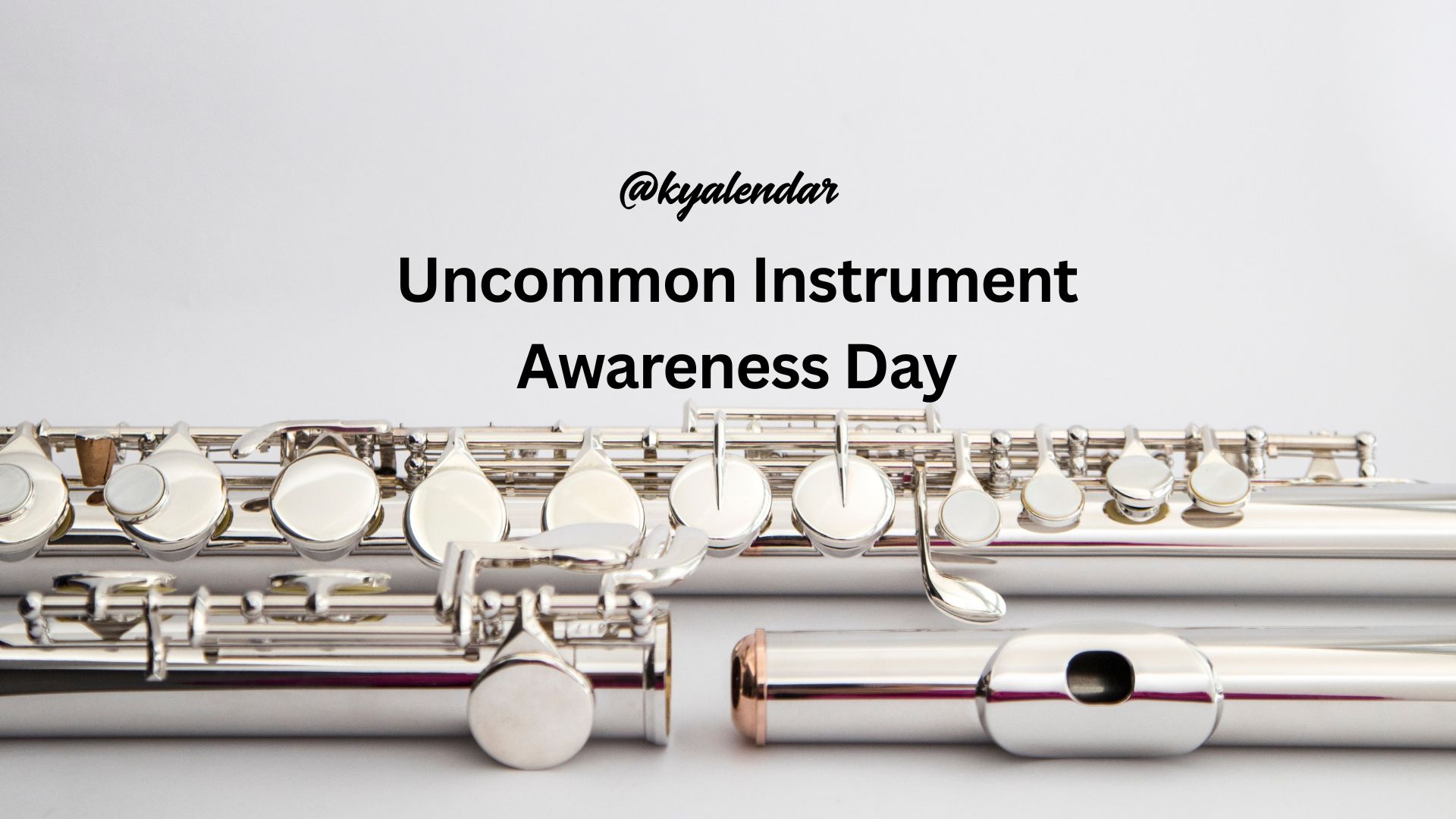
Uncommon Instrument Awareness Day is celebrated on 31st July every year to shine a spotlight on the world’s more unique, lesser-known musical instruments. While the piano, guitar, and drums may steal the limelight in most musical compositions, this day celebrates those quirky, rare, and sometimes obscure instruments that often go unnoticed. The day not only acknowledges the variety of sounds these instruments produce but also encourages curiosity and exploration of new and different musical avenues.
The Importance of Uncommon Instruments
Music is a universal language, and instruments are its tools. While common instruments have shaped popular music, there are countless lesser-known instruments that have contributed to traditional, experimental, and avant-garde music genres. These uncommon instruments can add distinctive tones and textures to music, making compositions more vibrant and rich. Many of these instruments have fascinating histories, often tied to specific cultures and regions, offering a deeper understanding of global musical traditions.
Celebrating uncommon instruments is a way to broaden our appreciation of music. It encourages musicians and listeners alike to step outside their comfort zones and explore instruments they may have never heard of before. In doing so, they open themselves up to new sounds, rhythms, and techniques, expanding the boundaries of their musical experience.
Examples of Uncommon Instruments
- Theremin
The Theremin is one of the most unusual and iconic electronic instruments. Invented by Léon Theremin in 1928, it is played without physical contact. The musician controls pitch and volume by moving their hands near two metal antennas, creating eerie, otherworldly sounds. The Theremin is famously associated with early sci-fi film scores and has been used by bands like Led Zeppelin and The Rolling Stones. - Didgeridoo
The Didgeridoo is a wind instrument developed by Indigenous Australians over a thousand years ago. Traditionally made from eucalyptus branches hollowed out by termites, the Didgeridoo produces a deep, resonant drone. It requires a unique playing technique known as circular breathing, which allows the musician to maintain a continuous sound by inhaling through the nose while simultaneously blowing out through the mouth. - Hurdy-Gurdy
The Hurdy-Gurdy is a stringed instrument that produces sound by turning a hand crank, which rubs against the strings via a wheel. The player presses keys to alter the pitch. It originated in Europe during the Middle Ages and is often associated with folk music. The Hurdy-Gurdy’s distinctive buzzing sound adds an enchanting, medieval flavour to compositions. - Hang Drum
The Hang Drum, also known as a handpan, is a steel drum created in Switzerland in the early 2000s. It has a soft, mellow sound, with resonating tones that are soothing and meditative. The Hang Drum is played with the hands, and its unique design allows for complex rhythms and melodies to be played simultaneously. Despite its recent invention, it has gained popularity in the world of world music and meditation soundscapes. - Mbira
The Mbira, sometimes referred to as a thumb piano, is a traditional African instrument that consists of metal tines mounted onto a wooden board. The player plucks the tines with their thumbs to produce melodic, bell-like tones. It is particularly associated with the Shona people of Zimbabwe, where it has long been used in ceremonial music and storytelling. - Nyckelharpa
The Nyckelharpa is a traditional Swedish stringed instrument that dates back to medieval times. It resembles a violin but uses keys to change the pitch of the strings, which are played with a bow. The Nyckelharpa has a haunting, ethereal sound and is often associated with Scandinavian folk music. - Waterphone
The Waterphone is a modern instrument known for its eerie, echoing sounds. It consists of a stainless-steel resonator bowl with metal rods attached, which are played by striking or bowing them. Water is placed inside the resonator, which affects the sound waves and creates its signature dissonant tones. The Waterphone is commonly used in horror films and experimental music.
Why Celebrate Uncommon Instrument Awareness Day?
- Encouraging Exploration
One of the key reasons to celebrate Uncommon Instrument Awareness Day is to promote exploration and curiosity in music. Musicians are often limited by the instruments they are familiar with. However, exploring uncommon instruments can unlock new creative potentials, offering fresh sonic possibilities. Whether it’s adding the ethereal tones of a Theremin to a rock track or incorporating the drone of a Didgeridoo into an ambient soundscape, uncommon instruments offer endless opportunities for innovation. - Cultural Appreciation
Many uncommon instruments are deeply rooted in the cultural traditions of specific regions. By learning about and playing these instruments, we can gain a deeper appreciation for the diversity of global music traditions. For example, the Mbira holds great significance in Zimbabwean culture, while the Didgeridoo plays an important role in Australian Aboriginal heritage. Playing and listening to these instruments fosters cross-cultural understanding and respect. - Pushing Musical Boundaries
Music evolves constantly, and uncommon instruments play a key role in pushing the boundaries of what we consider music. Electronic instruments like the Waterphone and Theremin challenge our perception of sound, while traditional instruments like the Hurdy-Gurdy or Nyckelharpa bring historical elements into contemporary music. Uncommon Instrument Awareness Day is a chance to celebrate innovation and embrace the avant-garde. - Expanding Musical Education
For aspiring musicians, learning about uncommon instruments can be a great way to expand their musical education. It encourages them to think outside the box and develop a more well-rounded understanding of music. Uncommon instruments often come with unique playing techniques, further enriching a musician’s skill set.
How to Celebrate Uncommon Instrument Awareness Day
- Learn about a New Instrument: Take time to research an instrument you’ve never heard of before. Watch videos of people playing it, read about its history, and, if possible, find a local music shop or workshop where you can try it yourself.
- Attend a Concert or Workshop: Many cities host workshops or concerts that feature unusual instruments, particularly in folk or experimental music scenes. Attending one of these events is a great way to experience these instruments live.
- Incorporate Uncommon Instruments into Music: If you are a musician, try incorporating an uncommon instrument into your next composition. It could add a unique flair to your work and inspire new creative directions.
- Share on Social Media: Spread awareness by posting about your favourite uncommon instrument on social media. Share videos, facts, and personal experiences with instruments that are off the beaten path.
Conclusion
Uncommon Instrument Awareness Day serves as a reminder that music is incredibly diverse, and the instruments we use to create it are as varied as the cultures they come from. This day is an opportunity to discover new sounds, appreciate different traditions, and embrace the creativity that comes from stepping outside the norm. Whether you’re a seasoned musician or simply a lover of music, take the time to celebrate the instruments that don’t always get the recognition they deserve.