
- This event has passed.
Stop Food Waste Day
April 30, 2025
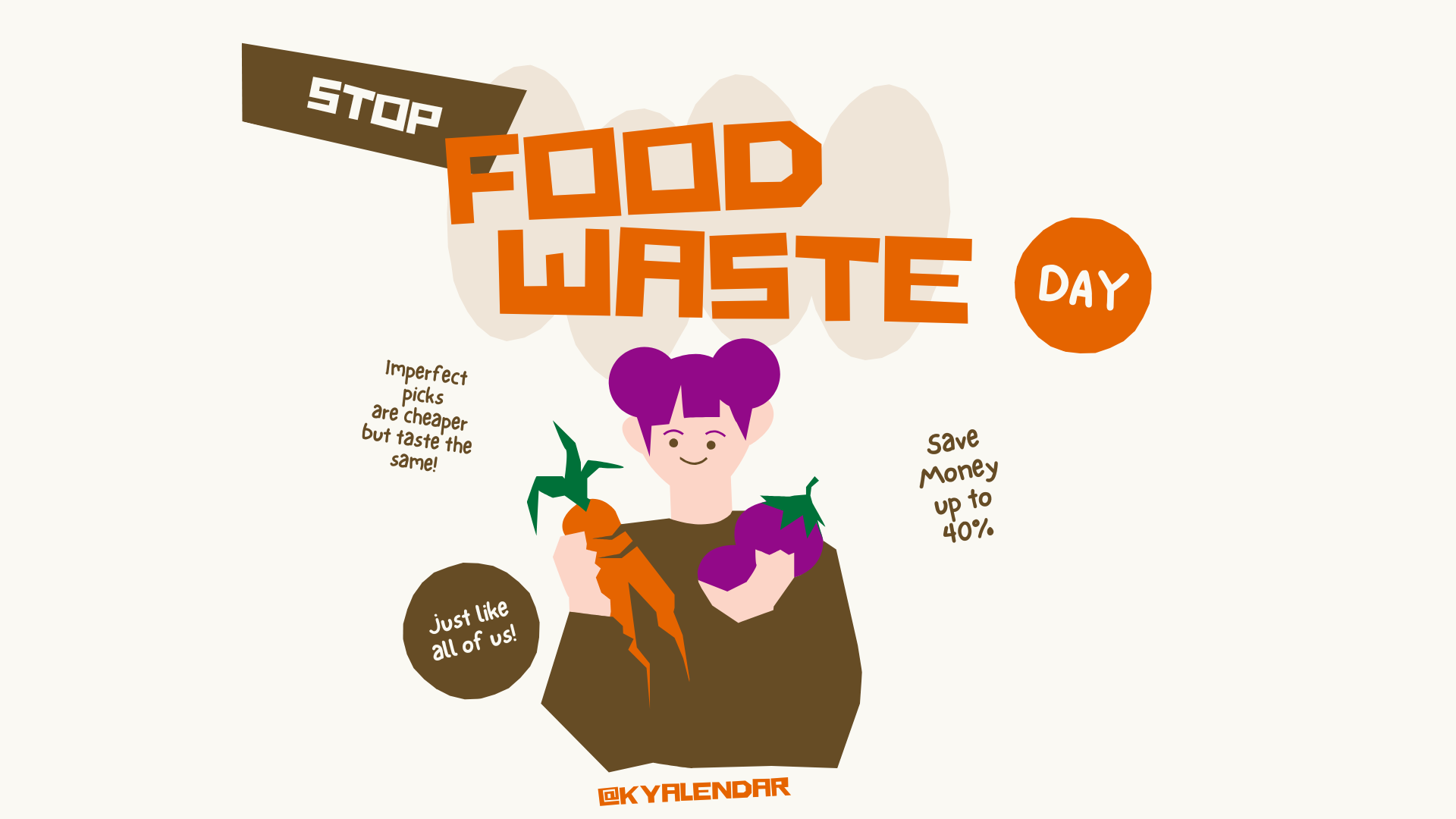
Stop Food Waste Day, observed annually on the last Wednesday in April, serves as an important reminder of the significant issue of food waste and its impact on our planet. This day aims to raise awareness about the staggering amount of food that is wasted globally and encourages individuals, communities, and businesses to take action to reduce food waste.
Understanding Food Waste
Food waste occurs at various stages of the food supply chain, including production, processing, distribution, and consumption. It is estimated that roughly one-third of all food produced for human consumption is wasted, which translates to about 1.3 billion tonnes of food each year. This waste not only represents a loss of valuable resources, such as water, land, and labour, but also has significant environmental consequences. When food is disposed of in landfills, it decomposes and generates methane, a potent greenhouse gas that contributes to climate change.
The Importance of Addressing Food Waste
- Environmental Impact: Food waste contributes to environmental degradation in multiple ways. The resources used in food production, including water, energy, and land, are wasted when food is thrown away. Moreover, the decomposition of food waste in landfills leads to the emission of methane, exacerbating climate change.
- Economic Costs: The financial implications of food waste are staggering. Globally, food waste is estimated to cost around $1 trillion each year. This includes not only the economic loss associated with wasted food but also the costs of disposal, transportation, and additional resource use in food production.
- Social Issues: Food waste is also a social issue, especially in a world where millions of people experience food insecurity. The food that is wasted could have been redistributed to those in need. By addressing food waste, we can contribute to alleviating hunger and ensuring that more people have access to nutritious food.
Goals of Stop Food Waste Day
Stop Food Waste Day aims to:
- Raise Awareness: The day focuses on educating individuals and communities about the magnitude of food waste and its consequences. Through campaigns, workshops, and community events, people are encouraged to learn more about the issue and understand its relevance.
- Promote Action: The day encourages everyone—from individuals to businesses—to take actionable steps to reduce food waste. This can include changing purchasing habits, better meal planning, and finding creative ways to use leftovers.
- Encourage Collaboration: By fostering collaboration among various stakeholders—including governments, businesses, and non-profit organisations—Stop Food Waste Day aims to create a united front in the fight against food waste. Sharing knowledge, resources, and best practices can lead to more effective solutions.
Practical Steps to Reduce Food Waste
There are numerous strategies that individuals and households can implement to minimise food waste:
- Meal Planning: Planning meals ahead of time can help avoid over-purchasing and ensure that ingredients are used before they spoil.
- Understanding Expiry Dates: It is essential to differentiate between “sell by,” “best before,” and “use by” dates. Many foods are still safe to consume after the “best before” date, so understanding these labels can help reduce unnecessary waste.
- Proper Storage: Storing food correctly can extend its shelf life. Using airtight containers, understanding how to store fruits and vegetables properly, and keeping a clean fridge can make a significant difference.
- Creative Use of Leftovers: Instead of discarding leftovers, consider ways to repurpose them into new meals. For example, vegetable scraps can be used to make broth, and stale bread can be turned into croutons or breadcrumbs.
- Composting: For food that is truly inedible, composting is a sustainable way to dispose of waste while enriching soil. This reduces landfill waste and can contribute to a more circular economy.
Community Involvement and Initiatives
Stop Food Waste Day often sees a variety of community initiatives and activities aimed at promoting food waste reduction. Local organisations and schools may organise events such as cooking demonstrations, food drives, and workshops on food preservation techniques. These initiatives provide practical tips and inspire individuals to take action in their own lives.
Many businesses also participate by implementing measures to reduce waste, such as donating surplus food to local charities, offering smaller portion sizes, and educating employees about food waste reduction strategies.
The Role of Technology in Reducing Food Waste
Technology is increasingly playing a role in addressing food waste. There are numerous apps and platforms designed to help consumers and businesses track food inventory, plan meals, and find creative recipes for leftover ingredients. Some companies are even leveraging technology to connect restaurants and grocery stores with local food banks, ensuring that surplus food reaches those in need.
Conclusion
Stop Food Waste Day serves as a crucial reminder of the importance of reducing food waste and the impact it has on our environment, economy, and society. By raising awareness and encouraging practical actions, this day inspires individuals, communities, and organisations to rethink their relationship with food and take meaningful steps towards sustainability. By working together to reduce food waste, we can contribute to a healthier planet and ensure that everyone has access to the food they need. As we observe Stop Food Waste Day, let us commit to making a difference—one meal at a time.