
- This event has passed.
National Tea Day, Nepal
April 28, 2025
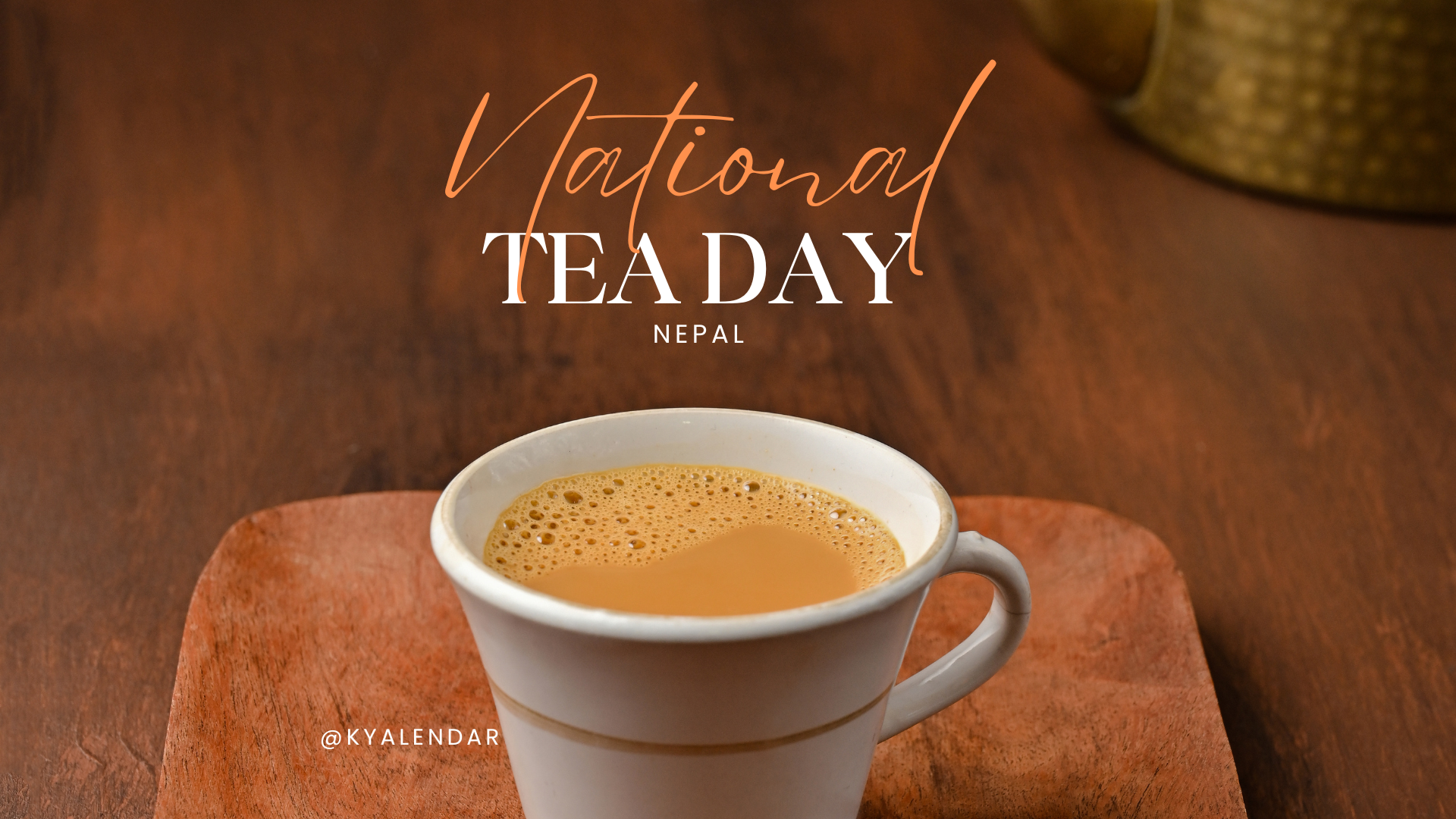
National Tea Day, Nepal: A Celebration of Flavour, Heritage, and Pride
Every year on Baisakh 15, which generally falls under last week of April, Nepal celebrates National Tea Day, a special day dedicated to honouring the country’s rich tradition of tea cultivation, its hardworking farmers, and the global journey of Nepali tea.
This day is not just about enjoying a cup of tea, it’s about celebrating a national heritage, a proud economy, and the spirit of the people who nurture every leaf.
The Origins of Tea Story
The history of tea in Nepal dates back to the mid-19th century. It is believed that the first tea saplings were brought from China during the rule of Prime Minister Jung Bahadur Rana. In 1863, the first tea plantation was set up in Ilām, a lush, hilly district in eastern Nepal. Thanks to its perfect climate and fertile soil, Ilām became Nepal’s first and most iconic tea-growing region.
To recognize the importance of tea to the nation’s culture and economy, the Government of Nepal officially designated Baisakh 15 as National Tea Day. This day honours the countless tea farmers, celebrates the growing fame of Nepali tea worldwide, and inspires a deeper appreciation for Nepal’s natural gifts.
Why Tea Matters in Nepal
In Nepal, tea is much more than a popular beverage. It is a source of livelihood for thousands of families across the country, particularly in the eastern hills. From plucking tender leaves to processing them into premium teas, the industry touches many lives and strengthens local economies.
Nepali tea is known internationally for its high quality, natural cultivation, and distinctive flavours. Often compared to the world-famous teas of Darjeeling, Nepal’s Orthodox tea is hand-plucked and carefully processed to preserve its delicate aroma and taste. The misty hills of Ilām, Panchthar, Dhankuta, and Terhathum produce teas that are bright, floral, and deeply refreshing, capturing the soul of Nepal’s hills in every cup.
The rise of CTC (Crush, Tear, Curl) tea production has also allowed Nepali tea to reach a broader local market, making it a daily favourite in households across the country.
How National Tea Day is Celebrated
Each year on National Tea Day, vibrant celebrations take place in tea-growing regions and cities throughout Nepal. Key events include:
-
Tea fairs and exhibitions, showcasing varieties of Nepali Orthodox and CTC teas.
-
Tea tasting sessions allow visitors to explore the diverse flavours and aromas of local teas.
-
Recognition ceremonies, where tea farmers and entrepreneurs are honoured for their contributions to the industry.
-
Seminars and workshops focused on sustainable farming, organic certification, and increasing tea exports.
-
Cultural programs, with traditional music, dances, and local food, weaving the spirit of tea into Nepali culture.
In Kathmandu and other cities, tea brands, cafes, and hotels often run special promotions or host free tasting events to bring greater awareness of Nepali tea to the urban public.
Social media campaigns featuring stories of farmers, beautiful tea gardens, and the journey from leaf to cup also create a buzz around this day.
The Global Push: Branding Nepali Tea
One major objective behind celebrating National Tea Day is to boost the international reputation of Nepali tea. Efforts are being made by both the government and private companies to market Nepali tea as a premium, sustainable, and authentic product on the world stage.
Campaigns such as “Drink Nepal, Taste Nepal” aim to highlight the purity of Nepali tea, its organic growing methods, and its cultural richness. There is also a strong push to secure Geographical Indication (GI) status for teas from Ilām and other regions, ensuring they are recognized globally for their unique origins and quality.
The growing interest in organic and artisanal products internationally offers an excellent opportunity for Nepali tea to shine.
The Spirit of National Tea Day
At its heart, National Tea Day is a reminder of the deep connection between Nepal’s land, its people, and its traditions. Tea gardens represent more than just agriculture; they represent community, resilience, and sustainability.
Every cup of Nepali tea tells a story — a story of misty mornings, gentle hands plucking leaves, generations of knowledge passed down, and the beauty of patience and care. It is a symbol of the Himalayan spirit: pure, strong, and nurturing.
On Baisakh 15, people across Nepal celebrate not only the beverage but the entire journey — from the hills to the teapot — and the pride of sharing something truly Nepali with the world.
Final Thoughts
National Tea Day, Nepal, is a proud celebration of heritage, economy, and natural beauty. It reminds Nepalis to honour the farmers who keep this tradition alive and to cherish the delicate art of tea-making.
So this Baisakh 15, raise your cup high, and toast to the misty hills, the hardworking hands, and the soulful spirit of Nepal that infuses every leaf with love and pride.