
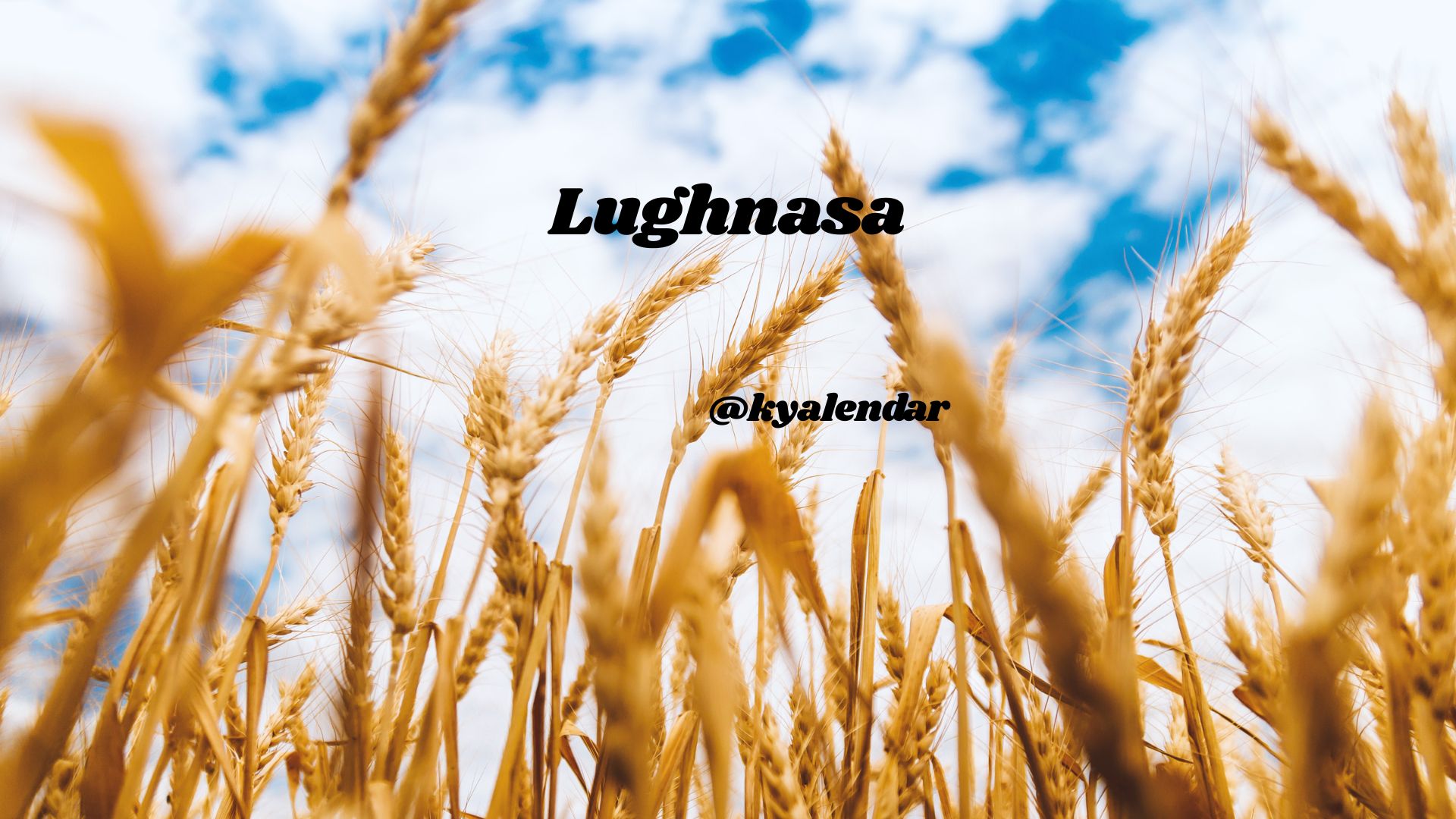
Lughnasa, also known as Lúnasa, is an ancient Celtic festival that marks the beginning of the harvest season. Traditionally celebrated at the start of August, it is a time that honours the changing of the seasons, the ripening of crops, and the deep connection between people and the land. Lughnasa represents gratitude, renewal, and the hope for a successful harvest, making it one of the most important seasonal festivals in the Celtic calendar.
The festival is named after the god Lugh, a central figure in Celtic mythology associated with skill, craftsmanship, and leadership. Lughnasa was originally held in his honour and was linked to themes of strength, community, and prosperity. Over time, the celebration became closely tied to agricultural life, reflecting the moment when the first fruits of the year were ready to be gathered and shared.
At the heart of Lughnasa is the celebration of abundance. Communities would come together to give thanks for the land’s gifts and to recognise the hard work that went into growing crops. Early harvest foods, especially grains and fruits, played an important role in the festivities. Bread made from new grain symbolised nourishment and continuity, while shared meals strengthened social bonds and reinforced the spirit of cooperation.
Lughnasa was also a social occasion filled with music, dance, storytelling, and friendly competitions. Traditional gatherings often took place on hilltops or open fields, bringing people together in joyful celebration. These events allowed communities to reconnect, form new friendships, and celebrate shared heritage. The festival was not only about food and farming, but also about human connection and cultural expression.
Another key aspect of Lughnasa is its connection to nature and seasonal change. It marks the shift from the bright growth of summer towards the slower, more reflective months of autumn. This transition invites people to pause and reflect on the balance between effort and reward, growth and rest. Lughnasa encourages gratitude for what has been achieved and awareness of what still lies ahead in the agricultural cycle.
In modern times, Lughnasa continues to be celebrated by those who honour Celtic traditions and seasonal festivals. While the ways of celebrating may vary, the core themes remain the same. Many people mark the occasion by spending time outdoors, preparing seasonal foods, practising traditional crafts, or holding small gatherings to reflect on the meaning of the harvest. Contemporary celebrations often focus on sustainability, local produce, and respect for the environment, bringing ancient values into a modern context.
Lughnasa also carries symbolic meaning beyond agriculture. It represents personal growth and the results of hard work in everyday life. Just as farmers harvest crops, individuals can reflect on their own achievements, goals, and progress. The festival encourages people to recognise their efforts, celebrate success, and prepare for the next stage of their journey.
Ultimately, Lughnasa is a celebration of gratitude, community, and the rhythms of nature. It reminds us of the close relationship between people and the land, and of the importance of acknowledging both effort and abundance. By honouring the start of the harvest season, Lughnasa continues to offer a meaningful moment of reflection, celebration, and connection with the natural world.