
- This event has passed.
Yomari Punhi
December 15, 2024
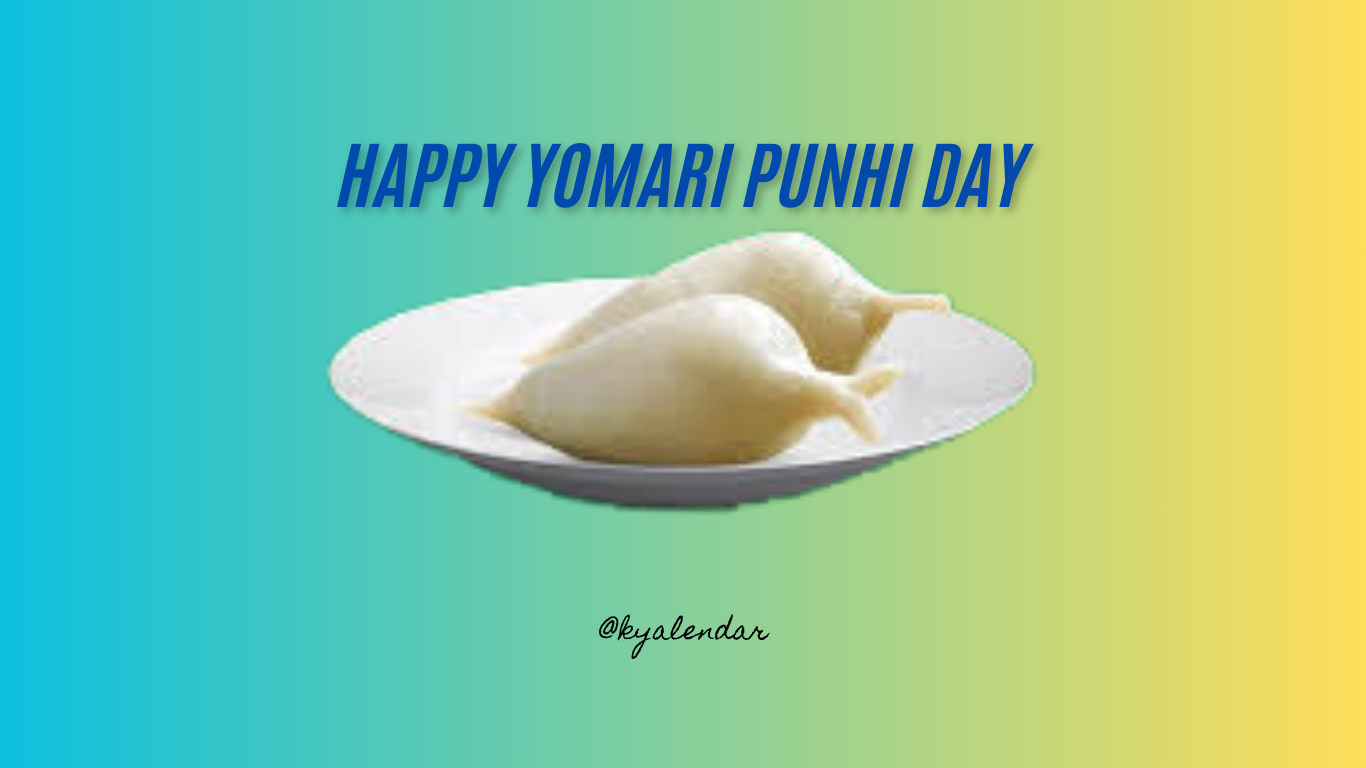
Yomari Punhi: A Celebration of Harvest and Sweetness in Nepal
Yomari Punhi is one of the most cherished festivals in the Kathmandu, Nepal, celebrated by the Newar community to mark the end of the rice harvest. It is a day of joy, gratitude, and cultural richness, centred around the delicious Yomari, a unique dumpling filled with sweet goodness. Observed on the full moon day of the month of Thinla, according to the Nepal Sambat calendar, this festival reflects the deep-rooted traditions and culinary artistry of the Newar people.
The Meaning of Yomari Punhi
The name “Yomari Punhi” has a significant meaning. “Yomari” refers to a traditional Newar delicacy—a steamed dumpling made of rice flour dough filled with a sweet mixture, often molasses and sesame seeds. “Punhi” translates to “full moon” in Newar language. Together, the name signifies a full moon day dedicated to celebrating Yomari and the harvest season.
This festival embodies gratitude for a bountiful harvest while also symbolising prosperity and well-being. It is believed that eating Yomari on this day brings good health and fortune.
Preparing the Yomari
The heart of Yomari Punhi lies in the preparation of the Yomari itself. The dumplings are crafted from freshly ground rice flour, shaped into a distinctive fish or teardrop-like design. The filling is traditionally made from a blend of jaggery (molasses) and roasted sesame seeds, giving it a rich, sweet flavour. Some variations may include a filling of chaku (a hardened molasses-like syrup) or khuwa (sweetened milk solids).
The preparation of Yomari is a communal activity, bringing families together to mould the dumplings and steam them to perfection. Each Yomari is delicately shaped, reflecting the skill and care passed down through generations.
Cultural and Religious Significance
Yomari Punhi is not just a celebration of food but also a deeply spiritual occasion. The festival is associated with the worship of Annapurna, the goddess of grains and nourishment. Families make offerings of Yomari and other foods to the goddess as a gesture of gratitude for a successful harvest.
In some Newar households, Yomari is also offered to household deities, particularly the goddess Lakshmi, seeking blessings for prosperity. Children often visit neighbours, singing traditional songs in exchange for Yomari, adding a playful and communal touch to the festival.
The festival also honours the legendary Newar merchant couple, Suchandra and Krita, who are believed to have introduced Yomari in the Kathmandu Valley. It is said that the goddess Annapurna blessed them with prosperity for sharing this delicacy with their community.
The Festive Atmosphere
On Yomari Punhi, the Newar community comes alive with vibrant celebrations. The streets of the Kathmandu Valley, particularly in cities like Bhaktapur, Patan, and Kathmandu, are filled with the aroma of freshly steamed Yomari. Temples and homes are beautifully decorated, and people gather to share stories, food, and laughter.
In addition to preparing Yomari, families engage in rituals and feasts. The full moon night adds to the festive mood, illuminating the valley with its soft glow. This is also a time for children to participate in cultural activities, strengthening their bond with their heritage.
Yomari Punhi and the Winter Solstice
Interestingly, Yomari Punhi often coincides with the winter solstice, the longest night of the year. This alignment gives the festival an additional layer of meaning, symbolising the transition to longer days and the hope of a brighter future. The warm, sweet Yomari is believed to provide nourishment and energy during the cold winter months, making it a practical as well as symbolic food.
Modern Celebrations
While Yomari Punhi remains a traditional Newar festival, its charm has transcended community boundaries. People from different backgrounds and regions in Nepal have come to appreciate the cultural and culinary significance of Yomari Punhi. In recent years, Yomari-making workshops and events have been organised, allowing more people to experience this delightful tradition.
Modern adaptations of Yomari have also emerged, with creative fillings like chocolate, peanuts, or fruits. However, the traditional jaggery and sesame seed filling remains a favourite, preserving the essence of the festival.
A Festival of Unity and Gratitude
Yomari Punhi is more than just a celebration of food; it is a day to express gratitude, strengthen family bonds, and honour cultural heritage. It reminds us of the importance of community, generosity, and the simple joys of life.
As families gather to prepare Yomari under the full moon, they not only celebrate the harvest but also pass on the values of sharing, gratitude, and togetherness to the next generation. The soft glow of the moonlight, the laughter of children, and the sweet aroma of Yomari create an atmosphere of warmth and joy that lingers in the hearts of all who celebrate this beautiful festival.
In the fast-changing modern world, festivals like Yomari Punhi serve as a gentle reminder of our roots and the traditions that have shaped us. It is a celebration of life’s abundance, wrapped in the simple yet profound gesture of sharing a sweet dumpling.
This year, as the full moon graces the winter sky, the Newar community will once again come together to honour their heritage, giving thanks for the harvest and indulging in the delightful sweetness of Yomari.