
- This event has passed.
World Sickle Cell Day
June 19, 2025
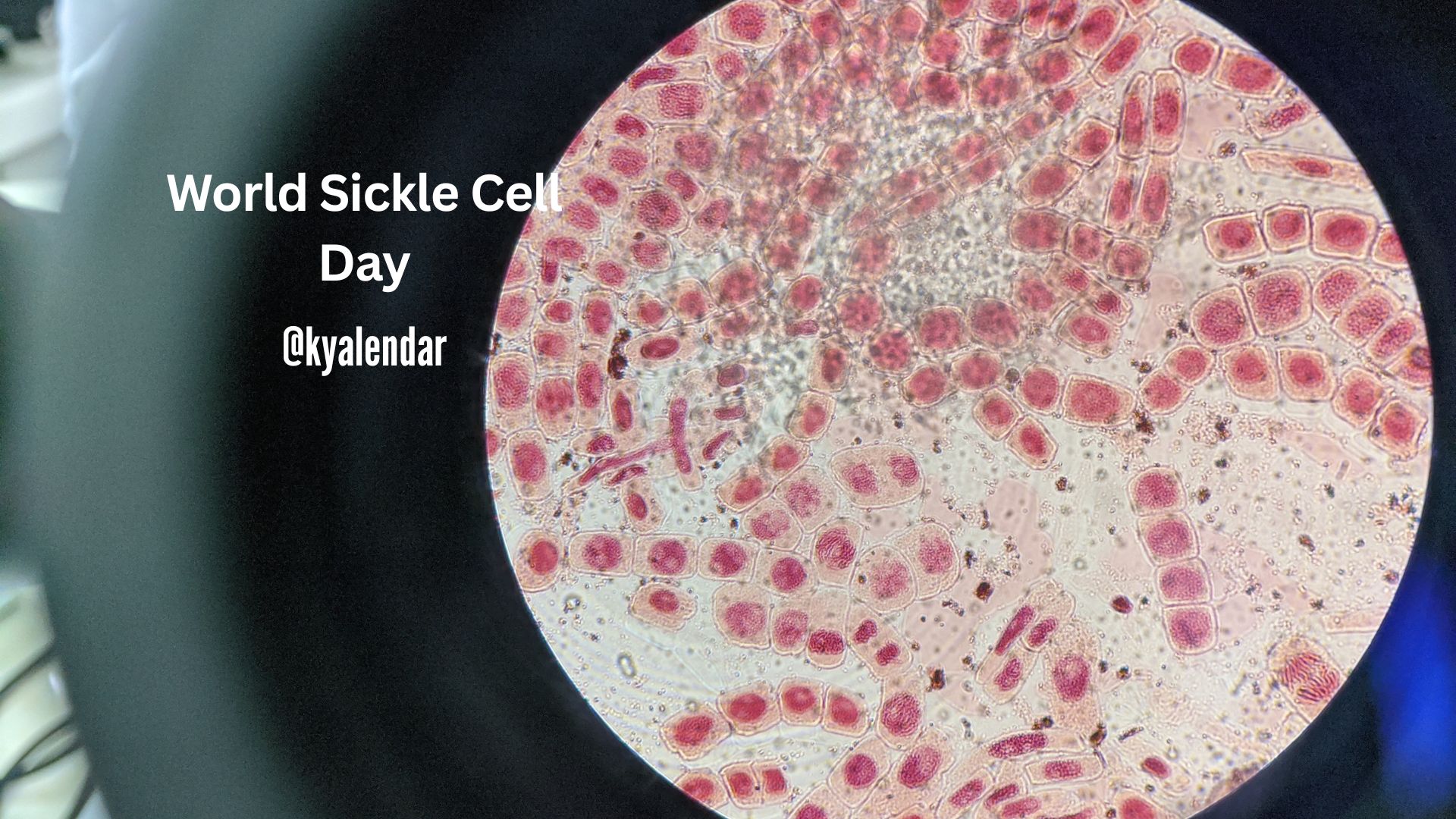
World Sickle Cell Day is commemorated each year on 19th June to raise awareness about sickle cell disease (SCD), a genetic disorder that primarily affects red blood cells. This day serves as a crucial platform for educating the public about the challenges faced by individuals living with SCD and advocating for improved healthcare, research, and support.
What is Sickle Cell Disease?
Sickle cell disease is caused by a mutation in the gene that encodes for haemoglobin, the protein responsible for carrying oxygen in the blood. In people with SCD, the body produces an abnormal form of haemoglobin known as haemoglobin S. This abnormal haemoglobin causes red blood cells to take on a rigid, sickle-like shape, leading to various complications.
The sickle-shaped cells can become stuck in small blood vessels, blocking blood flow and resulting in pain, known as a sickle cell crisis. These crises can be severe and debilitating, causing not only physical discomfort but also emotional distress. There are several types of sickle cell disease, with the most common being sickle cell anaemia, which occurs when a person inherits two sickle cell genes (one from each parent). Others include sickle cell trait, where an individual inherits one sickle cell gene and one normal gene, and other forms such as HbSC disease and sickle beta-thalassaemia.
The Importance of World Sickle Cell Day
World Sickle Cell Day was established by the United Nations in 2008 as a means to highlight the struggles faced by those with sickle cell disease and to promote better understanding and support. The day aims to achieve several objectives:
- Raise Awareness: Many people are unaware of sickle cell disease and its impact on individuals and families. By spreading knowledge about the disease, we can foster empathy and understanding, which is vital for improving the quality of life for those affected.
- Promote Education: Education plays a key role in managing sickle cell disease. Informing individuals about the condition, its symptoms, and treatment options can empower them to take charge of their health and make informed decisions.
- Advocate for Research and Funding: Increased awareness can lead to more research into treatments, management strategies, and potential cures for sickle cell disease. Advocacy for funding is essential for ongoing studies that aim to improve healthcare options and outcomes for patients.
- Support Individuals and Families: By highlighting the challenges faced by individuals with sickle cell disease, the day encourages communities to come together and support those affected. Building a sense of community can significantly enhance the emotional and mental well-being of patients and their families.
Activities and Observances
World Sickle Cell Day is observed globally through various activities designed to educate and engage the public. These events often include:
- Health Workshops: Many organisations conduct workshops that provide vital information about managing sickle cell disease, including pain management techniques, nutrition, and the importance of hydration.
- Public Awareness Campaigns: Utilising social media platforms and community events, campaigns are launched to inform the public about sickle cell disease, its impact, and the importance of early diagnosis.
- Fundraising Initiatives: Charitable events such as marathons, auctions, and community fairs help raise funds for sickle cell research and support services, making a significant difference in the lives of those affected by the disease.
- Policy Advocacy: Engaging with policymakers to promote better healthcare access and comprehensive sickle cell programmes is vital. Advocates push for policies that ensure those living with sickle cell disease receive appropriate and timely medical care.
Challenges Faced by Those with Sickle Cell Disease
Despite advancements in medical care, individuals with sickle cell disease encounter numerous challenges:
- Pain Crises: One of the most distressing aspects of sickle cell disease is the occurrence of pain crises, which can vary in frequency and severity. These episodes may require hospitalisation and can significantly disrupt daily life.
- Frequent Infections: Sickle cell disease can impair the spleen, making individuals more susceptible to infections. Preventative measures, such as vaccinations and prophylactic antibiotics, are essential for those with the disease.
- Emotional and Mental Health Issues: The chronic pain and uncertainties associated with sickle cell disease can lead to anxiety, depression, and other mental health issues. It is crucial to address these concerns through comprehensive care that includes mental health support.
- Access to Care: Many individuals with sickle cell disease face barriers to accessing healthcare services, particularly in low- and middle-income countries. Improved healthcare systems and community support are necessary to ensure that all patients receive adequate care.
Moving Forward
On World Sickle Cell Day, it is vital to reflect on the progress made in understanding and treating sickle cell disease while recognising the ongoing work required. Communities, healthcare providers, and governments must unite to improve the lives of those affected by this condition.
By fostering awareness and advocating for necessary changes, we can help eliminate the stigma surrounding sickle cell disease. This collective effort will ensure that individuals with SCD can lead fulfilling lives, with their condition managed effectively and supported by a compassionate community.
As we observe World Sickle Cell Day, let us pledge to continue our efforts in education, research, and advocacy. Through our shared commitment, we can make a meaningful difference in the lives of those impacted by sickle cell disease, fostering a future of hope and understanding.