
- This event has passed.
World Day to Combat Desertification and Drought
June 17, 2025
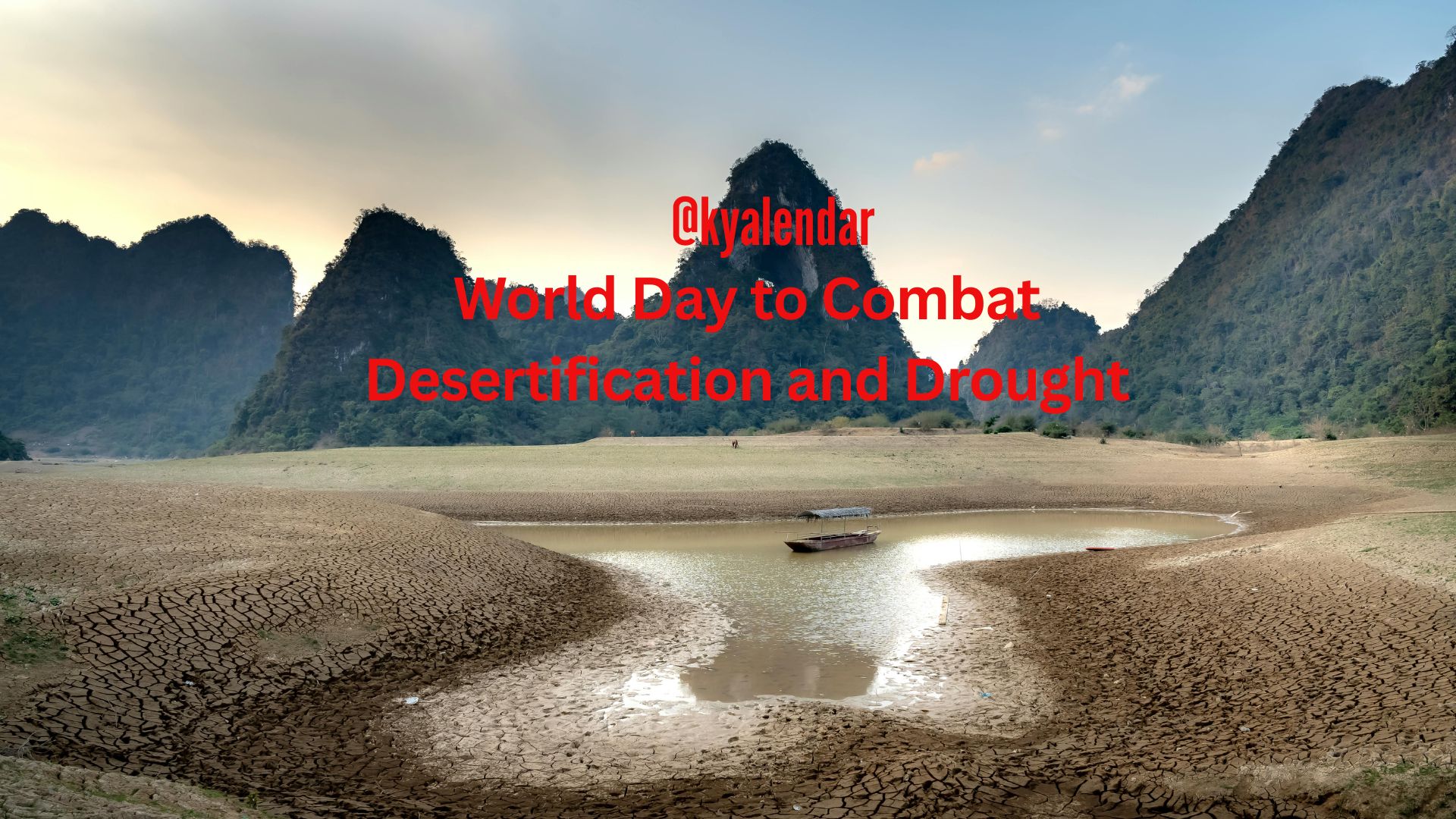
World Day to Combat Desertification and Drought is observed annually on 17th June, focusing on raising global awareness about the threats posed by desertification and drought. Established by the United Nations, this day underscores the urgent need for sustainable land management and the preservation of fertile soil, as land degradation and drought affect millions of people worldwide, particularly in drylands and arid regions.
What is Desertification?
Desertification refers to the process by which fertile land becomes desert-like, typically as a result of factors such as deforestation, overgrazing, poor agricultural practices, and climate change. It is not the natural expansion of deserts, but rather the degradation of once-productive land, making it unsuitable for crops, livestock, or even wildlife. Over time, this can lead to the collapse of ecosystems, making the land barren and contributing to hunger, poverty, and displacement.
The Significance of Drought
Drought is a prolonged period of abnormally low rainfall, leading to water shortages that severely impact agriculture, water supply, and the livelihood of communities. It can exacerbate desertification, as a lack of water weakens the land, making it more susceptible to erosion and degradation. Droughts have far-reaching consequences, from food insecurity to increased migration and even conflicts over natural resources.
The Global Challenge
Desertification and drought are issues that affect every continent except Antarctica. More than 2 billion people live in areas vulnerable to desertification, with land degradation impacting food production, economies, and the environment. Regions like Africa, Central Asia, and the Middle East are particularly affected, but these issues are also becoming more prevalent in parts of Europe and the Americas as climate change intensifies.
Land degradation not only reduces the ability to grow food, but it also diminishes biodiversity, disrupts water cycles, and increases carbon emissions. With more land becoming unsuitable for agriculture, rural populations are forced to migrate, creating social and economic challenges in other regions. Combatting desertification and drought is therefore not only a matter of environmental sustainability but also of social justice and economic stability.
The Goals of the Day
World Day to Combat Desertification and Drought aims to focus attention on the importance of reversing land degradation through sustainable practices. The day promotes:
- Raising Awareness: Highlighting the critical issue of desertification and drought on a global scale, educating the public about the causes and consequences of land degradation.
- Action and Commitment: Encouraging governments, communities, and individuals to take action, adopt sustainable land management practices, and invest in solutions that can reverse land degradation.
- International Cooperation: Fostering global partnerships to address desertification, especially in the most affected regions. It encourages collaboration between countries, organisations, and stakeholders to combat these environmental challenges.
- Innovation and Solutions: Promoting the use of technology, indigenous knowledge, and innovation to combat land degradation. Sustainable agricultural practices, reforestation efforts, and water management techniques are vital components of the solution.
The Role of Sustainable Land Management
At the heart of combatting desertification and drought is sustainable land management (SLM), which includes practices that prevent land degradation and restore degraded areas. SLM encompasses a range of strategies, including:
- Agroforestry: The integration of trees into agricultural systems to enhance soil health, increase water retention, and provide shade for crops.
- Conservation Agriculture: Techniques such as crop rotation, minimal tillage, and organic farming can reduce soil erosion and improve fertility.
- Water Harvesting: The collection and storage of rainwater, especially in drought-prone areas, can ensure a reliable water supply for agriculture and communities.
- Reforestation and Afforestation: Planting trees and restoring forests helps stabilise soil, prevent erosion, and restore ecosystems.
Addressing the Human Impact
While desertification and drought are environmental issues, their impact is deeply felt by human communities. Land degradation is a significant driver of poverty and inequality, as it strips rural populations of their primary means of livelihood—agriculture. Women and children are often disproportionately affected, as they rely heavily on natural resources for their sustenance.
On World Day to Combat Desertification and Drought, special attention is given to empowering vulnerable communities to adapt to and mitigate the effects of desertification. Programmes focused on education, capacity-building, and sustainable livelihoods are crucial for helping communities recover and thrive in the face of environmental challenges.
Global Initiatives and Partnerships
Several global initiatives and agreements are in place to combat desertification and drought:
- The United Nations Convention to Combat Desertification (UNCCD): The UNCCD is the key international framework that guides efforts to prevent and reverse desertification. It brings together countries to develop national action plans and promote sustainable land management.
- The Land Degradation Neutrality (LDN) Initiative: LDN aims to maintain or improve the amount of healthy and productive land. It encourages countries to set voluntary targets to reduce land degradation through sustainable practices.
- The Sustainable Development Goals (SDGs): Goal 15, which focuses on “Life on Land”, includes targets related to halting desertification, restoring degraded land, and promoting sustainable land use.
Individual Action and Involvement
While governments and organisations play a significant role in addressing desertification and drought, individual actions can also make a difference. On World Day to Combat Desertification and Drought, people are encouraged to:
- Support Reforestation Projects: Participate in or donate to tree-planting initiatives that help restore degraded land and combat climate change.
- Adopt Sustainable Practices: Practice water conservation, use eco-friendly products, and reduce waste to lessen your environmental footprint.
- Raise Awareness: Educate others about the importance of sustainable land management and the need to address desertification and drought. Social media campaigns and community events can help spread the message.
Conclusion
World Day to Combat Desertification and Drought serves as a reminder that the health of our land is directly tied to the well-being of our planet and its people. With the global population continuing to grow, the need for sustainable land management has never been greater. By working together, adopting innovative solutions, and supporting global initiatives, we can combat desertification, protect our natural resources, and ensure a more sustainable future for generations to come.
Details
- Date: June 17, 2025