
- This event has passed.
World Brain Day
July 22, 2025
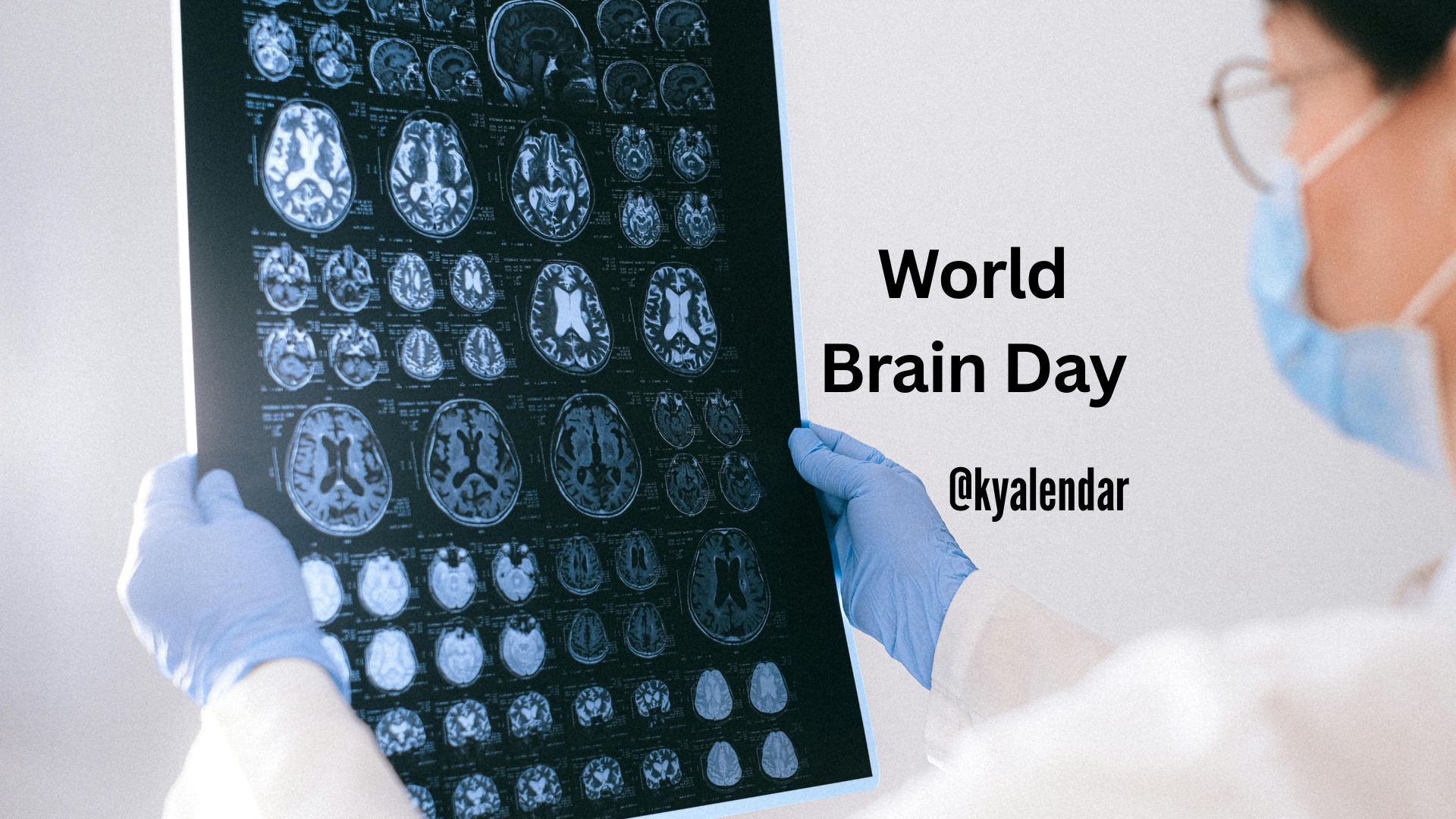
World Brain Day is an annual event observed on 22nd July, dedicated to raising awareness about brain health and promoting the importance of neurological care. This day is organised by the World Federation of Neurology (WFN), and each year focuses on a specific theme related to brain health, helping to highlight the challenges faced by millions of people worldwide who are living with neurological disorders.
The brain is the most complex organ in the human body, responsible for controlling every aspect of our lives – from movement and sensation to memory and emotions. It governs all bodily functions and enables us to think, learn, and communicate. Yet, despite its significance, brain health is often overlooked or misunderstood. World Brain Day aims to change this by encouraging people to prioritise their brain health and by advocating for greater awareness, research, and support for neurological conditions.
The Importance of Brain Health
Brain health is essential for overall well-being. A healthy brain allows us to lead active, productive lives, while poor brain health can lead to various problems, such as memory loss, cognitive decline, and physical disabilities. The brain, like any other organ, is susceptible to diseases, and these can have a profound impact on an individual’s quality of life.
There are many factors that contribute to brain health, including genetics, lifestyle choices, and environmental influences. Keeping the brain healthy involves engaging in regular physical exercise, maintaining a balanced diet, getting enough sleep, and managing stress effectively. It is also important to challenge the brain through activities like reading, puzzles, and learning new skills, which help keep cognitive functions sharp.
Neurological Disorders and Their Impact
Neurological disorders are conditions that affect the brain, spine, and nervous system. They include diseases such as Alzheimer’s, Parkinson’s, epilepsy, multiple sclerosis, and stroke, among many others. These conditions can lead to a range of symptoms, from memory problems and movement difficulties to chronic pain and emotional challenges.
Globally, millions of people suffer from neurological disorders, making them one of the leading causes of disability and death. The impact of these disorders is often not only physical but also emotional, social, and economic. Many individuals living with neurological conditions face stigma, lack of understanding, and limited access to proper care and treatment. This makes the mission of World Brain Day even more critical – to break down the barriers to proper neurological care and to advocate for better support for those affected.
Themes of World Brain Day
Each year, World Brain Day focuses on a specific theme that highlights an important aspect of neurological health. These themes are designed to bring attention to various brain-related issues, with the goal of fostering greater understanding and action.
In past years, themes have included topics such as epilepsy, migraine, and brain health for all ages. By concentrating on a different theme each year, World Brain Day helps to educate the public and medical professionals alike about the wide range of conditions that affect brain health. The chosen theme often involves collaboration with other global health organisations to ensure the message reaches as many people as possible.
Raising Awareness and Encouraging Action
One of the primary goals of World Brain Day is to raise awareness about neurological disorders and the importance of brain health. This is achieved through a variety of campaigns, educational initiatives, and events held around the world. These efforts aim to inform the public about the signs and symptoms of neurological conditions, the risk factors, and the steps that can be taken to maintain a healthy brain.
On World Brain Day, healthcare professionals, advocacy groups, and individuals are encouraged to participate in activities that promote brain health. These might include hosting talks or webinars, sharing educational materials on social media, or organising fundraising events to support research into neurological diseases.
In addition to raising awareness, World Brain Day also serves as a platform for advocating for better access to neurological care. Many people living with neurological conditions struggle to receive the treatment they need due to a lack of resources, healthcare infrastructure, or specialised medical professionals. By highlighting these issues, World Brain Day seeks to inspire governments, organisations, and individuals to take action and improve access to care for those affected by brain disorders.
How to Support Brain Health
Supporting brain health requires a multifaceted approach that includes both individual efforts and broader societal changes. On a personal level, there are many ways people can take care of their brains, from adopting healthy habits to seeking medical advice when needed.
- Stay Physically Active: Regular physical exercise has been shown to benefit brain health by improving blood flow, reducing the risk of neurological diseases, and promoting cognitive function. Activities like walking, swimming, and yoga can all contribute to a healthy brain.
- Eat a Balanced Diet: A diet rich in fruits, vegetables, whole grains, and healthy fats can help support brain function. Omega-3 fatty acids, found in fish like salmon, are particularly beneficial for brain health, while antioxidants in foods like berries can help protect the brain from damage.
- Get Enough Sleep: Adequate sleep is crucial for brain health. It allows the brain to rest, recover, and process information. Chronic sleep deprivation can impair cognitive function and increase the risk of neurological conditions.
- Manage Stress: Chronic stress can have a negative impact on brain health, leading to issues like anxiety, depression, and cognitive decline. Practising relaxation techniques such as meditation, deep breathing, and mindfulness can help manage stress levels and support brain health.
- Challenge Your Brain: Keeping the brain active through mental stimulation is important for maintaining cognitive function. Engaging in activities like puzzles, learning new languages, or playing musical instruments can help strengthen brain connections and improve memory.
Conclusion
World Brain Day is a vital initiative that shines a spotlight on the importance of brain health and the challenges posed by neurological disorders. By raising awareness, advocating for better care, and promoting healthy brain habits, this day serves as a reminder of the crucial role the brain plays in our lives. It encourages individuals and communities alike to prioritise brain health and to take action to support those living with neurological conditions.
Whether through education, advocacy, or personal health choices, we can all contribute to the mission of World Brain Day and help create a world where everyone has access to the care and knowledge needed to maintain a healthy brain.