
- This event has passed.
V.I. Emancipation Day
July 3, 2025
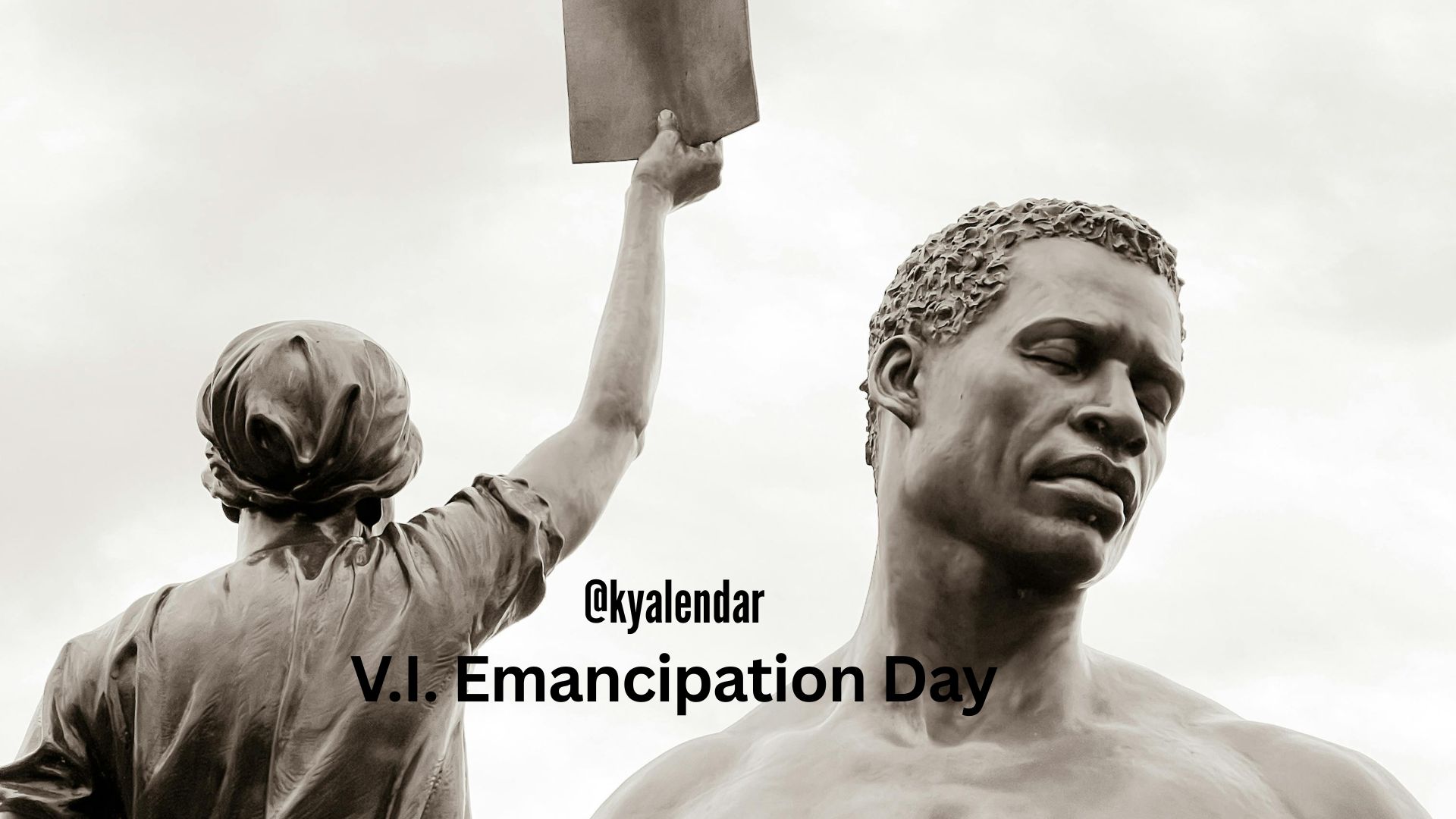
V.I. Emancipation Day, observed on July 3rd each year, is a significant public holiday in the United States Virgin Islands (USVI) that commemorates the emancipation of enslaved people in the territory. This day not only marks a pivotal moment in the history of the Virgin Islands but also serves as a celebration of freedom, resilience, and cultural heritage.
Historical Context
The history of slavery in the Virgin Islands began in the 17th century when the islands were colonised by European powers. The Danish West India Company established plantations, primarily sugarcane, which relied heavily on enslaved African labour. Over the years, thousands of Africans were forcibly brought to the islands and subjected to harsh conditions and brutal treatment.
The path to emancipation in the Virgin Islands was influenced by various factors, including the broader abolitionist movements across the Caribbean and the world. The momentum for change gained significant traction in the mid-19th century. In 1848, a group of enslaved people on the island of St. John revolted against their oppressors, demanding freedom and better conditions. This uprising led to significant changes in the Danish colonial administration and ultimately paved the way for emancipation.
On July 3, 1848, the Danish Governor Peter von Scholten officially declared the end of slavery in the Virgin Islands. This landmark event granted freedom to approximately 3,000 enslaved individuals, marking a transformative moment in the islands’ history. V.I. Emancipation Day serves as a reminder of this pivotal event and the struggles faced by those who fought for their freedom.
Celebrating V.I. Emancipation Day
V.I. Emancipation Day is celebrated with a range of activities and events that reflect the culture, history, and spirit of the Virgin Islands. The day is marked by a festive atmosphere as residents come together to honour their heritage. Here are some common ways in which this significant day is celebrated:
- Parades and Processions: One of the most notable aspects of V.I. Emancipation Day is the colourful parades that take place in various towns across the islands. Participants often dress in traditional attire, showcasing vibrant costumes that reflect the rich cultural heritage of the Virgin Islands. Music, dance, and lively performances are integral parts of the celebrations, creating an atmosphere of joy and unity.
- Cultural Events: Throughout the day, various cultural events and activities are organised to celebrate the history and traditions of the Virgin Islands. These may include performances of traditional music, dance, and storytelling that highlight the resilience and creativity of the local communities. Art exhibitions, craft fairs, and food festivals may also take place, allowing residents and visitors to immerse themselves in the culture of the islands.
- Historical Reenactments: Some celebrations include historical reenactments that depict key moments from the struggle for emancipation. These performances serve as a powerful reminder of the past, educating younger generations about the significance of the day and the sacrifices made by those who fought for freedom.
- Community Gatherings: V.I. Emancipation Day encourages community spirit and solidarity. Residents often gather in parks, community centres, and local venues to share meals, stories, and experiences. These gatherings foster a sense of belonging and create an opportunity for individuals to connect with their roots and each other.
- Reflection and Remembrance: While the day is celebrated with joy and festivity, it also serves as a time for reflection. Many people take a moment to remember the struggles endured by their ancestors and to honour those who fought for their freedom. This aspect of the observance emphasises the importance of acknowledging history and understanding its impact on contemporary society.
The Importance of V.I. Emancipation Day
V.I. Emancipation Day holds great significance for the people of the Virgin Islands. It is a day of pride and affirmation of cultural identity. The observance serves several important purposes:
- Celebration of Freedom: At its core, V.I. Emancipation Day is a celebration of freedom and liberation from the bonds of slavery. It allows individuals to reflect on the value of liberty and the importance of human rights.
- Cultural Preservation: The celebrations are an opportunity to preserve and promote the cultural heritage of the Virgin Islands. By participating in traditional practices, residents ensure that their history, language, and customs are passed down through generations.
- Community Unity: The day fosters a sense of unity among residents. Coming together to celebrate shared history and culture strengthens community ties and encourages collaboration for the betterment of the islands.
- Education and Awareness: V.I. Emancipation Day raises awareness about the history of slavery and its lasting impact. It serves as an educational opportunity for both residents and visitors, fostering a deeper understanding of the challenges faced by enslaved people and their descendants.
Conclusion
V.I. Emancipation Day is a deeply meaningful observance that commemorates the end of slavery in the Virgin Islands and celebrates the enduring spirit of freedom. By participating in festivities, engaging in cultural activities, and reflecting on the past, residents honour their heritage and the struggles faced by their ancestors.
This day not only highlights the significance of emancipation but also reinforces the importance of unity, community, and cultural pride. As the people of the Virgin Islands come together to celebrate their freedom, they continue to build a future that honours their past and embraces their identity.