
- This event has passed.
Special Recreation for the Disabled Day
July 2, 2025
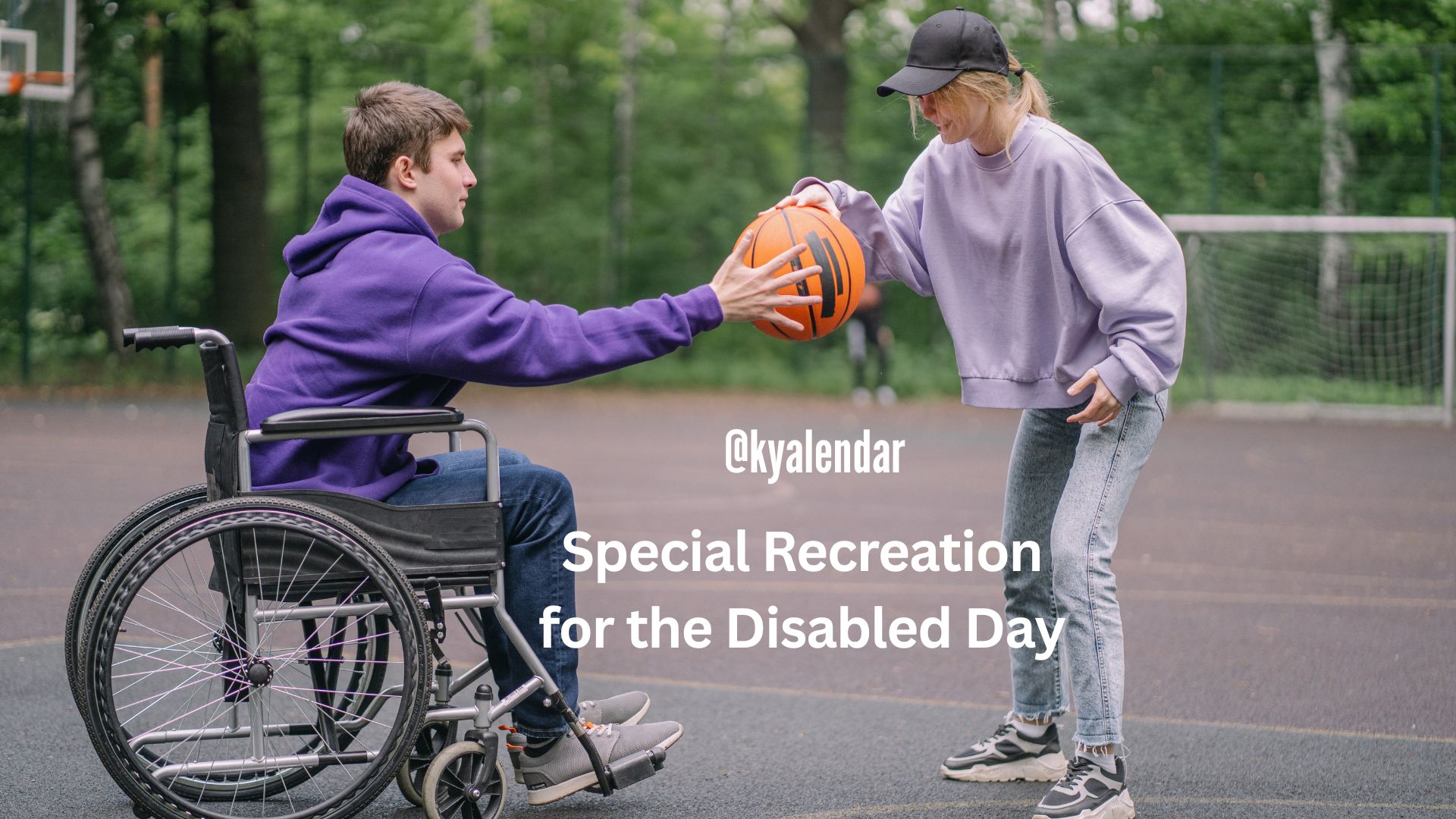
Special Recreation for the Disabled Day is a day dedicated to celebrating and promoting recreational opportunities for individuals with disabilities. It recognises the importance of inclusive activities that cater to the diverse needs of people living with disabilities, allowing them to engage fully in leisure, sports, and other recreational pursuits. The day serves as a reminder that everyone, regardless of ability, deserves access to meaningful, fun, and engaging recreational experiences.
The Importance of Special Recreation
Recreation plays a vital role in everyone’s life. It offers a break from routine, helps people unwind, and fosters physical and mental well-being. For individuals with disabilities, access to recreation is just as essential, but it can sometimes be limited due to a lack of accessible facilities or inclusive programmes. Special Recreation for the Disabled Day highlights the need to overcome these barriers and make sure that disabled individuals have the same opportunities for enjoyment and participation as everyone else.
Inclusive recreation isn’t just about providing access; it’s also about creating an environment where individuals with disabilities feel welcome, supported, and valued. Whether it’s through adaptive sports, art programmes, or social clubs, the day focuses on ensuring that activities are tailored to meet different abilities, giving everyone the chance to participate and thrive.
Benefits of Recreation for Individuals with Disabilities
Recreation offers a multitude of benefits to people with disabilities, enhancing both their physical and emotional well-being. Engaging in physical activities, such as adapted sports or swimming, helps improve strength, mobility, and coordination. For many, regular exercise is crucial for managing their condition or improving their overall health.
Beyond the physical benefits, recreation also contributes significantly to mental and emotional health. It provides a sense of accomplishment, boosts confidence, and fosters social connections. Participating in group activities or community events enables individuals with disabilities to develop friendships and form support networks, which can be invaluable in reducing feelings of isolation or loneliness.
Moreover, recreational programmes offer opportunities for individuals with disabilities to explore their creativity, challenge themselves, and discover new talents. From painting to drama, such activities provide outlets for self-expression and personal growth, helping individuals to build self-esteem and feel empowered.
Adaptive Sports and Recreation
One of the most prominent aspects of special recreation for the disabled is adaptive sports. These are sports that have been modified to meet the needs of individuals with disabilities, allowing them to participate fully and safely. Sports such as wheelchair basketball, sledge hockey, and para-swimming offer a chance for individuals to compete, exercise, and enjoy physical activity.
Adaptive sports can be life-changing, providing a sense of freedom and achievement for those who may have felt excluded from traditional sports due to their disabilities. Whether played recreationally or competitively, these sports create an inclusive environment where athletes of all abilities can shine. Organisations around the world have developed leagues, tournaments, and programmes dedicated to adaptive sports, offering disabled athletes the opportunity to excel and even compete at international levels, such as the Paralympic Games.
Aside from organised sports, recreational activities like hiking, cycling, or even dance can be adapted to accommodate varying abilities. Using specialised equipment or trained instructors, these activities ensure that disabled individuals can engage in a wide range of leisure pursuits.
Inclusive Recreational Facilities
One of the key focuses of Special Recreation for the Disabled Day is encouraging the development of inclusive recreational facilities. Public parks, leisure centres, swimming pools, and gyms should be accessible to people of all abilities. This includes physical access, such as ramps, accessible changing rooms, and specialised equipment, as well as offering programmes that are designed for varying levels of ability.
Creating truly inclusive recreational spaces requires careful planning and consideration. It’s not just about physical accessibility but also about providing an atmosphere that welcomes and supports individuals with disabilities. Staff training is essential, ensuring that employees understand the unique needs of disabled individuals and can offer the necessary support or guidance.
Some cities and communities have made significant strides in this area, developing recreation centres and parks that are fully accessible, with adaptive equipment and programmes specifically designed for people with disabilities. However, there’s still work to be done, and Special Recreation for the Disabled Day serves as a call to action for communities to continue improving access to recreation for everyone.
The Role of Communities and Organisations
Communities play an essential role in making recreation accessible for disabled individuals. Local governments, charities, and organisations often collaborate to develop programmes and services that cater to the needs of people with disabilities. These initiatives may include anything from adaptive sports leagues to arts and crafts workshops designed for various abilities.
Organisations dedicated to supporting individuals with disabilities are often at the forefront of creating inclusive recreational opportunities. These groups advocate for better access, develop programmes, and work with communities to ensure that disabled individuals are not left behind. Volunteers, too, play a critical part in running these activities, offering their time and expertise to support and engage with participants.
Special Recreation for the Disabled Day is an opportunity to celebrate the efforts of these organisations and the positive impact they have on the lives of disabled individuals. It also encourages communities to look at how they can continue to support and expand recreational opportunities, ensuring everyone has the chance to enjoy an active, fulfilling life.
Overcoming Barriers to Recreation
Despite the progress made, there are still many barriers that individuals with disabilities face when it comes to accessing recreation. Physical barriers, such as inaccessible buildings or a lack of adaptive equipment, can prevent participation. Social barriers, including misconceptions or a lack of awareness about the needs of disabled individuals, can also limit opportunities.
Special Recreation for the Disabled Day is a reminder that these barriers need to be addressed, and more can be done to ensure equal access to recreation for all. Advocating for inclusive design in public spaces, offering funding for adaptive equipment, and educating the public about the importance of inclusive recreation are just a few ways that these barriers can be overcome.
Additionally, it’s important to recognise the diversity within the disabled community. Not all disabilities are visible, and individuals with mental health conditions, learning disabilities, or sensory impairments also face unique challenges in accessing recreation. Programmes should take into account this broad spectrum of needs, ensuring that recreation truly caters to everyone.
Conclusion
Special Recreation for the Disabled Day is a celebration of inclusion, highlighting the importance of providing recreational opportunities for individuals of all abilities. It’s a day to recognise the many benefits that recreation offers to people with disabilities, from physical health improvements to increased social interaction and emotional well-being. The day also serves as a reminder that there is still work to be done in creating fully inclusive recreational spaces and programmes.
Ultimately, Special Recreation for the Disabled Day encourages us to think about how we can make the world a more inclusive place. Whether through supporting local organisations, advocating for better access, or simply becoming more aware of the challenges faced by disabled individuals, this day calls for action. It reminds us that recreation should be something everyone can enjoy, no matter their abilities.