
- This event has passed.
Real Food Day
June 19, 2025
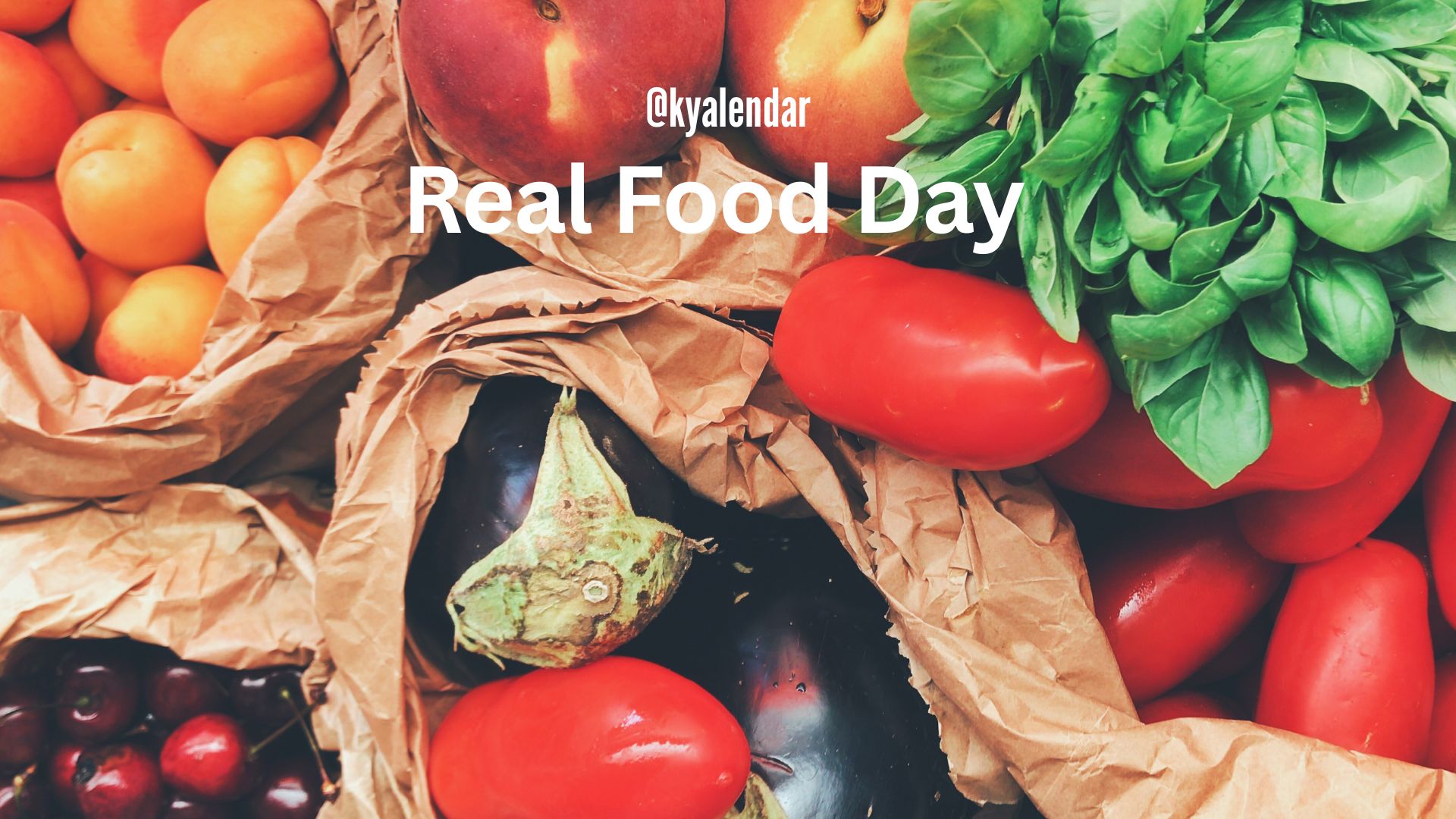
Real Food Day is a celebration that focuses on promoting the consumption of wholesome, unprocessed, and natural foods, encouraging people to rethink their eating habits and make more conscious choices. It emphasises the importance of fresh, locally sourced, and sustainably produced ingredients that are free from artificial additives and excessive processing. The day serves as a reminder of the benefits of eating real food, not only for our health but also for the environment and local economies.
The Meaning of Real Food
Real food is generally understood to be food that is as close to its natural state as possible. This includes fruits, vegetables, whole grains, nuts, seeds, and ethically sourced meat and dairy products. What distinguishes real food from other food products is that it hasn’t been heavily processed, refined, or treated with artificial preservatives, flavourings, or chemicals. It’s food that our grandparents would recognise, free from the added sugars, artificial colours, and unhealthy fats often found in processed foods.
Eating real food means choosing ingredients that have been grown or raised with care, using sustainable farming methods that protect the environment. It’s about returning to a way of eating that prioritises nutrition, flavour, and quality over convenience and mass production.
Why Real Food Matters
In recent years, there has been growing concern over the health impacts of processed foods, which are often loaded with unhealthy fats, sugars, and salt. These foods are designed to be convenient and long-lasting but often come at the cost of essential nutrients. The rise in lifestyle-related diseases, such as obesity, diabetes, and heart disease, has been linked to diets high in processed foods.
Real food, on the other hand, is rich in vitamins, minerals, fibre, and antioxidants. These nutrients support overall health, help prevent chronic diseases, and keep the body functioning properly. By choosing real food, people can improve their physical well-being, boost their energy levels, and enjoy meals that are both nutritious and satisfying.
Moreover, real food has environmental benefits. Industrial farming practices, which are often used to produce processed foods, can contribute to soil degradation, water pollution, and greenhouse gas emissions. By opting for locally grown, organic, and sustainably farmed products, consumers help reduce the environmental impact of their food choices. Supporting local farmers and food producers also strengthens the local economy, creating a more sustainable and community-based food system.
The Rise of Real Food Movements
Real Food Day is part of a broader movement that advocates for a return to traditional eating habits. Around the world, various campaigns and organisations have emerged to promote the benefits of eating real food. These movements aim to raise awareness about the nutritional value of whole foods and encourage consumers to take a more active role in understanding where their food comes from and how it’s produced.
Farmers’ markets, community-supported agriculture (CSA) programmes, and local food cooperatives have become increasingly popular as more people seek out fresh, seasonal, and locally grown ingredients. These outlets provide direct access to real food, allowing consumers to build relationships with local farmers and food producers.
In addition, many restaurants and chefs are embracing the farm-to-table philosophy, creating dishes that highlight fresh, unprocessed ingredients sourced from local farms. This trend has helped reshape the way people think about food, shifting the focus from convenience and cost to quality, sustainability, and taste.
How to Celebrate Real Food Day
Celebrating Real Food Day is all about making conscious decisions to eat more wholesome and nutritious foods. There are many ways to get involved and participate in this celebration:
- Cook from Scratch: One of the best ways to celebrate Real Food Day is to prepare meals from scratch using whole, unprocessed ingredients. Whether it’s a simple salad, a hearty stew, or homemade bread, cooking with real food allows you to take control of what goes into your body. It’s also a great opportunity to experiment with new recipes and flavours.
- Visit a Farmers’ Market: Supporting local farmers by purchasing fresh produce from a farmers’ market is a fantastic way to celebrate Real Food Day. It’s an opportunity to buy seasonal fruits and vegetables, as well as locally sourced meat, eggs, and dairy products. By shopping at farmers’ markets, you can directly contribute to sustainable farming practices and reduce your carbon footprint.
- Grow Your Own Food: For those with a green thumb, growing your own food is a rewarding way to embrace the principles of Real Food Day. Whether you have a large garden or a small balcony, you can plant herbs, vegetables, or even fruit trees. Homegrown produce not only tastes better but also reduces your reliance on store-bought food that may be heavily processed or imported from far away.
- Reduce Processed Foods: Make a conscious effort to cut down on processed foods in your diet. This can include anything from pre-packaged snacks to frozen ready meals. Instead, focus on whole foods like fresh vegetables, fruits, and whole grains. Gradually replacing processed foods with real, natural ingredients can have a profound impact on your health.
- Educate Others: Real Food Day is a perfect time to spread the word about the benefits of eating real food. Share recipes, tips, and information with family and friends, or get involved in community initiatives that promote healthy eating. Education is key to helping others understand the importance of choosing real food for their health and the planet.
- Support Ethical Food Producers: When shopping, look for products that are certified organic, fair trade, or sustainably sourced. Supporting businesses that prioritise ethical practices ensures that your food choices align with the values of Real Food Day.
The Impact of Real Food Day
Real Food Day serves as a reminder that our food choices matter—not just for our health but also for the environment and future generations. It encourages people to think critically about the food they consume and to seek out healthier, more sustainable alternatives. By making small changes, such as buying locally sourced produce or cooking from scratch, we can make a big difference in our overall well-being and the health of the planet.
It’s also a day to celebrate the joys of real food. The vibrant colours, rich flavours, and diverse textures of fresh, natural ingredients can transform any meal into a sensory experience. Real Food Day highlights the beauty of simplicity in cooking and the pleasure that comes from eating food that’s good for both body and soul.
Conclusion
Real Food Day is more than just a celebration; it’s a call to action. It’s a chance for people to reconnect with the food they eat and to make choices that benefit their health, their communities, and the environment. By embracing the principles of real food—wholesome, unprocessed, and sustainably sourced—we can create a healthier, more sustainable future. Whether it’s cooking from scratch, shopping locally, or growing your own produce, Real Food Day inspires us all to take a fresh approach to eating and to appreciate the true value of what’s on our plates.