
- This event has passed.
National Workaholics Day
July 5, 2025
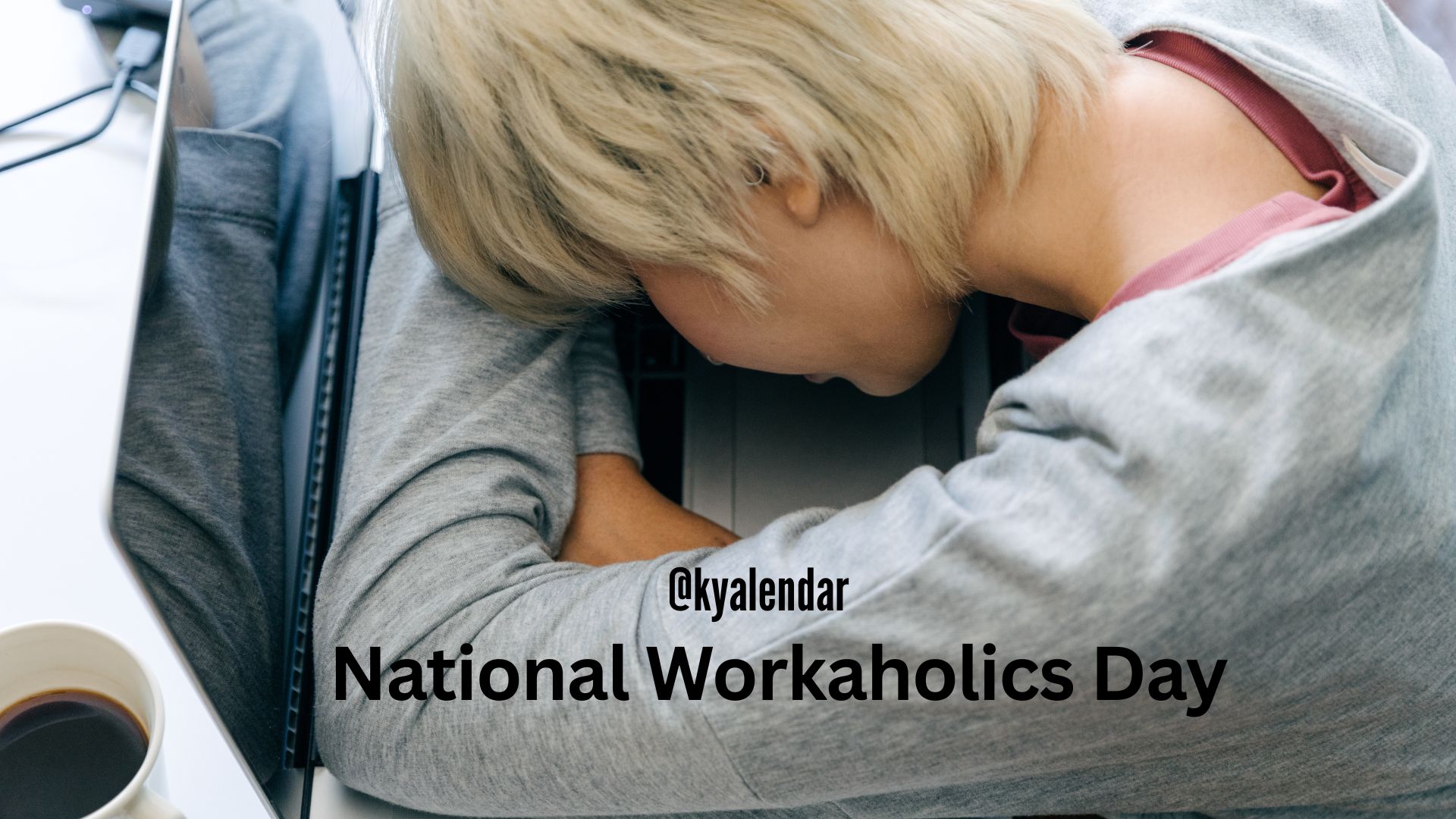
National Workaholics Day is a day dedicated to recognising and addressing the challenges faced by individuals who work excessively, often at the expense of their personal lives, health, and well-being. Observed annually on 5th July, this day serves as a reminder to find balance between work and life, encouraging workaholics to pause, reflect, and reassess their priorities.
Who is a Workaholic?
A workaholic is someone who compulsively works long hours, often driven by the need to be productive or to achieve success. While hard work is often valued in modern society, being a workaholic goes beyond simply putting in extra hours. It refers to an unhealthy relationship with work, where a person may feel an overwhelming sense of guilt or anxiety when not working and may neglect other important aspects of life such as family, hobbies, and self-care.
Workaholism can be compared to addiction. Like other forms of addiction, it can lead to both physical and mental health issues, including stress, burnout, anxiety, and even depression. The constant pressure to meet deadlines, achieve perfection, or maintain control can take a heavy toll on the workaholic’s life, often without them realising it.
The Importance of National Workaholics Day
National Workaholics Day is an opportunity to raise awareness about the negative effects of overworking. While being dedicated to one’s job is often praised, the dangers of over-commitment are often overlooked. This day serves as a gentle reminder for those who tend to overwork to take a step back, recharge, and assess whether they are maintaining a healthy work-life balance.
It also encourages employers to recognise the importance of employee well-being. Businesses that foster a culture of overworking may unintentionally contribute to burnout and poor mental health among their staff. National Workaholics Day prompts managers and leaders to evaluate workplace practices, promoting healthier work environments that allow employees to thrive without sacrificing their personal lives.
Why Do People Become Workaholics?
There are several reasons why someone might become a workaholic. Some of these reasons may be rooted in external pressures, while others are more psychological.
- Societal Expectations: In many cultures, working hard is seen as a sign of success and worth. People who are driven to achieve or who want to climb the career ladder quickly may feel that they need to put in excessive hours to get ahead. The rise of ‘hustle culture’, which glorifies constant productivity, has also contributed to the notion that working long hours is a badge of honour.
- Fear of Failure: Some people become workaholics because they are afraid of failing. They may believe that if they don’t put in the extra hours, they won’t perform well or achieve their goals. This fear can lead them to constantly push themselves beyond their limits.
- Sense of Identity: For others, their job is closely tied to their sense of identity and self-worth. They may feel that their value as a person is directly linked to how successful they are in their career, which drives them to work excessively to maintain a sense of purpose.
- Escaping Personal Issues: Some individuals may turn to work as a way to escape personal problems or emotional difficulties. By focusing on work, they can avoid dealing with issues such as relationship conflicts, anxiety, or loneliness.
The Impact of Workaholism
While workaholism may seem productive in the short term, it can have serious long-term consequences. The physical and mental toll of constantly working without taking breaks or prioritising self-care can lead to burnout, exhaustion, and a decline in overall well-being.
- Burnout: One of the most common effects of workaholism is burnout. This state of emotional, mental, and physical exhaustion occurs when a person has been overworked for too long without proper rest. Burnout can lead to a decrease in job performance, irritability, feelings of hopelessness, and even the desire to quit.
- Strained Relationships: Workaholics often sacrifice time with loved ones to prioritise work. This can strain relationships with family and friends, leading to feelings of isolation and loneliness. Over time, this neglect can damage personal connections, making it difficult for workaholics to maintain a healthy support system.
- Health Issues: The physical effects of overworking can be severe. Lack of sleep, poor diet, and high levels of stress can lead to a range of health issues, including heart problems, weakened immune systems, and chronic fatigue. Workaholics may also be more prone to mental health issues such as anxiety and depression.
- Loss of Work-Life Balance: A key issue for workaholics is the inability to maintain a healthy balance between work and personal life. By constantly focusing on work, they may miss out on opportunities to relax, pursue hobbies, or spend quality time with loved ones, leading to a sense of dissatisfaction and unfulfillment outside of the office.
How to Celebrate National Workaholics Day
National Workaholics Day is a time to reflect on your relationship with work and take steps to create a healthier balance. Whether you’re a workaholic yourself or simply want to support those who may be overworking, here are a few ways to mark the day:
- Take a Break: If you find yourself constantly working, use National Workaholics Day as an excuse to take a well-deserved break. Step away from your computer, go for a walk, or spend time with family and friends. Taking a break can help to recharge your energy and give you a fresh perspective on your work.
- Set Boundaries: Workaholics often struggle with setting boundaries between work and personal life. On this day, try setting clear limits on your working hours. Avoid checking emails outside of office hours and make a conscious effort to stop working at a set time each day.
- Focus on Self-Care: Use the day to focus on self-care and relaxation. Whether it’s reading a book, exercising, or simply having a quiet moment to yourself, prioritising your well-being is essential to maintaining a healthy work-life balance.
- Evaluate Your Work Habits: Take time to evaluate your work habits and identify areas where you can improve. Are you working late into the night? Do you find it difficult to say ‘no’ to extra tasks? By understanding your habits, you can make changes to reduce overworking and create a more balanced lifestyle.
- Encourage a Healthier Workplace: If you’re an employer or manager, consider how your workplace fosters work-life balance. Encourage your employees to take regular breaks, offer flexible working hours, and promote a healthy work culture that values mental and physical well-being.
Conclusion
National Workaholics Day serves as an important reminder that while dedication to work is commendable, it should not come at the expense of personal well-being and happiness. The day encourages both individuals and employers to take a step back, reflect on their working habits, and make positive changes that promote balance and fulfilment in both professional and personal life.
By recognising the signs of workaholism and taking proactive steps to address them, individuals can avoid burnout and improve their overall quality of life. National Workaholics Day is a call to all of us to value rest, relaxation, and the joys of life outside of work, ensuring that we can thrive in all areas of our lives.