
- This event has passed.
National Whistleblower Day
July 30, 2025
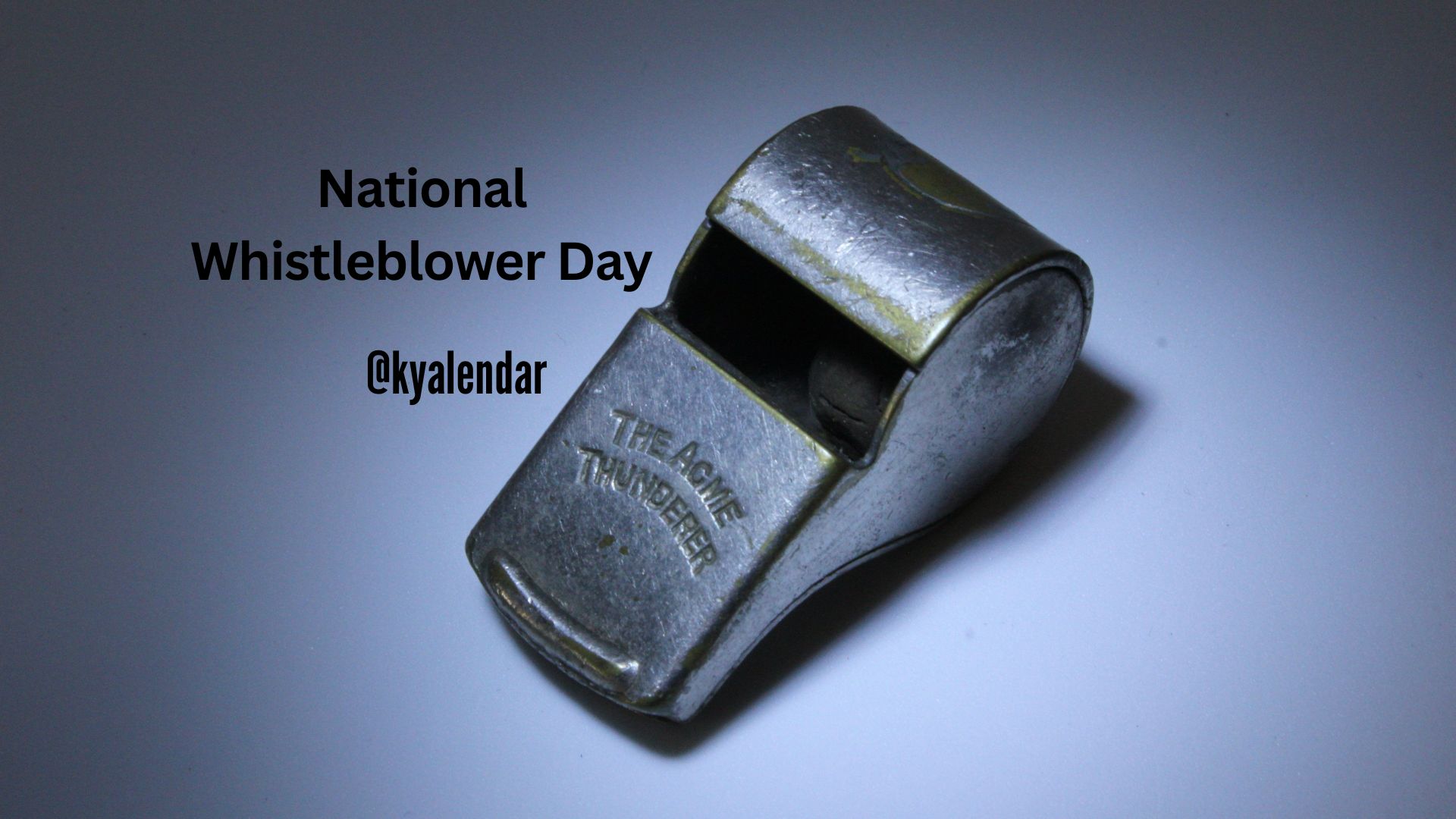
National Whistleblower Day, observed annually on July 30, serves as a platform to honour and recognise the critical role that whistleblowers play in society. This day highlights the importance of integrity and accountability in both the public and private sectors while advocating for the protection of individuals who expose wrongdoing, fraud, or illegal activities within their organisations.
The Significance of Whistleblowers
Whistleblowers are individuals who choose to speak out against unethical or illegal practices they encounter in their workplaces. Their actions can lead to significant changes, improved safety standards, and greater transparency. Without the courage of whistleblowers, many cases of corruption, fraud, and abuse may never come to light.
By bringing attention to misconduct, whistleblowers not only protect the public interest but also contribute to the overall integrity of various institutions. They play a vital role in ensuring that organisations adhere to ethical standards and comply with laws and regulations. National Whistleblower Day serves to acknowledge their bravery and the sacrifices they often make in the name of accountability.
The History of National Whistleblower Day
National Whistleblower Day traces its origins back to July 30, 1778, when a significant event in American history took place. On this day, the United States Congress established the first whistleblower protection legislation. The act aimed to protect the rights of individuals who reported misconduct within the military, thereby setting a precedent for future laws safeguarding whistleblowers across various sectors.
In 1989, the Whistleblower Protection Act was enacted, providing federal employees with the legal protections necessary to report misconduct without fear of retaliation. This law laid the groundwork for subsequent protections in both public and private sectors, emphasising the importance of creating safe channels for reporting wrongdoing.
Why Celebrate National Whistleblower Day?
National Whistleblower Day serves several important purposes:
- Awareness: The day raises awareness about the issues faced by whistleblowers, including the potential for retaliation and the stigma associated with speaking out. By shedding light on these challenges, society can better understand the need for strong protective measures.
- Education: It provides an opportunity to educate the public about the rights of whistleblowers, the processes for reporting misconduct, and the protections available to them. Understanding these aspects is crucial for empowering individuals to come forward when they witness wrongdoing.
- Encouragement: Celebrating National Whistleblower Day encourages individuals to act with integrity and speak out against unethical practices. It fosters a culture of accountability, inspiring others to follow suit.
- Support for Reform: The day also serves as a platform for advocating for stronger protections for whistleblowers. By highlighting the importance of their role in promoting transparency, it encourages lawmakers and organisations to create and enforce policies that protect these individuals from retaliation.
How to Observe National Whistleblower Day
There are several meaningful ways to observe National Whistleblower Day, whether you are an individual, a community leader, or part of an organisation:
- Educate Yourself and Others: Take time to learn about whistleblower laws, protections, and rights. Share this knowledge with friends, family, and colleagues to raise awareness about the importance of whistleblowing.
- Support Whistleblower Organisations: Consider donating to or volunteering with organisations that advocate for whistleblower rights and protections. These organisations often provide resources, legal assistance, and support for whistleblowers.
- Share Stories: Use social media platforms or community forums to share stories of courageous whistleblowers who have made a difference. Highlighting these narratives can inspire others to act with integrity.
- Engage in Discussions: Organise or participate in discussions, webinars, or panels focused on the challenges and protections for whistleblowers. Engaging in dialogue helps create a supportive environment for those who may be considering coming forward.
- Advocate for Policy Changes: If you’re passionate about whistleblower protections, advocate for stronger policies within your organisation or community. Encourage local representatives to support legislation that safeguards the rights of whistleblowers.
The Challenges Whistleblowers Face
Despite their significant contributions, whistleblowers often face numerous challenges:
- Retaliation: Many whistleblowers experience retaliation from their employers, including job loss, harassment, or professional ostracism. This can create a chilling effect, discouraging others from speaking out.
- Legal Hurdles: Navigating the legal landscape can be daunting for whistleblowers. They may require legal assistance to understand their rights and the protections available to them.
- Emotional Toll: The decision to blow the whistle can be emotionally taxing. Whistleblowers often face stress, anxiety, and isolation as they confront the repercussions of their actions.
Conclusion
National Whistleblower Day is an essential observance that highlights the courage and integrity of those who choose to speak out against wrongdoing. By honouring whistleblowers and advocating for their rights, society can promote a culture of transparency and accountability.
As we observe this day, let us reflect on the importance of protecting those who stand up for what is right. By supporting whistleblowers and advocating for their protection, we can create a safer and more ethical environment for everyone. National Whistleblower Day serves as a reminder that the fight against corruption and injustice is a collective responsibility, one that requires courage and integrity from all of us.