
- This event has passed.
National Typewriter Day
June 23, 2025
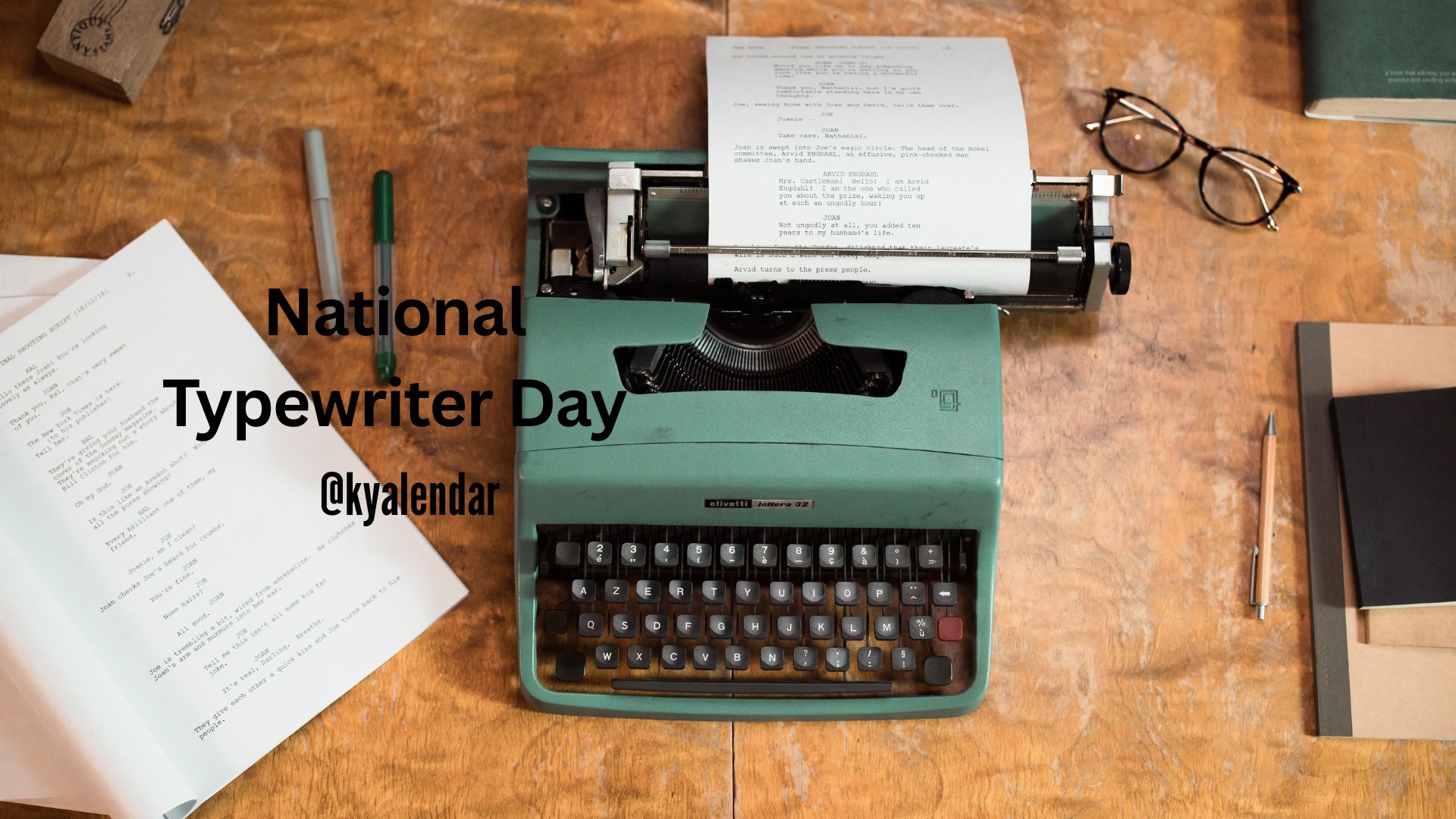
National Typewriter Day, observed annually on June 23rd, is a day dedicated to celebrating the typewriter’s unique contribution to the world of writing and communication. This day pays homage to an invention that revolutionised the way we write, making it faster, more efficient, and more accessible for countless individuals throughout history. As we explore the significance of National Typewriter Day, we reflect on the impact of this iconic device and its enduring legacy in the digital age.
The History of the Typewriter
The typewriter’s journey began in the early 18th century, with various inventors experimenting with mechanical writing devices. However, it was not until the late 19th century that the typewriter became a commercially viable product. Christopher Latham Sholes, an American inventor, is credited with creating the first successful typewriter in 1868. Sholes’ invention, known as the Sholes and Glidden typewriter, was the first to use the QWERTY keyboard layout, which remains the standard layout today.
The typewriter gained popularity rapidly, particularly among writers, journalists, and businesses. It offered a more efficient way to produce written documents compared to handwriting, allowing for clearer text and the ability to create multiple copies using carbon paper. The typewriter also paved the way for the professionalisation of writing, leading to the emergence of typing pools in offices, where typists would produce documents for executives and managers.
The Typewriter’s Cultural Impact
The typewriter has had a profound influence on literature and culture. Many renowned authors, including Ernest Hemingway, Mark Twain, and Virginia Woolf, used typewriters as their primary writing tools. The rhythmic sound of keys striking paper has become synonymous with the creative process for many writers. The typewriter allowed for a more streamlined approach to writing, encouraging authors to focus on their craft without the distractions that often accompany handwritten work.
Beyond literature, the typewriter has played a crucial role in journalism, enabling reporters to produce articles quickly and efficiently. The invention of the typewriter coincided with the rise of newspapers and magazines, forever changing the landscape of media and communication. It facilitated the rapid dissemination of information, contributing to the informed citizenry we value today.
The Decline and Revival of the Typewriter
As technology evolved, the typewriter faced significant competition from the invention of the computer and word processing software. By the late 20th century, typewriters had largely fallen out of favour in professional and personal settings. However, the typewriter has not been completely forgotten. In recent years, there has been a resurgence of interest in vintage typewriters, with many people seeking out these machines for their nostalgic charm and tactile writing experience.
Typewriter enthusiasts and collectors have formed communities to celebrate and preserve this iconic device. Vintage typewriter shops, repair services, and online forums have sprung up, allowing enthusiasts to share their passion for these machines. Many people appreciate the simplicity and craftsmanship of typewriters, finding joy in the act of physically typing words onto paper.
Celebrating National Typewriter Day
National Typewriter Day provides an excellent opportunity for enthusiasts and casual users alike to celebrate this timeless writing tool. Here are some ways to observe the day:
- Host a Typewriter Gathering: Gather fellow typewriter enthusiasts for a get-together where you can share stories, tips, and experiences. You can even have a typewriting contest or collaborate on a typewritten poem or story.
- Try Your Hand at Typing: Dust off your old typewriter or visit a local vintage shop to try one out. Experience the joy of typing on a machine that has been a staple of writing for over a century.
- Visit a Museum or Exhibition: Look for local museums or exhibitions featuring typewriters and their history. These events can provide insight into the evolution of writing technology and the impact of the typewriter on society.
- Share on Social Media: Use social media platforms to share your love for typewriters. Post pictures of your collection, favourite typewriter quotes, or even short typewritten messages. Use hashtags like #NationalTypewriterDay to connect with others celebrating the day.
- Reflect on Writing: Take a moment to reflect on your own writing journey. Consider how the typewriter, or even the act of typing itself, has influenced your writing style and process. You might even be inspired to write a poem, short story, or letter using a typewriter.
The Typewriter in the Modern Age
In our fast-paced digital world, the typewriter may seem like a relic of the past, yet its influence persists. The tactile experience of typing on a typewriter encourages mindfulness and creativity, allowing writers to connect with their words in a way that screens sometimes hinder. The typewriter represents a tangible link to the past, a reminder of the dedication and effort that goes into the written word.
Moreover, typewriters have found their place in contemporary culture through art, literature, and even film. Artists have incorporated typewriters into their work, using them to create visual art or as part of installations. Writers and filmmakers have also embraced the aesthetic of typewriters, evoking nostalgia and authenticity in their storytelling.
Conclusion
National Typewriter Day serves as a reminder of the profound impact the typewriter has had on writing, culture, and communication. As we celebrate this iconic invention, we honour the writers, journalists, and innovators who have shaped our world through the written word. Whether you are a seasoned typewriter enthusiast or someone curious about this fascinating machine, take the time to appreciate the art of typing and the legacy of the typewriter on June 23rd and beyond. Through this celebration, we ensure that the typewriter’s story continues to inspire future generations of writers.