
- This event has passed.
National Lighthouse Day
August 7, 2025
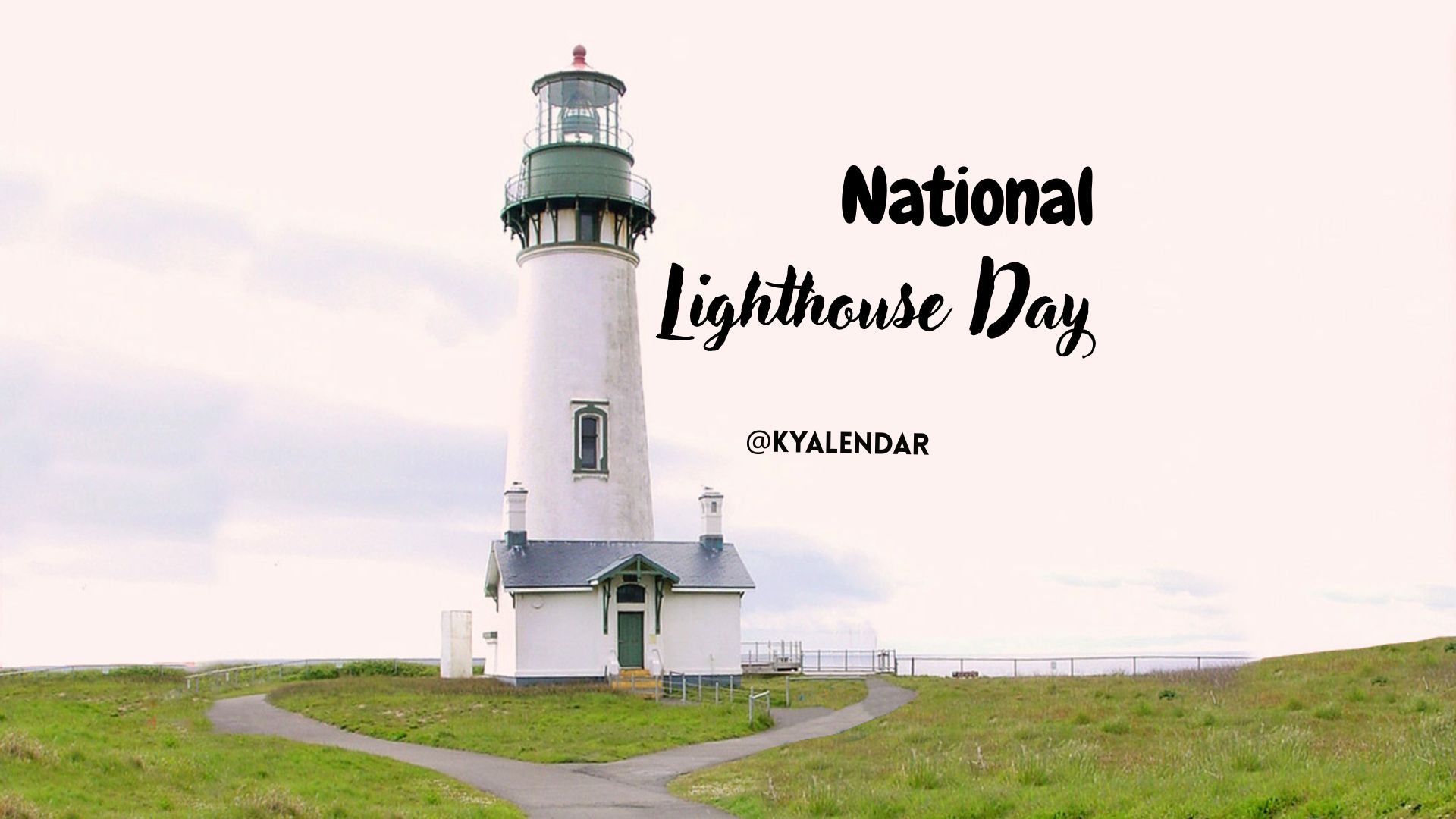
National Lighthouse Day is a day dedicated to celebrating the significance of lighthouses in maritime history, their architectural beauty, and their enduring symbolism of hope and safety. Observed annually on the 7th of August, this day serves as an opportunity to recognise the vital role that lighthouses have played for centuries, guiding sailors and ships safely to shore, while also reflecting on their cultural and historical importance.
The Historical Importance of Lighthouses
Lighthouses have been crucial for centuries, acting as beacons for ships navigating dangerous coastlines, rocky shores, and treacherous waters. Before modern navigation technology, lighthouses were a vital tool for ensuring the safety of maritime travel, helping to prevent shipwrecks and guiding vessels safely to ports. Their powerful lights, positioned on high towers, could be seen from miles away, warning mariners of land or underwater hazards.
The origin of lighthouses dates back to ancient times, with one of the earliest known examples being the famous Lighthouse of Alexandria, built in the 3rd century BCE. This towering structure was one of the Seven Wonders of the Ancient World and set the standard for many lighthouses that followed. Over the centuries, lighthouses became more sophisticated, with advances in optics, lenses, and light sources improving their effectiveness.
In the United Kingdom, lighthouses are deeply connected to maritime history, with many iconic structures dotting the coastline. The Eddystone Lighthouse, off the coast of Cornwall, and the Bell Rock Lighthouse in Scotland are prime examples of Britain’s lighthouse legacy, standing as remarkable feats of engineering in some of the most perilous maritime regions.
The Creation of National Lighthouse Day
National Lighthouse Day was established in the United States in 1989 to commemorate the 200th anniversary of the signing of the Lighthouse Act, passed by the US Congress in 1789. Although it originated in America, the day has come to be recognised more widely, serving as a moment to appreciate the global history of lighthouses.
While it may have begun as a day rooted in American maritime history, the broader themes of lighthouse appreciation resonate worldwide. In the UK, National Lighthouse Day offers a chance to reflect on the importance of preserving these historical structures and their stories. Many lighthouses today are no longer in operation due to advancements in technology, but they still stand as reminders of a bygone era when human ingenuity and endurance made maritime travel safer.
The Symbolism of Lighthouses
Lighthouses have always held deep symbolic meaning beyond their practical function. They represent safety, hope, and resilience, standing as solitary sentinels amidst storms and rough seas. For sailors and seafarers, the sight of a lighthouse often meant the end of a perilous journey and the promise of safety. Even today, they serve as metaphors for guidance and light in times of darkness, both literally and figuratively.
In literature, art, and film, lighthouses are frequently used as symbols of solitude, strength, and unwavering endurance. Their steadfast nature, often enduring harsh weather conditions, resonates as a powerful image of resilience and protection. As we celebrate National Lighthouse Day, we are reminded of this symbolism and the ways in which lighthouses continue to inspire us.
Visiting and Preserving Lighthouses
On National Lighthouse Day, many people take the opportunity to visit their local lighthouses. These visits not only offer stunning views of the coast but also allow for a deeper understanding of the history and significance of these towering structures. Many lighthouses now serve as museums, where visitors can learn about the history of maritime navigation, the life of lighthouse keepers, and the technological innovations that have shaped the lighthouse’s role over time.
Preserving lighthouses is an important aspect of National Lighthouse Day. Many of these structures are now automated or have been decommissioned, but their historical and cultural value remains. Organisations dedicated to preserving maritime heritage often focus on maintaining lighthouses, ensuring that they are not lost to the ravages of time and weather. Volunteers, historians, and enthusiasts work tirelessly to keep these buildings in good condition, sharing their stories with future generations.
Lighthouse Keepers: Unsung Heroes
While the focus of National Lighthouse Day is often on the physical structures themselves, it’s important to remember the lighthouse keepers who maintained these beacons of safety for many years. These individuals lived solitary lives in remote locations, often enduring harsh weather conditions and isolation to ensure that the lighthouse remained operational.
Lighthouse keepers were responsible for maintaining the light, ensuring that it was visible to passing ships. This could be an arduous task, requiring constant attention and long hours of work. Before the advent of modern technology and automation, the role of the lighthouse keeper was essential, and their commitment helped save countless lives.
Today, as many lighthouses are automated, the profession of lighthouse keeping has become largely obsolete. However, the stories of these keepers remain a significant part of maritime history, and National Lighthouse Day offers a chance to honour their contributions.
The Role of Lighthouses Today
While technology has evolved, with satellite navigation and GPS systems taking over much of the role once played by lighthouses, these structures are still relevant today. Many continue to function as navigational aids, particularly in areas where GPS signals may be weak or unreliable. Their presence provides an additional layer of safety for vessels, especially in remote or challenging locations.
In addition, lighthouses serve as important landmarks for coastal communities. They are often associated with local heritage and are featured prominently in tourism, offering visitors a glimpse into the past while enjoying the beauty of coastal landscapes.
Conclusion
National Lighthouse Day is a celebration of both the historical importance and the enduring symbolism of lighthouses. It is a day to reflect on the critical role these beacons of light have played in guiding ships and saving lives, as well as a reminder of their cultural significance as symbols of hope, safety, and endurance.
Whether visiting a lighthouse, learning about their history, or simply appreciating their architectural beauty, National Lighthouse Day is an opportunity to connect with a rich maritime heritage. As we move further into a world driven by technology, the iconic presence of lighthouses remains a timeless reminder of the human spirit’s resilience and the importance of guiding lights in both practical and metaphorical senses.