
- This event has passed.
National Handloom Day
August 7, 2025
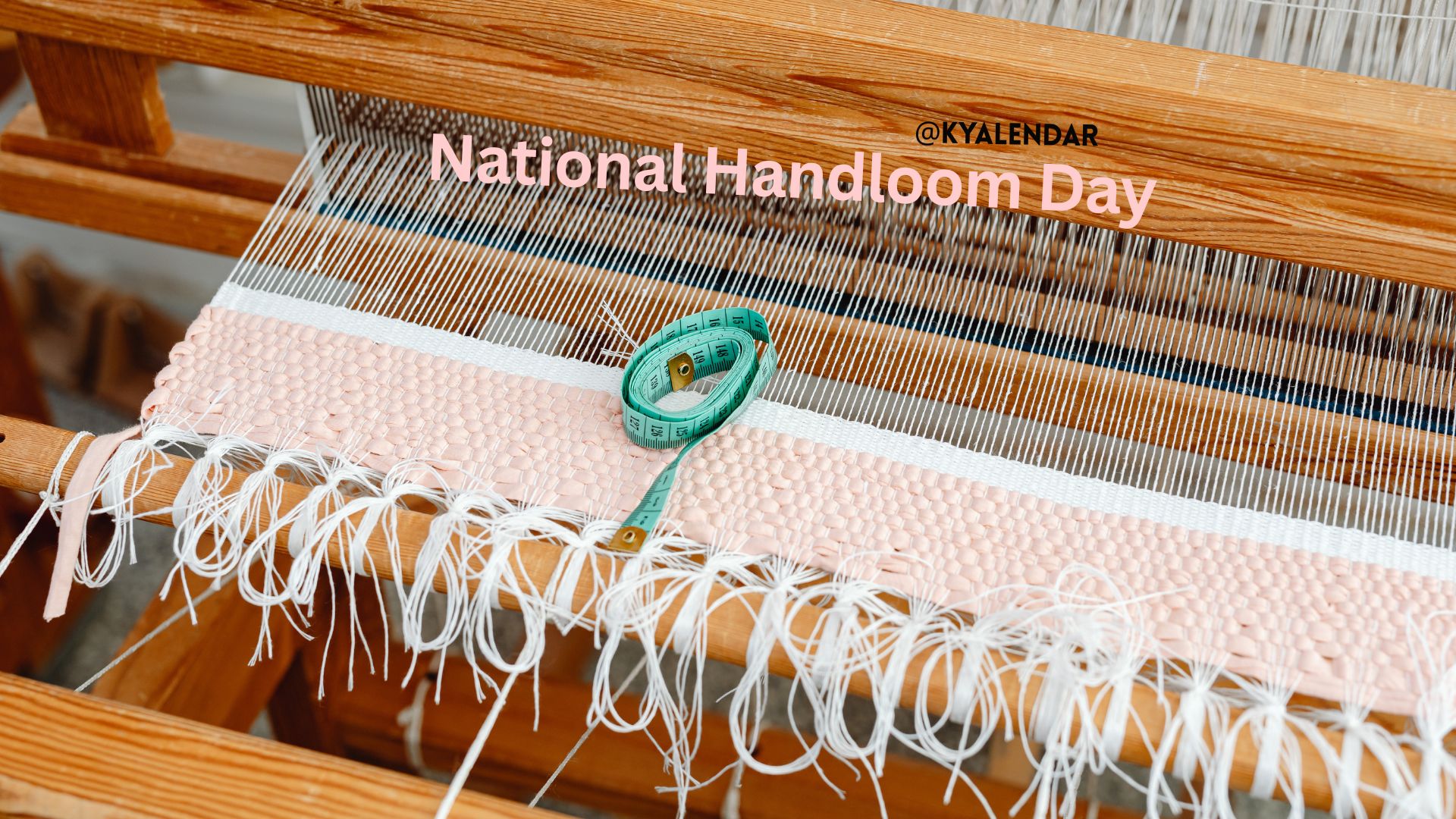
National Handloom Day is an annual celebration in India, observed on the 7th of August, to honour the rich and vibrant tradition of handloom weaving. This day highlights the cultural significance of handloom products and acknowledges the contribution of weavers to the country’s heritage and economy. It serves as a reminder of the importance of preserving and promoting one of India’s most traditional and sustainable forms of craftsmanship.
The History Behind National Handloom Day
National Handloom Day was first celebrated in 2015, marking the centenary of the Swadeshi Movement, which began in 1905. The movement was a crucial part of India’s freedom struggle, encouraging the boycott of foreign goods and the revival of indigenous industries, including handloom weaving. The aim was to foster self-reliance by promoting local products, which not only boosted the economy but also strengthened the national identity.
The handloom sector, being a major part of India’s cultural and historical fabric, played an essential role in this movement. By choosing to wear khadi and other handloom textiles, people could express their resistance to colonial rule. In this context, National Handloom Day pays tribute to both the artisans who create these beautiful products and the larger historical and cultural significance of the craft.
The Significance of Handloom Weaving
Handloom weaving is one of the oldest industries in India, with roots going back thousands of years. The intricate process of hand-weaving involves the use of wooden looms operated manually by skilled artisans. Each piece of handloom fabric is unique, reflecting the creativity, precision, and cultural heritage of the weaver. The craft varies from region to region, with each area of India known for its distinctive techniques, patterns, and designs.
Some of the most famous handloom products include Banarasi silk, Kanchipuram sarees, Pochampally ikat, and the timeless khadi. These textiles are not only a symbol of India’s artistic traditions but also represent sustainability and eco-friendliness, as the production process relies on minimal energy use and supports local economies.
The Role of Weavers in Society
Weavers are the backbone of the handloom industry, and National Handloom Day is an opportunity to recognise their skill, dedication, and contribution to India’s culture and economy. Despite the growing influence of mechanised textile production, handloom weaving remains a vital source of employment, particularly in rural areas. Millions of people across India rely on the handloom sector for their livelihood, and the craft provides opportunities for self-employment, especially for women.
Weaving is often a family tradition, with knowledge and skills passed down through generations. Each weaver brings their own flair and artistry to the craft, and many handloom products are still made using techniques that have been perfected over centuries. However, the handloom industry faces challenges, such as competition from mass-produced fabrics and the declining number of skilled artisans. National Handloom Day aims to raise awareness about these issues and encourages people to support the weavers by choosing handloom products.
Preserving Cultural Heritage
India’s handloom tradition is a living reflection of its diverse cultural heritage. Each region has its own signature styles, techniques, and designs that have been preserved through generations. From the intricate silk sarees of the south to the bold, geometric patterns of the northeast, handloom textiles are a testament to the country’s rich artistic legacy.
National Handloom Day helps to spotlight the importance of preserving these traditional crafts, which are in danger of being lost due to the rise of industrial textile production and changing consumer preferences. By celebrating handloom, the day encourages a deeper appreciation for the artistry and craftsmanship involved in creating these textiles, as well as the stories and history they represent.
Sustainable Fashion and Handloom
In today’s world, where sustainability is becoming increasingly important, handloom products offer a valuable alternative to fast fashion. The handloom sector uses natural fibres such as cotton, silk, and wool, and the production process is largely eco-friendly. By choosing handloom, consumers can reduce their carbon footprint while supporting local artisans and preserving traditional skills.
Handloom products are also known for their durability and timeless appeal. A well-made handloom saree or shawl can last for years, if not decades, and the intricate designs never go out of style. This stands in stark contrast to the disposable nature of fast fashion, where clothes are often discarded after a few wears. National Handloom Day promotes the idea of slow fashion, encouraging people to invest in quality, handmade textiles that support sustainable practices.
Government Initiatives and Handloom Promotion
The Indian government has taken various steps to support the handloom industry, recognising its importance both culturally and economically. National Handloom Day is part of these efforts, aiming to raise awareness and boost the demand for handloom products. Various events, exhibitions, and campaigns are organised across the country on this day to showcase the craftsmanship of weavers and promote handloom as a viable and fashionable choice.
Government schemes such as the Handloom Mark, which certifies the authenticity of handloom products, help protect weavers from imitation goods and ensure that consumers are getting genuine, handmade textiles. Additionally, online platforms have played a significant role in connecting artisans directly with customers, enabling weavers to reach a broader market.
How to Celebrate National Handloom Day
There are many ways to participate in National Handloom Day, whether it’s by purchasing handloom products, attending exhibitions, or simply learning more about the craft. By supporting handloom weavers, you not only contribute to the preservation of a traditional art form but also promote sustainable fashion and local economies.
For many people, celebrating National Handloom Day involves wearing handloom garments, whether it’s a saree, kurta, or scarf. Others may choose to visit a handloom exhibition or workshop to see the weaving process firsthand and learn about the different types of fabrics and techniques used in handloom production.
The day also offers an opportunity to reflect on the importance of cultural heritage and the need to preserve it in a rapidly changing world. As consumers, we can make a difference by choosing to support artisans and invest in products that are made with care, tradition, and sustainability in mind.
Conclusion
National Handloom Day is more than just a celebration of a traditional craft; it is a recognition of the cultural, economic, and environmental significance of handloom weaving. By raising awareness and encouraging support for weavers, this day plays a crucial role in preserving India’s rich heritage of handloom textiles. As we celebrate this day, we are reminded of the importance of sustainability, the value of craftsmanship, and the enduring beauty of handmade products that carry the legacy of generations. Through the efforts of both the government and individuals, the future of handloom looks brighter, ensuring that this timeless craft continues to thrive in the modern world.