
- This event has passed.
National Hamburger Day
May 28, 2025
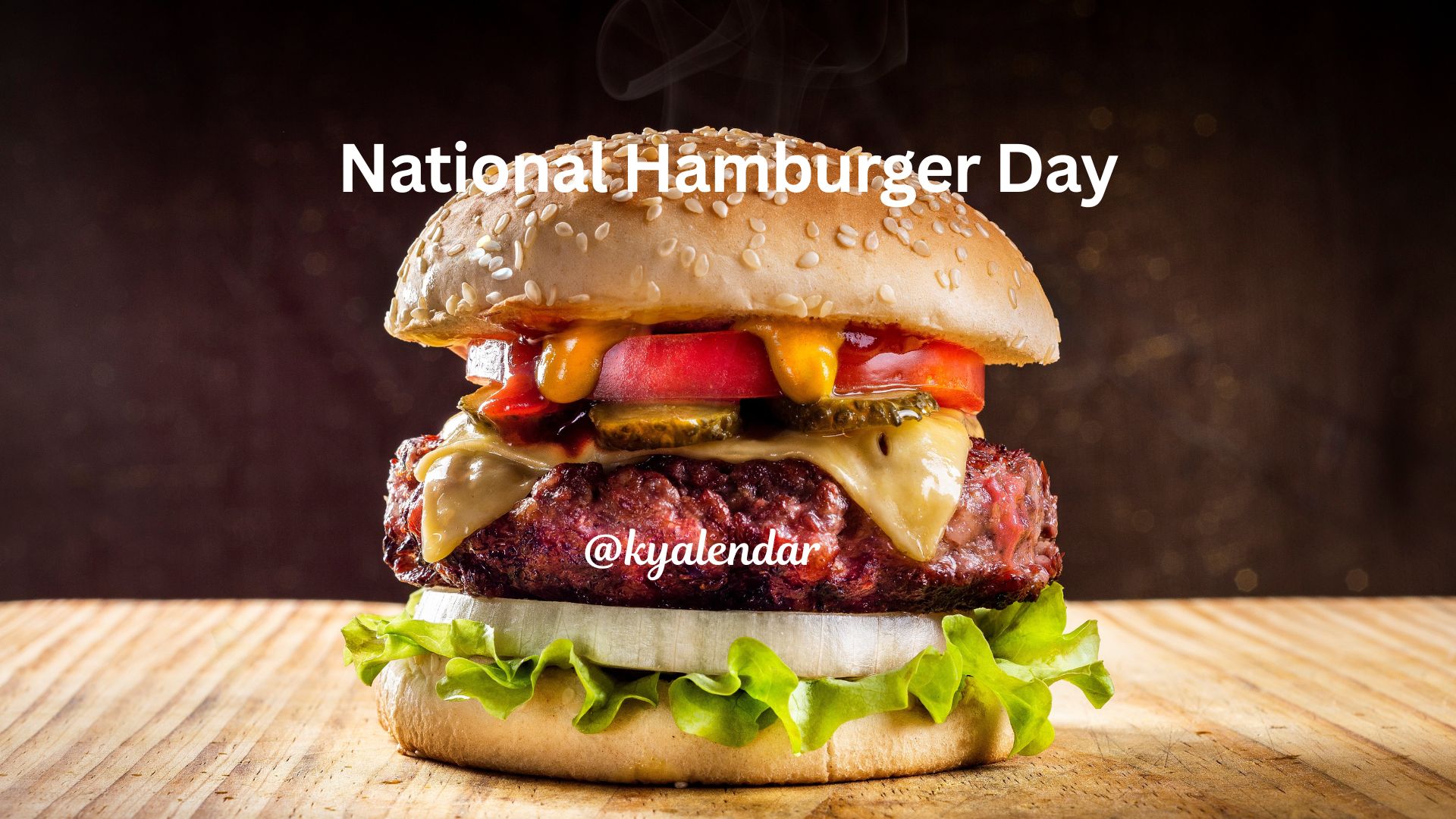
National Hamburger Day is a celebration dedicated to one of the most iconic and beloved foods in the world—the hamburger. Observed annually on May 28, it is a day where enthusiasts come together to enjoy and appreciate the simplicity and deliciousness of this versatile meal. Whether grilled at a backyard barbecue or savoured at a gourmet restaurant, the hamburger has become a symbol of comfort and indulgence, making this day a mouth-watering occasion.
The History of the Hamburger
The exact origins of the hamburger are somewhat debated, but its roots can be traced back to the late 19th and early 20th centuries. Many believe the concept was influenced by German immigrants who brought with them the idea of minced beef patties, which were often served in Hamburg. In America, these patties were eventually paired with bread, giving birth to the modern hamburger as we know it today.
Several different stories exist about who first placed the beef patty between two buns. Some credit Louis Lassen, a Danish immigrant who reportedly created the first hamburger in 1900 in New Haven, Connecticut. Others point to the “Hamburger Charlie” Nagreen, who, in 1885, supposedly began selling meatballs flattened into patties at a county fair in Wisconsin. Regardless of its exact beginnings, the hamburger rapidly became a favourite in the United States and, later, across the globe.
The Cultural Significance of the Hamburger
The hamburger is more than just a meal; it’s a cultural symbol, especially in the United States. Over the decades, it has been featured at picnics, fast-food chains, and gourmet dining establishments alike, becoming an integral part of American cuisine. Its appeal lies in its simplicity and the endless variations that can be made, catering to diverse tastes.
From fast-food giants like McDonald’s and Burger King to boutique burger joints, the hamburger has proven its staying power. It represents not only comfort and nostalgia but also creativity, as chefs and home cooks alike experiment with toppings, sauces, and sides to create their perfect burger. National Hamburger Day is an opportunity for people to explore this diversity and try new combinations while celebrating a food staple that has evolved over time.
How to Celebrate National Hamburger Day
There are countless ways to participate in National Hamburger Day, depending on how you like your burger. For many, firing up the grill and hosting a barbecue with family and friends is a favourite way to mark the day. You can experiment with different types of buns, meats, and toppings to create your ideal burger. Some people prefer traditional beef patties with classic toppings like lettuce, tomato, and cheese, while others may opt for gourmet versions with truffle aioli, blue cheese, or even avocado.
For those who prefer a more hands-off approach, visiting a favourite burger joint is another great option. Many restaurants offer special deals and limited-edition burgers on National Hamburger Day, giving you the chance to try something new or enjoy a well-crafted classic. It’s also a fantastic time to support local eateries and food trucks, which often offer unique takes on the traditional burger.
Vegetarians and vegans can also get in on the fun. With the rise of plant-based burgers, there are more options than ever for those who avoid meat. Whether made from black beans, lentils, or the increasingly popular plant-based meat substitutes, these burgers can be just as delicious and satisfying as their beef counterparts.
Variations of the Hamburger
One of the things that make the hamburger so special is its adaptability. People around the world have taken the basic concept of a burger and transformed it with their own regional flair. Some of the most popular variations include:
- Cheeseburger: A classic twist that adds melted cheese to the beef patty, usually cheddar, American, or Swiss.
- Bacon Burger: By adding crispy bacon, this version amps up the flavour and richness of the classic burger.
- Veggie Burger: A vegetarian option typically made from ingredients like beans, lentils, or vegetables, offering a healthy and delicious alternative to meat.
- Sliders: Miniature hamburgers, often served in sets of three or more, which are perfect for sharing or for those who enjoy a variety of flavours in smaller portions.
- Gourmet Burgers: These often feature high-quality ingredients like Wagyu beef, artisanal cheeses, and unique toppings such as foie gras, fried eggs, or exotic sauces.
- International Takes: Countries around the world have their own takes on the burger. For instance, Japan offers teriyaki burgers, while in Mexico, you might find burgers with spicy jalapeños and guacamole.
The Impact of the Hamburger Industry
The hamburger has grown beyond just being a meal; it is also an economic powerhouse, particularly in the fast-food industry. Chains like McDonald’s, Burger King, and Wendy’s have built global empires centred around burgers. These businesses have made the hamburger one of the most recognised and consumed foods in the world. National Hamburger Day provides an opportunity to reflect on how this simple sandwich has had a major impact on global culture and economies.
Additionally, the rise of “burger culture” has led to the proliferation of burger-themed restaurants, food festivals, and cooking competitions. Gourmet burger shops and food trucks have also given the hamburger a place in the modern food scene, offering high-quality ingredients and innovative flavours that continue to push the boundaries of what a burger can be.
Conclusion
National Hamburger Day is a celebration of one of the world’s favourite foods. Whether enjoyed at a family barbecue, a local burger joint, or a gourmet restaurant, the hamburger is a versatile and beloved meal that continues to bring people together. With countless variations and a rich history, this iconic sandwich has proven itself as a lasting favourite. On May 28, take the time to savour the perfect burger, experiment with new toppings, or enjoy a plant-based version—all while appreciating the cultural and culinary significance of this simple yet delicious dish.