
- This event has passed.
National Eat Your Vegetables Day
June 17, 2025
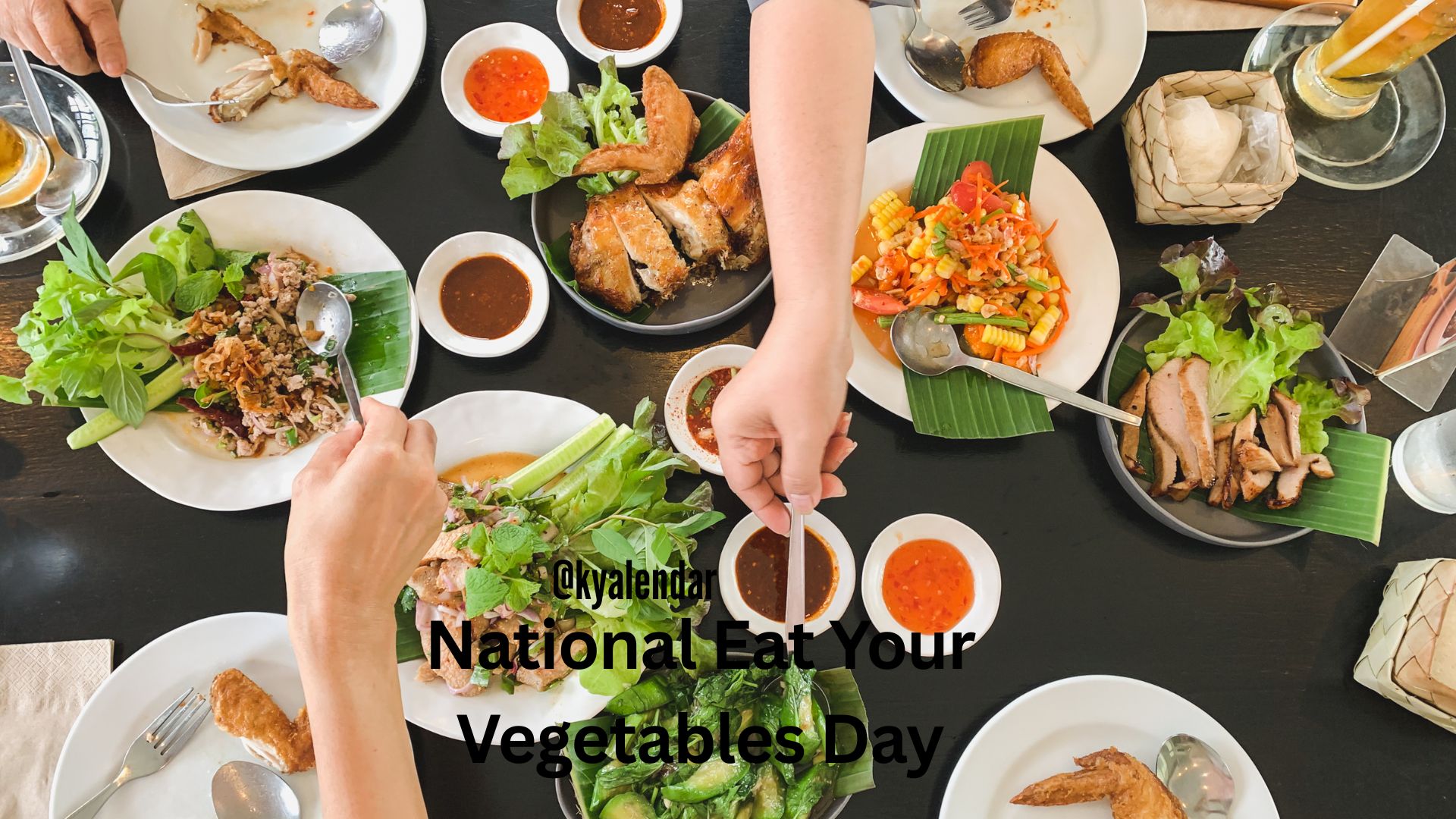
National Eat Your Vegetables Day is celebrated annually on 17th June, promoting healthy eating and encouraging everyone to incorporate more vegetables into their daily diet. The day serves as a gentle reminder to enjoy nature’s bounty and recognise the numerous benefits that come from a diet rich in fresh produce. Whether you’re a long-time vegetable lover or just starting to explore the world of greens, this day is an excellent opportunity to give vegetables the attention they deserve.
Why Celebrate National Eat Your Vegetables Day?
Vegetables are an essential part of a balanced diet, providing a wealth of vitamins, minerals, and other nutrients that are crucial for maintaining good health. From boosting the immune system to supporting heart health, the benefits of vegetables are widely recognised by health professionals. National Eat Your Vegetables Day encourages everyone, from children to adults, to make conscious choices towards healthier eating.
The day also aligns with the growing global trend of plant-based diets and sustainable living. By increasing vegetable consumption, we not only improve our health but also contribute to reducing the environmental impact of meat-heavy diets. With concerns about climate change and resource depletion on the rise, eating more vegetables can be a small yet impactful step toward a more sustainable future.
Health Benefits of Vegetables
Vegetables come packed with vital nutrients that support our bodies in many ways. Here are just a few reasons why we should eat more vegetables:
- Nutrient-Rich: Vegetables are full of vitamins (like A, C, and K), minerals (such as potassium and magnesium), and antioxidants that help protect the body from disease.
- Low in Calories: Most vegetables are naturally low in calories and fat, making them ideal for maintaining a healthy weight.
- Fibre: High in dietary fibre, vegetables help to regulate digestion, prevent constipation, and lower cholesterol levels.
- Disease Prevention: Eating a variety of vegetables can reduce the risk of chronic diseases like heart disease, stroke, and certain cancers.
- Boosts Immunity: Many vegetables, especially those high in Vitamin C, help boost the immune system, keeping illnesses at bay.
Ways to Celebrate National Eat Your Vegetables Day
Celebrating National Eat Your Vegetables Day can be fun and easy. Whether you’re cooking at home or eating out, there are countless ways to enjoy the day and get creative with vegetables. Here are a few ideas:
- Try New Recipes: Experiment with new vegetable-based dishes that you haven’t tried before. From a hearty vegetable stew to roasted veggie salads, the possibilities are endless.
- Incorporate More Veggies in Every Meal: Make an effort to add more vegetables to every meal, even if it’s just a small portion. Whether it’s adding spinach to your breakfast smoothie or sneaking some extra carrots into your pasta sauce, every little bit counts.
- Visit a Farmers’ Market: Head to your local farmers’ market and pick up some fresh, seasonal vegetables. This is a great way to support local farmers and discover new and exciting produce to try.
- Grow Your Own Vegetables: If you have space, why not try growing your own vegetables? Whether it’s a small herb garden on your windowsill or a larger plot in the garden, growing your own produce can be a rewarding experience.
- Get Kids Involved: Encourage children to join in by making vegetable-based dishes fun and interactive. Let them help in the kitchen, or teach them about the benefits of healthy eating by growing a small vegetable garden together.
Overcoming Common Obstacles
For some people, eating more vegetables can feel like a challenge, especially if they’re not used to including them regularly in their meals. Here are a few tips for overcoming common obstacles:
- Picky Eaters: If you or your family members are picky eaters, start by incorporating vegetables in subtle ways. Grating vegetables like courgette or carrots into sauces, stews, or even baked goods can help get more nutrients into meals without overwhelming anyone’s taste buds.
- Lack of Time: Many people feel that preparing vegetables takes too much time, but it doesn’t have to. Pre-chopped or frozen vegetables can be just as nutritious and convenient for busy weeknights.
- Expense: Vegetables don’t have to be expensive. Shopping for seasonal produce and buying in bulk can make a big difference in cost. Alternatively, frozen vegetables are a cost-effective option and retain much of their nutritional value.
The Importance of Seasonal Vegetables
Eating seasonal vegetables is not only good for your health but also for the environment. When vegetables are in season, they’re often more abundant, fresher, and more affordable. Additionally, seasonal vegetables typically require fewer resources for transportation and storage, reducing their carbon footprint. So, when celebrating National Eat Your Vegetables Day, take the time to explore what’s in season in your area.
Long-Term Benefits of Incorporating More Vegetables
Incorporating more vegetables into your diet doesn’t just benefit you on National Eat Your Vegetables Day – it’s a lifestyle change that can have long-term benefits. Research has shown that people who regularly eat a diet rich in vegetables tend to have lower blood pressure, improved mental health, and reduced risks of obesity and chronic diseases.
Additionally, vegetables provide the body with the nutrients it needs to function at its best, improving energy levels, skin health, and overall well-being. By making vegetables a regular part of your meals, you’ll be investing in a healthier, happier future.
Conclusion
National Eat Your Vegetables Day is a wonderful opportunity to take stock of our eating habits and make a commitment to better health through plant-based foods. Whether you’re a vegetable enthusiast or someone looking to increase their intake, this day serves as a reminder of the importance of vegetables in a balanced, nutritious diet. By celebrating this day and incorporating more vegetables into your meals, you’re taking a simple yet significant step towards improving your health and well-being, all while contributing to a more sustainable world.