
- This event has passed.
National Disability Independence Day
July 26, 2025
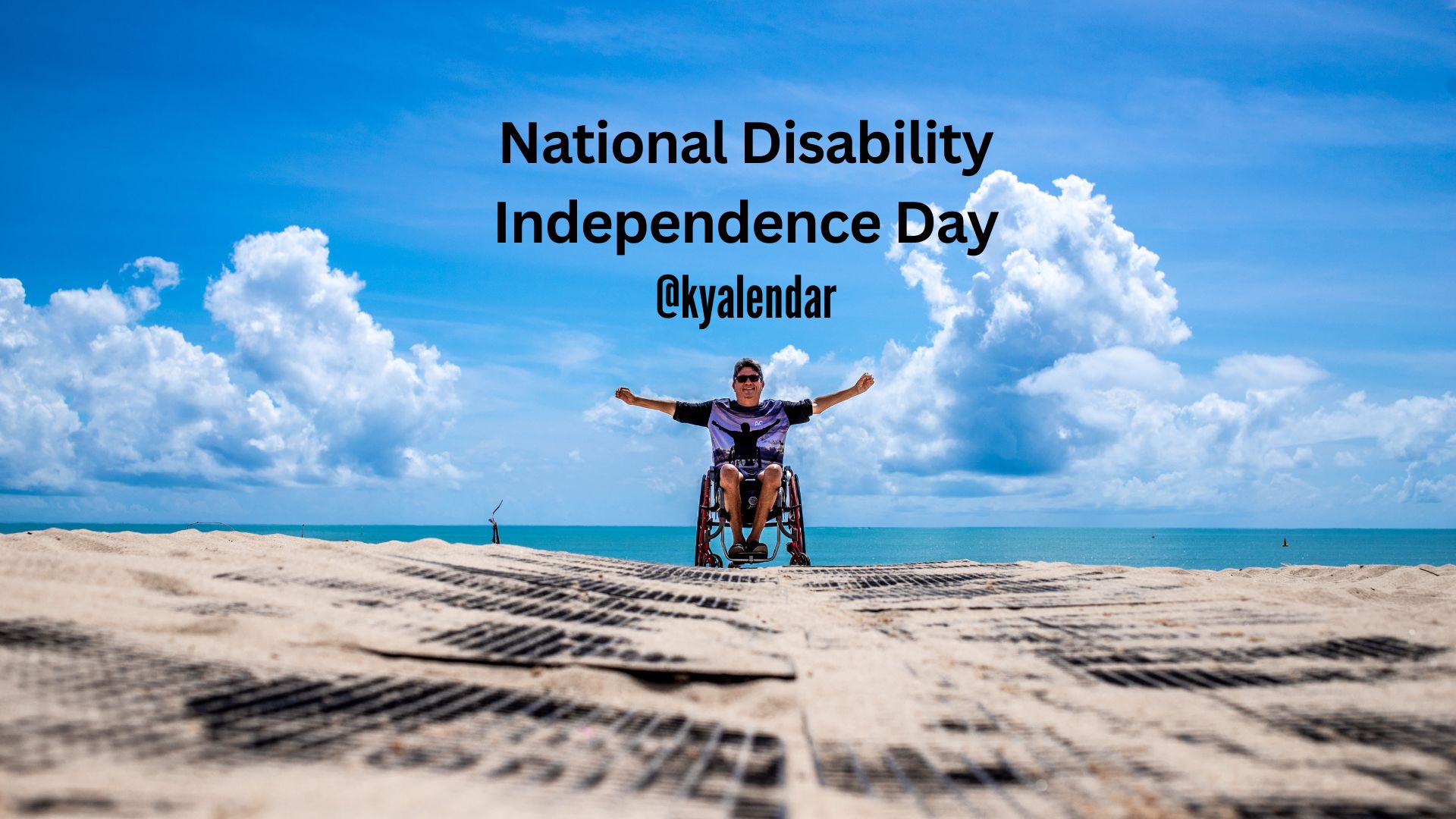
National Disability Independence Day is an annual observance held on 26th July, marking a significant moment in the ongoing fight for equality and accessibility for individuals with disabilities. This day honours the passage of the Americans with Disabilities Act (ADA) in 1990, a landmark piece of legislation that fundamentally changed the landscape of rights for people with disabilities in the United States. Although the observance is rooted in American history, the values it promotes—dignity, inclusion, and independence—resonate globally.
The Significance of the ADA
The Americans with Disabilities Act was a groundbreaking law that aimed to eliminate discrimination against individuals with disabilities and ensure equal access to opportunities in all areas of public life. Before the ADA, people with disabilities often faced considerable barriers, both physical and societal, which limited their participation in many aspects of daily life. The act covers a wide range of areas including employment, education, transportation, and public accommodations, providing essential protections and promoting a more inclusive society.
One of the most vital aspects of the ADA is the way it reshaped public infrastructure, mandating accessibility standards for buildings, pavements, transport, and facilities. This ensured that people with physical disabilities could move through the world with greater ease and independence. Additionally, the ADA also protects the rights of individuals with invisible disabilities, such as mental health conditions and chronic illnesses, fostering a more comprehensive approach to disability rights.
Independence Beyond Legislation
While National Disability Independence Day commemorates the passing of the ADA, its significance goes beyond legislative milestones. It is a day to reflect on the concept of independence in a broader sense—empowering people with disabilities to live full, self-determined lives. For many, independence means being able to access employment opportunities, pursue education, engage in social and recreational activities, and have control over personal decisions without facing unnecessary barriers.
Independence does not mean the absence of support, but rather having the right resources and accommodations in place to allow individuals to thrive. It’s about creating an environment where everyone, regardless of ability, can participate fully in society. National Disability Independence Day serves as a reminder that true independence is achieved through mutual respect, equal opportunities, and the removal of systemic barriers.
The Journey Towards Disability Rights
The passage of the ADA was not an overnight success but the result of decades of advocacy and activism by individuals with disabilities and their allies. The disability rights movement gained significant momentum in the 1960s and 1970s, with activists demanding an end to the exclusionary policies that marginalised people with disabilities. Protests, sit-ins, and public demonstrations played a crucial role in raising awareness and pushing for legislative change.
One of the most notable events in this journey was the “Capitol Crawl” in 1990, where disabled activists left their wheelchairs and mobility aids to crawl up the steps of the U.S. Capitol building. This powerful demonstration underscored the urgent need for accessible infrastructure and helped galvanise support for the ADA. National Disability Independence Day honours the resilience and determination of these early activists, whose efforts paved the way for greater equality.
Global Implications and the Importance of Accessibility
Although National Disability Independence Day is rooted in American history, its themes of accessibility and independence resonate globally. Many countries have adopted similar laws or initiatives to protect the rights of individuals with disabilities, recognising that accessibility is a universal issue. The United Nations Convention on the Rights of Persons with Disabilities (CRPD) is an international treaty that aims to ensure that people with disabilities have the same rights and opportunities as everyone else, promoting inclusive societies worldwide.
Accessibility, however, is an ongoing challenge. While progress has been made in some areas, many people with disabilities still face barriers in accessing education, employment, healthcare, and public spaces. National Disability Independence Day serves as an important reminder that there is still work to be done to ensure that all individuals can live independently and with dignity.
How to Celebrate National Disability Independence Day
National Disability Independence Day is not only a time for reflection but also for action. There are many ways individuals and organisations can celebrate and contribute to the cause:
- Educate Yourself and Others: Learning about the history of the disability rights movement and the current challenges faced by people with disabilities is an important first step. Share this knowledge with others to foster greater understanding and empathy.
- Advocate for Accessibility: Whether it’s in your workplace, community, or local government, advocating for improved accessibility can make a tangible difference. This can include everything from ensuring buildings are equipped with ramps and lifts to making digital content accessible for individuals with visual or auditory impairments.
- Support Disability-Owned Businesses: One way to promote independence for individuals with disabilities is by supporting disability-owned businesses. These entrepreneurs often face additional challenges in starting and running their businesses, and your support can help empower them.
- Engage with Organisations: Many organisations work tirelessly to support individuals with disabilities through advocacy, resources, and services. Volunteering your time, donating, or simply spreading awareness about their work can help these organisations continue their mission.
- Listen to Voices of People with Disabilities: The best way to understand the needs and experiences of people with disabilities is by listening to them. Whether through social media, blogs, or community events, hearing directly from individuals with disabilities can provide valuable insights and help challenge stereotypes.
- Participate in Events: Many cities and organisations host events, workshops, and panel discussions on National Disability Independence Day. Participating in these activities can be a way to show solidarity and contribute to the ongoing conversation around disability rights and inclusion.
Looking Forward: The Future of Disability Independence
As we celebrate National Disability Independence Day, it’s crucial to remember that the journey toward full inclusion and equality is ongoing. Technological advancements, such as assistive devices and innovations in digital accessibility, offer promising avenues for improving the quality of life for people with disabilities. However, it’s essential that these technologies are affordable and accessible to all who need them.
Furthermore, there is a growing recognition that disability should not be viewed through a lens of limitation but rather as an aspect of human diversity. Embracing this perspective means shifting societal attitudes to value and include individuals with disabilities in every aspect of life, from employment to education to the arts.
Conclusion
National Disability Independence Day is a celebration of the progress made in the fight for disability rights, as well as a reminder of the work that still needs to be done. It honours the strength, resilience, and contributions of individuals with disabilities while promoting the values of independence, equality, and accessibility. As we observe this day, let’s continue to advocate for a world where everyone, regardless of ability, can live with dignity, autonomy, and full participation in society.