
- This event has passed.
National Caviar Day
July 18, 2025
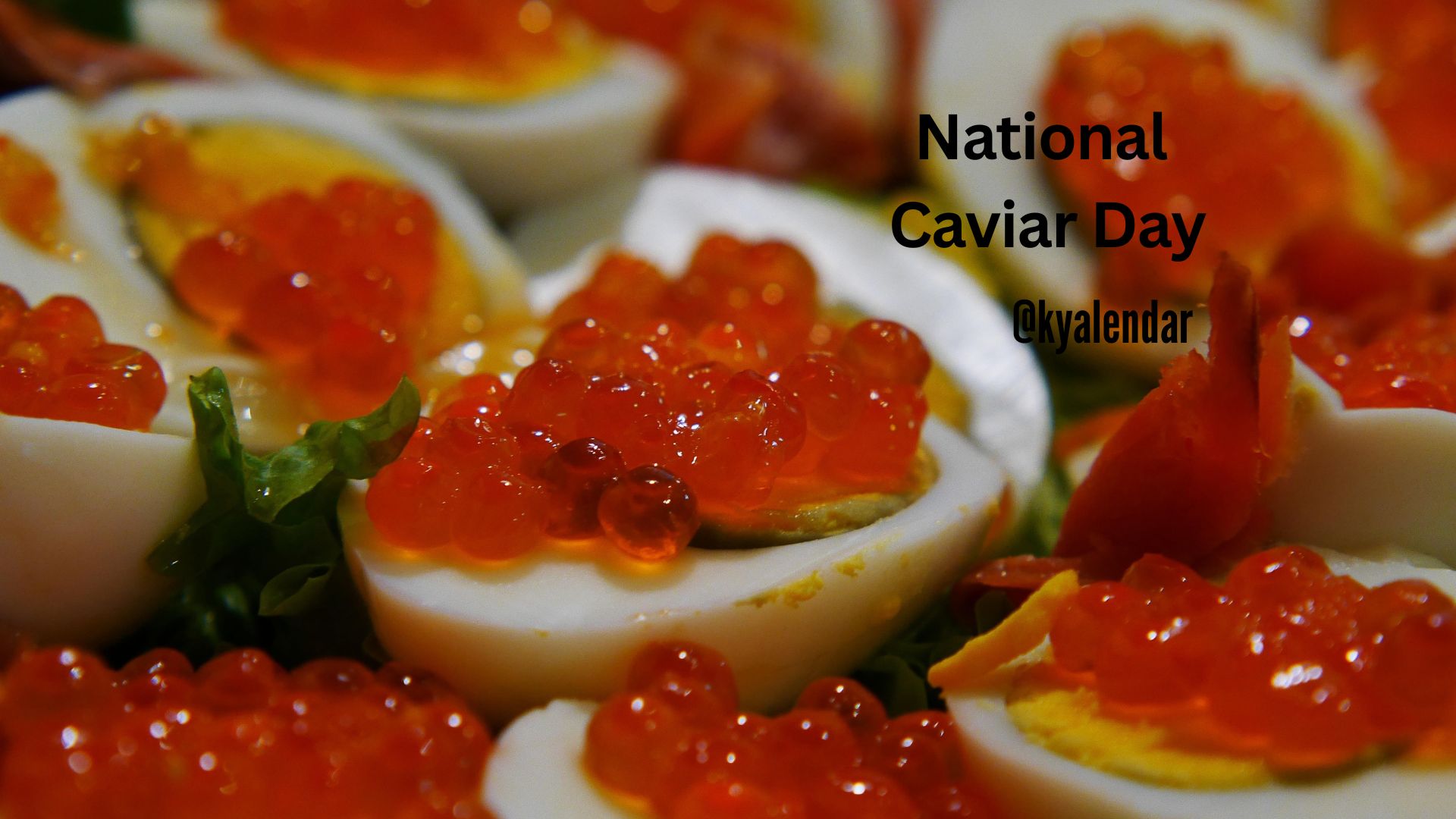
National Caviar Day, celebrated on July 18th each year, is a day dedicated to one of the most luxurious and exquisite delicacies known to culinary enthusiasts around the globe. Caviar, the salted roe (fish eggs) from sturgeon and other fish, has long been regarded as a symbol of opulence and sophistication. This day not only highlights the indulgent nature of caviar but also serves as an opportunity to explore its rich history, culinary uses, and sustainable practices.
A Brief History of Caviar
Caviar’s origins can be traced back to ancient Persia, where it was first consumed by royalty. The delicacy soon spread to various cultures, including the Greeks and Romans, who prized it for its taste and perceived health benefits. In the 19th century, caviar became increasingly popular in Europe, particularly among the aristocracy and affluent classes. By the early 20th century, the production of caviar had expanded, especially in Russia and the Caspian Sea region, where the most sought-after varieties were harvested.
Traditionally, caviar comes from sturgeon, a group of fish that has existed for millions of years. Due to overfishing and habitat loss, many sturgeon species have become endangered, leading to stricter regulations on caviar production. As a result, sustainable farming practices and alternative sources of caviar, such as those from other fish species, have emerged in recent years.
Types of Caviar
Caviar is generally classified into several categories based on the species of fish from which the roe is harvested. The most renowned types include:
- Beluga Caviar: Known for its large eggs and delicate flavour, Beluga caviar comes from the Beluga sturgeon and is considered one of the finest and most expensive types.
- Osetra Caviar: Osetra caviar has medium-sized eggs with a nutty flavour and a rich, complex taste. It is sourced from the Osetra sturgeon and is highly regarded for its quality.
- Sevruga Caviar: Smaller and more intense in flavour, Sevruga caviar comes from the Sevruga sturgeon. It is often more affordable than Beluga and Osetra varieties but still offers a luxurious experience.
- American Caviar: With the decline of sturgeon populations, American producers have developed their own caviar, primarily from fish such as paddlefish, hackleback, and whitefish. These caviars provide a more sustainable option while still offering unique flavours.
- Trout and Salmon Roe: While not true caviar, roe from fish like trout and salmon is often used as a more accessible alternative. These options are typically more affordable and are gaining popularity in gourmet cooking.
Culinary Uses of Caviar
Caviar is often enjoyed on its own, served chilled on blinis (small pancakes), toast points, or with crème fraîche. Its unique texture and salty flavour can elevate a dish, making it a popular choice for gourmet meals. In addition to being a luxurious topping, caviar can be incorporated into various culinary creations, including:
- Pasta Dishes: Adding caviar to pasta can create a stunning and decadent meal, particularly when paired with creamy sauces or seafood.
- Sushi: Caviar can be used as a garnish on sushi rolls, providing a burst of flavour and texture.
- Salads: A sprinkle of caviar can enhance a salad’s elegance, particularly when combined with fresh greens, citrus, and a light vinaigrette.
- Appetisers: Caviar is often featured in fancy hors d’oeuvres, either as a topping on crackers or incorporated into dips.
Celebrating National Caviar Day
On National Caviar Day, food enthusiasts and connoisseurs come together to celebrate this delicacy in various ways. Here are some ideas to honour the occasion:
- Caviar Tasting: Organise a caviar tasting event with friends or family, where you can sample different types of caviar alongside complementary foods and beverages. Pair caviar with champagne or vodka for an authentic experience.
- Visit a Fine Dining Restaurant: Treat yourself to a meal at a restaurant that features caviar on the menu. This is a great opportunity to explore different dishes that incorporate this luxurious ingredient.
- Culinary Classes: Participate in a culinary class that focuses on caviar preparation and tasting. Learn about the various types of caviar, how to serve it, and the best food pairings.
- Cooking at Home: If you’re feeling adventurous, try incorporating caviar into your home cooking. Experiment with different recipes that feature caviar as a key ingredient.
- Share on Social Media: Use the hashtag #NationalCaviarDay to share your caviar experiences on social media. Post pictures of your caviar dishes or your tasting event to connect with fellow food lovers.
Sustainability and Ethical Considerations
As caviar continues to be associated with luxury, it is essential to be mindful of its production and sourcing. Overfishing and habitat destruction have significantly impacted sturgeon populations, leading to heightened awareness regarding sustainable practices. Many reputable caviar producers are now focused on responsible harvesting methods, ensuring that their products are sourced ethically.
When celebrating National Caviar Day, consider choosing caviar from sustainable farms or those that adhere to strict environmental regulations. Look for certifications that guarantee the product’s sustainability and support conservation efforts.
Conclusion
National Caviar Day is not just an opportunity to indulge in a luxurious delicacy; it is also a chance to appreciate the rich history, culinary versatility, and sustainability challenges associated with caviar. Whether you’re a long-time aficionado or trying it for the first time, this day encourages everyone to explore the world of caviar and embrace its unique flavours.
As we celebrate National Caviar Day, let us remember the importance of sustainability and ethical practices in the food industry. By making informed choices, we can enjoy this exquisite delicacy while ensuring that future generations can experience the joy of caviar as well.