
- This event has passed.
Malala Day
July 12, 2025
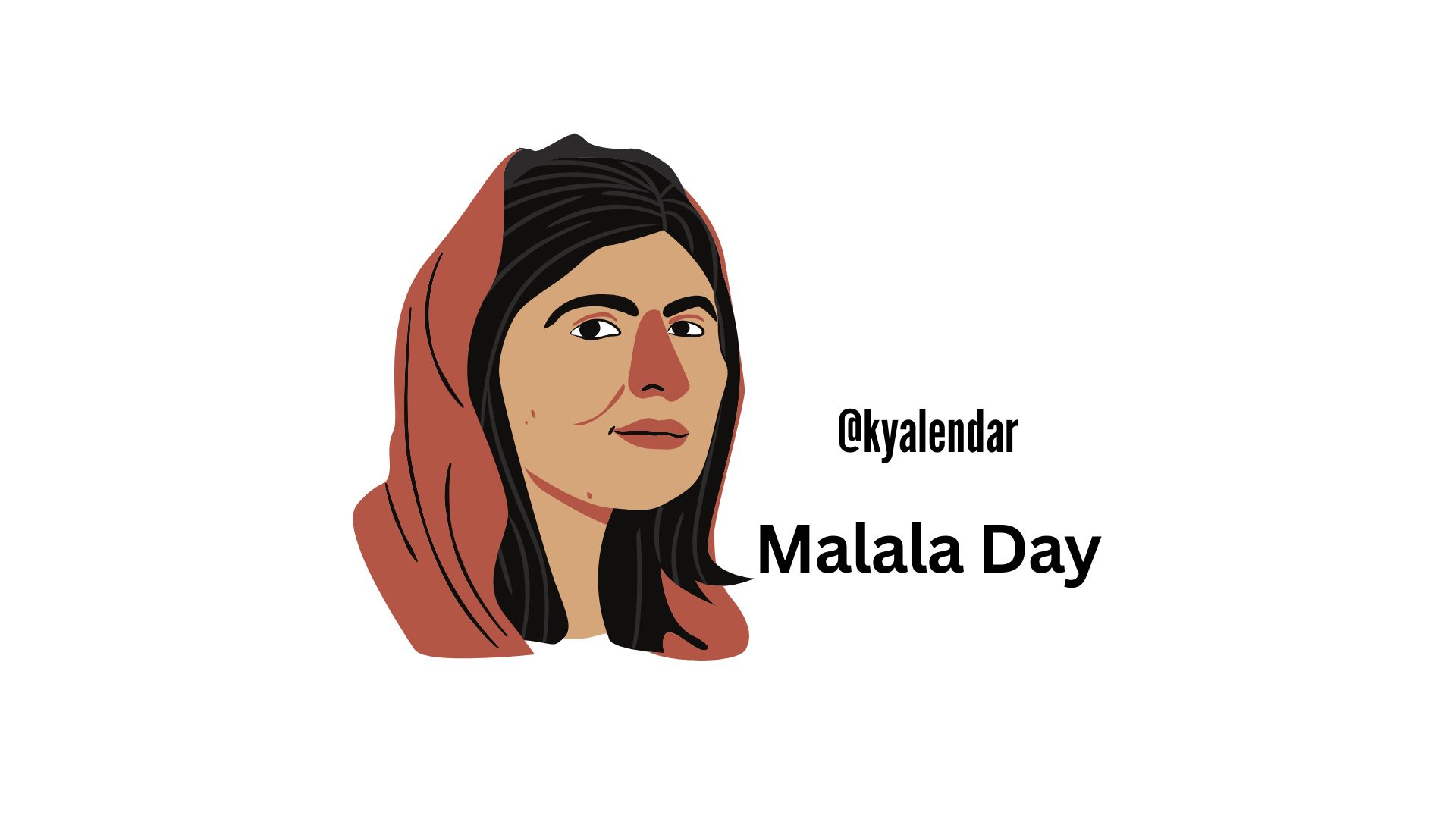
Malala Day, celebrated on July 12th each year, commemorates the birthday of Malala Yousafzai, a Pakistani activist for girls’ education and the youngest-ever Nobel Prize laureate. This day not only honours her courageous efforts but also highlights the ongoing fight for the right to education for all children, particularly girls around the world.
A Brief Background
Malala Yousafzai was born on July 12, 1997, in Mingora, Pakistan. Growing up in a region where the Taliban often imposed strict interpretations of Islamic law, Malala’s life took a dramatic turn when she began advocating for girls’ education in her community. Her activism gained global attention, especially when she started writing a blog under a pseudonym for the BBC Urdu service, detailing her experiences under Taliban rule and the challenges faced by girls seeking education.
On October 9, 2012, Malala was shot in the head by a Taliban gunman while on a school bus, an assassination attempt that sparked international outrage. Miraculously, she survived and continued her advocacy on a global scale, becoming a symbol of resilience and hope for millions.
In recognition of her efforts, Malala received the Nobel Peace Prize in 2014, alongside Indian children’s rights activist Kailash Satyarthi. This award further solidified her position as a prominent figure in the fight for education and gender equality.
The Significance of Malala Day
Malala Day serves several important purposes:
- Awareness: The day raises awareness about the challenges that girls face in accessing education worldwide. According to UNESCO, millions of girls are still denied the right to education due to various factors, including poverty, discrimination, and conflict.
- Empowerment: Malala Day empowers individuals, particularly young girls, to stand up for their rights and pursue their education. Malala’s story inspires many to overcome obstacles and strive for their goals.
- Advocacy for Education: The day serves as a rallying point for activists, educators, and governments to advocate for educational policies that prioritise equal access to education for all children, regardless of gender or socio-economic status.
- Global Solidarity: Malala Day fosters a sense of global solidarity in the fight for education. It encourages people around the world to unite in support of initiatives that promote educational access and equity.
Celebrating Malala Day
Malala Day is marked by various events and activities aimed at promoting the right to education. Here are some ways individuals and organisations celebrate this important day:
- Educational Campaigns: Schools, universities, and non-profit organisations often organise educational campaigns, workshops, and seminars to raise awareness about the importance of education for girls. These events may include discussions, guest speakers, and interactive activities.
- Fundraising for Education: Many organisations use Malala Day as an opportunity to raise funds for educational initiatives. This could involve fundraising events, donation drives, or campaigns aimed at supporting girls’ education in developing countries.
- Social Media Advocacy: On Malala Day, individuals and organisations utilise social media platforms to spread awareness about girls’ education. They may share Malala’s story, post educational resources, and encourage discussions using hashtags related to the day.
- Community Engagement: Community events, such as film screenings, panel discussions, and art exhibitions, are organised to engage local populations in conversations about the importance of education and gender equality.
- Recognising Young Leaders: Some organisations take the opportunity to recognise and celebrate young leaders who are advocating for education and gender equality in their communities. Awards or scholarships may be presented to those making significant contributions.
- Educational Activities: Schools and educational institutions may incorporate special activities or lessons focused on Malala’s story and the importance of education. This helps to inspire students and raise awareness from a young age.
The Ongoing Fight for Education
Despite the global recognition of Malala Day, the fight for education is far from over. According to UNICEF, millions of girls are still out of school, facing barriers such as early marriage, poverty, and violence. In many regions, particularly in conflict zones, education is often disrupted, leaving children vulnerable and without opportunities.
The impact of the COVID-19 pandemic further exacerbated these challenges, with school closures affecting millions of children worldwide. Many girls are at risk of not returning to school, making initiatives that promote educational access even more crucial.
Malala’s Continued Advocacy
Malala Yousafzai continues to be an influential voice in the fight for education and gender equality. Through her foundation, the Malala Fund, she advocates for girls’ education globally, supporting initiatives aimed at ensuring that every girl has the opportunity to achieve 12 years of quality education.
Her efforts focus on regions where girls face the greatest barriers to education, working with local organisations to address the unique challenges faced by communities. Malala’s ongoing advocacy reinforces the message that education is not only a right but also a powerful tool for change.
Conclusion
Malala Day is a powerful reminder of the importance of education and the need to advocate for the rights of every child to learn and grow. It honours the bravery of Malala Yousafzai and the countless girls around the world who strive for an education despite facing adversity.
As we celebrate this day, let us reflect on the progress made and the work that still lies ahead. By raising our voices, supporting educational initiatives, and empowering the next generation, we can help ensure that every girl has the opportunity to fulfil her potential through education. Together, we can contribute to a world where education is accessible to all, regardless of gender or circumstance.