
Know Your Numbers Week
September 8
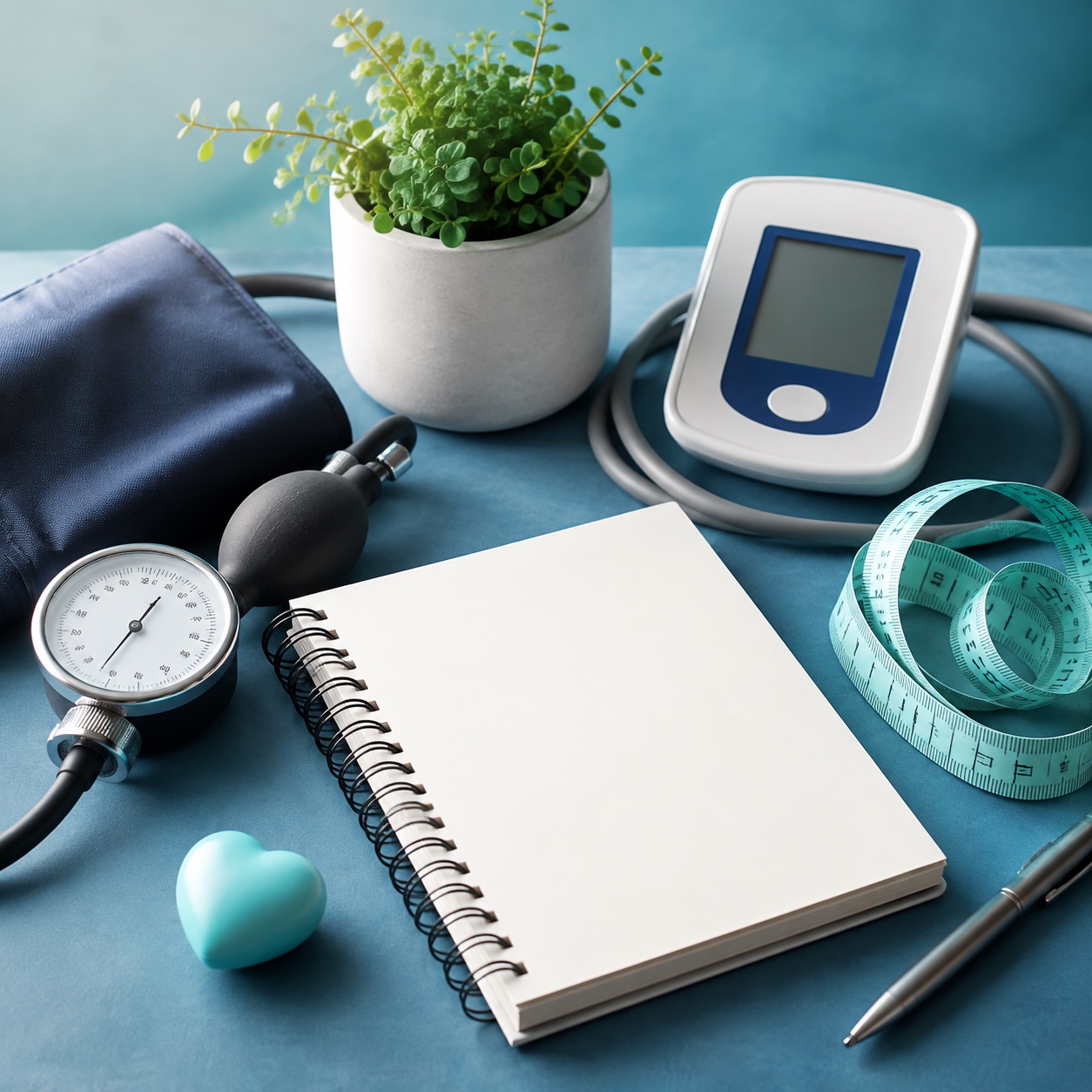
 Know Your Numbers Week
Know Your Numbers Week is an important annual campaign that encourages individuals to take control of their health by understanding key health metrics. It highlights the importance of knowing your blood pressure, cholesterol levels, blood sugar, and body mass index (BMI), and how these numbers can provide essential insight into your overall well-being. With rising concerns over preventable health conditions, Know Your Numbers Week serves as a reminder to get checked regularly and take steps to improve one’s health.
What is Know Your Numbers Week?
Know Your Numbers Week is typically observed in early September, and its goal is to raise awareness about the significance of tracking and understanding key health indicators. These numbers are crucial because they can help identify early signs of serious health conditions, such as heart disease, diabetes, and hypertension, before symptoms even appear. By regularly monitoring these metrics, individuals can take preventive measures or make necessary lifestyle changes that can ultimately improve their quality of life.
The campaign focuses on empowering individuals to be proactive about their health by visiting healthcare professionals, getting essential health checks, and understanding the meaning behind their numbers. It encourages people to discuss their results with a healthcare provider to ensure they are on the right track towards better health.
The Key Numbers You Need to Know
During Know Your Numbers Week, the primary health indicators people are encouraged to monitor include:
- Blood Pressure: Blood pressure is one of the most important indicators of heart health. High blood pressure (hypertension) can lead to heart disease, stroke, and kidney problems. Normal blood pressure is usually around 120/80 mmHg. Anything higher than 130/80 mmHg is considered high, and individuals with high blood pressure may need to make lifestyle changes or take medication to manage it.
- Cholesterol Levels: Cholesterol is a type of fat found in the blood. While your body needs some cholesterol to function, too much can lead to plaque buildup in the arteries, which increases the risk of heart disease. A healthy cholesterol level is generally under 5 mmol/L, with a specific focus on maintaining a low level of LDL (bad cholesterol) and a higher level of HDL (good cholesterol).
- Blood Sugar (Glucose) Levels: Blood sugar levels are an essential part of managing or preventing diabetes. A fasting blood sugar level of less than 100 mg/dL is considered normal, while higher levels could indicate prediabetes or diabetes. By monitoring blood sugar levels, individuals can catch potential problems early, allowing them to manage their condition and avoid complications.
- Body Mass Index (BMI): BMI is a measure of body fat based on height and weight. It provides a general indicator of whether an individual is underweight, healthy weight, overweight, or obese. A BMI between 18.5 and 24.9 is considered normal, while a BMI over 25 is classified as overweight, and over 30 as obese. While BMI is not a perfect measure (it doesn’t account for muscle mass, for example), it is a helpful starting point for assessing potential health risks.
Why These Numbers Matter
Understanding these numbers can significantly improve an individual’s ability to prevent or manage various health conditions. Many chronic diseases, such as heart disease and diabetes, often develop silently over time. By knowing your numbers and understanding what they mean, you can act early and take steps to prevent the development of these conditions.
- Preventing Serious Conditions: Monitoring your numbers can help prevent the onset of heart disease, stroke, and diabetes. For example, managing your blood pressure and cholesterol can reduce the risk of cardiovascular diseases. Similarly, maintaining healthy blood sugar levels can help prevent or manage diabetes.
- Early Detection: Regular checks allow for early detection of health issues before they become more serious. For example, high blood pressure is often called the “silent killer” because it typically shows no symptoms. By knowing your blood pressure and acting early, you can prevent complications.
- Informed Decision-Making: Knowing your numbers enables you to make informed decisions about your health. If a particular number is out of the recommended range, you can work with your healthcare provider to understand why and make necessary lifestyle adjustments, such as improving your diet, increasing physical activity, or starting treatment.
- Encouraging Healthy Lifestyle Choices: By knowing how different aspects of your health are measured, you can become more motivated to adopt healthier habits. Monitoring your cholesterol, blood pressure, and BMI can inspire you to make changes in your daily routine, such as eating a balanced diet, exercising regularly, or managing stress more effectively.
How to Get Involved
During Know Your Numbers Week, there are several ways to get involved:
- Visit Your Doctor for a Health Check-up: One of the most important actions you can take during Know Your Numbers Week is to visit your healthcare provider for a check-up. Your doctor will measure your blood pressure, cholesterol, blood sugar, and BMI, giving you a comprehensive view of your health.
- Check Your Blood Pressure at Home: If you have a blood pressure monitor at home, you can check your blood pressure regularly. Many pharmacies also offer free blood pressure checks. Keeping track of these numbers can help you stay informed and take action if needed.
- Get Your Cholesterol and Blood Sugar Checked: Blood tests are the best way to measure cholesterol and blood sugar levels. Speak to your GP or local clinic about getting a test to check these important indicators.
- Track Your BMI: You can easily calculate your BMI using an online calculator or by visiting your healthcare provider. If your BMI is outside of the healthy range, your doctor can provide guidance on ways to improve your weight and overall health.
- Promote Awareness: Share the importance of knowing your numbers with family, friends, and colleagues. Encourage others to get checked and help spread awareness of the campaign.
Key Takeaways
Know Your Numbers Week is an essential initiative that highlights the significance of understanding and tracking your health indicators. By knowing your blood pressure, cholesterol, blood sugar, and BMI, you can take proactive steps to prevent or manage health conditions. This week encourages individuals to visit healthcare professionals for routine checks, educate themselves about their health, and make informed decisions to lead a healthier life.
Ultimately, taking the time to know and understand your numbers can empower you to make positive changes that will benefit your health in the long term. Don’t wait for health problems to develop – take control of your well-being today, and make Know Your Numbers Week a reminder of the importance of regular health monitoring.