
- This event has passed.
International Women in Engineering Day
June 23, 2025
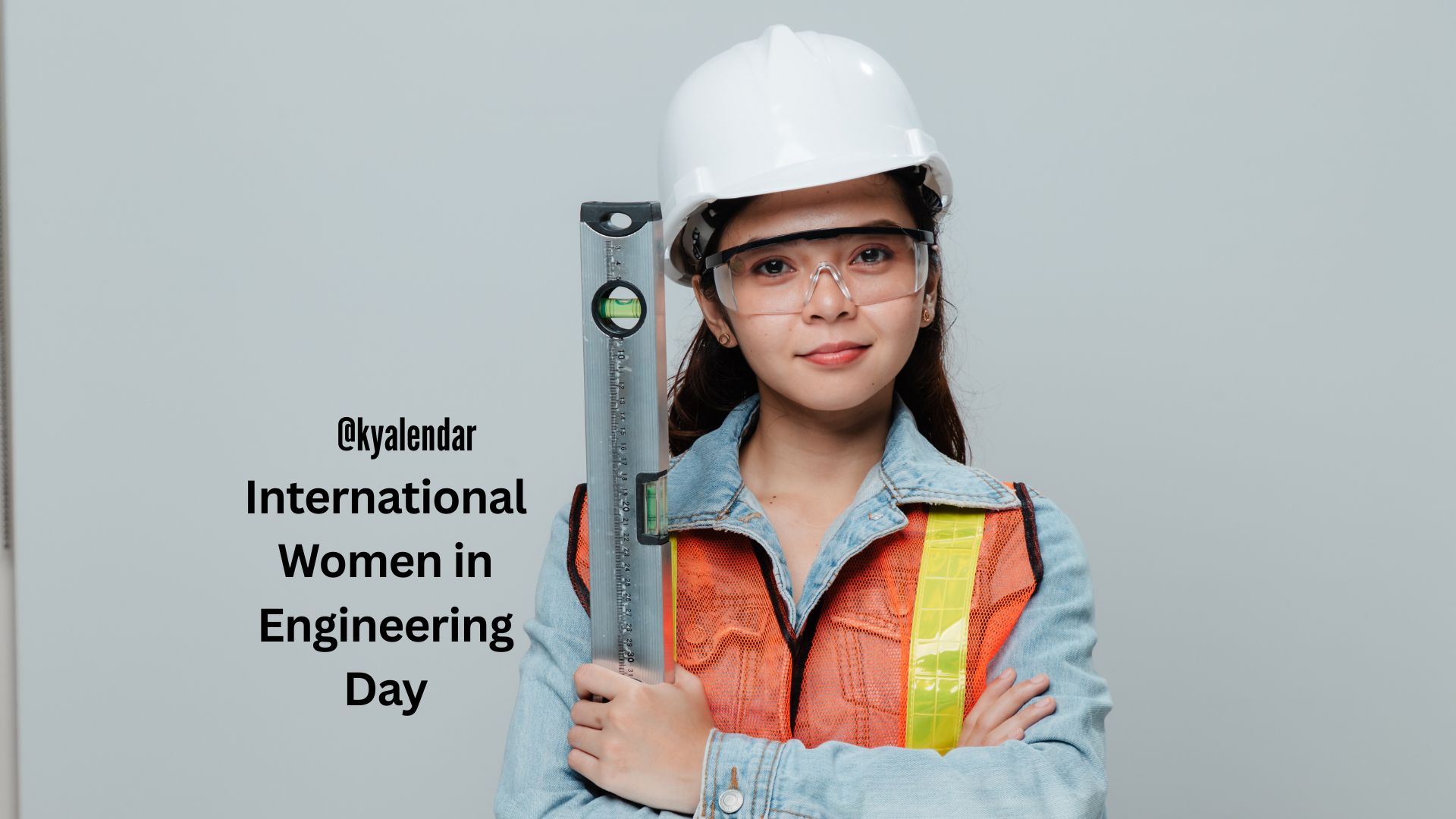
International Women in Engineering Day (INWED), celebrated annually on June 23rd, is a global event dedicated to recognising and promoting the achievements of women in engineering and related fields. This day aims to inspire the next generation of female engineers, raise awareness of the contributions women make to the engineering profession, and encourage a more inclusive and diverse workforce in an industry traditionally dominated by men.
The Importance of Women in Engineering
Engineering is a vital sector that drives innovation and shapes the future. From designing sustainable infrastructure to developing cutting-edge technology, engineers play a crucial role in addressing global challenges. However, despite women making up nearly half of the global workforce, they remain underrepresented in engineering roles. This lack of representation can limit diversity of thought, creativity, and problem-solving, which are essential for driving innovation and addressing complex issues.
International Women in Engineering Day highlights the importance of female representation in this field. By encouraging more women to pursue careers in engineering, we can tap into a broader range of perspectives and ideas, ultimately leading to better solutions and advancements.
The Origins of International Women in Engineering Day
International Women in Engineering Day was first launched in 2014 by the Women’s Engineering Society (WES) in the UK. The initiative aimed to highlight the achievements of women in engineering, promote engineering as a career choice for girls and young women, and address the gender imbalance within the profession.
Since its inception, INWED has grown into a global celebration, with participation from organisations, educational institutions, and individuals worldwide. The day features various events, including workshops, seminars, talks, and social media campaigns, all aimed at raising awareness about the vital contributions of women in engineering.
Themes and Activities
Each year, International Women in Engineering Day adopts a specific theme to focus its messaging and activities. These themes often address current issues and challenges faced by women in engineering and provide a framework for discussions and initiatives throughout the year.
Activities on this day typically include:
- Workshops and Seminars: Educational events that aim to inform and inspire participants about engineering careers, the importance of diversity, and the skills required to succeed in the field.
- Networking Events: Opportunities for women in engineering to connect, share experiences, and build supportive professional networks.
- Social Media Campaigns: Engaging campaigns that encourage individuals and organisations to share stories of women in engineering, highlighting their achievements and contributions. The use of hashtags related to INWED helps amplify these stories and reach a wider audience.
- School Outreach Programs: Initiatives designed to inspire young girls to consider engineering as a viable career option. These may include school visits, presentations, and interactive activities that introduce engineering concepts in fun and engaging ways.
Celebrating Women Engineers
International Women in Engineering Day is not just about raising awareness; it’s also an opportunity to celebrate the accomplishments of women in the field. From pioneering engineers who have made groundbreaking discoveries to everyday heroes working in local communities, the contributions of women engineers are diverse and impactful.
Celebrating these achievements helps to create role models for future generations. When young girls see successful women in engineering, they are more likely to envision themselves in similar roles. Highlighting the journeys of women engineers, including their challenges and triumphs, can serve as powerful motivation for others considering a career in this field.
The Path Forward: Encouraging Diversity in Engineering
While significant progress has been made in promoting gender equality in engineering, there is still much work to be done. The underrepresentation of women in this field is often attributed to various factors, including:
- Stereotypes and Bias: Societal stereotypes about gender roles can discourage girls from pursuing engineering. Many still perceive engineering as a male-dominated profession, leading to self-doubt and reduced aspirations.
- Lack of Role Models: The absence of visible female role models in engineering can limit the aspirations of young women. When they do not see themselves represented in the field, they may be less likely to consider it as a career.
- Workplace Culture: Engineering workplaces can sometimes foster environments that are unwelcoming or unaccommodating to women, leading to high attrition rates among female engineers.
To create a more inclusive and diverse engineering workforce, it is essential to:
- Promote STEM Education: Encouraging girls to explore science, technology, engineering, and mathematics (STEM) subjects from a young age can spark their interest in engineering careers.
- Mentorship Programs: Establishing mentorship initiatives that connect young women with experienced female engineers can provide guidance, support, and encouragement.
- Advocate for Policy Changes: Organisations can work towards implementing policies that promote gender equality and inclusivity in the workplace, such as flexible working arrangements, family-friendly policies, and diversity training.
Conclusion
International Women in Engineering Day serves as a powerful reminder of the contributions women make to the engineering profession and the importance of fostering a diverse workforce. By celebrating the achievements of women engineers and advocating for gender equality, we can inspire the next generation to pursue careers in engineering, ultimately leading to a more innovative and sustainable future. As we celebrate INWED, let us commit to supporting and empowering women in engineering, ensuring that their voices are heard and their contributions are recognised. Together, we can build a more inclusive and equitable engineering community for all.