
- This event has passed.
International Panic Day
June 18, 2025
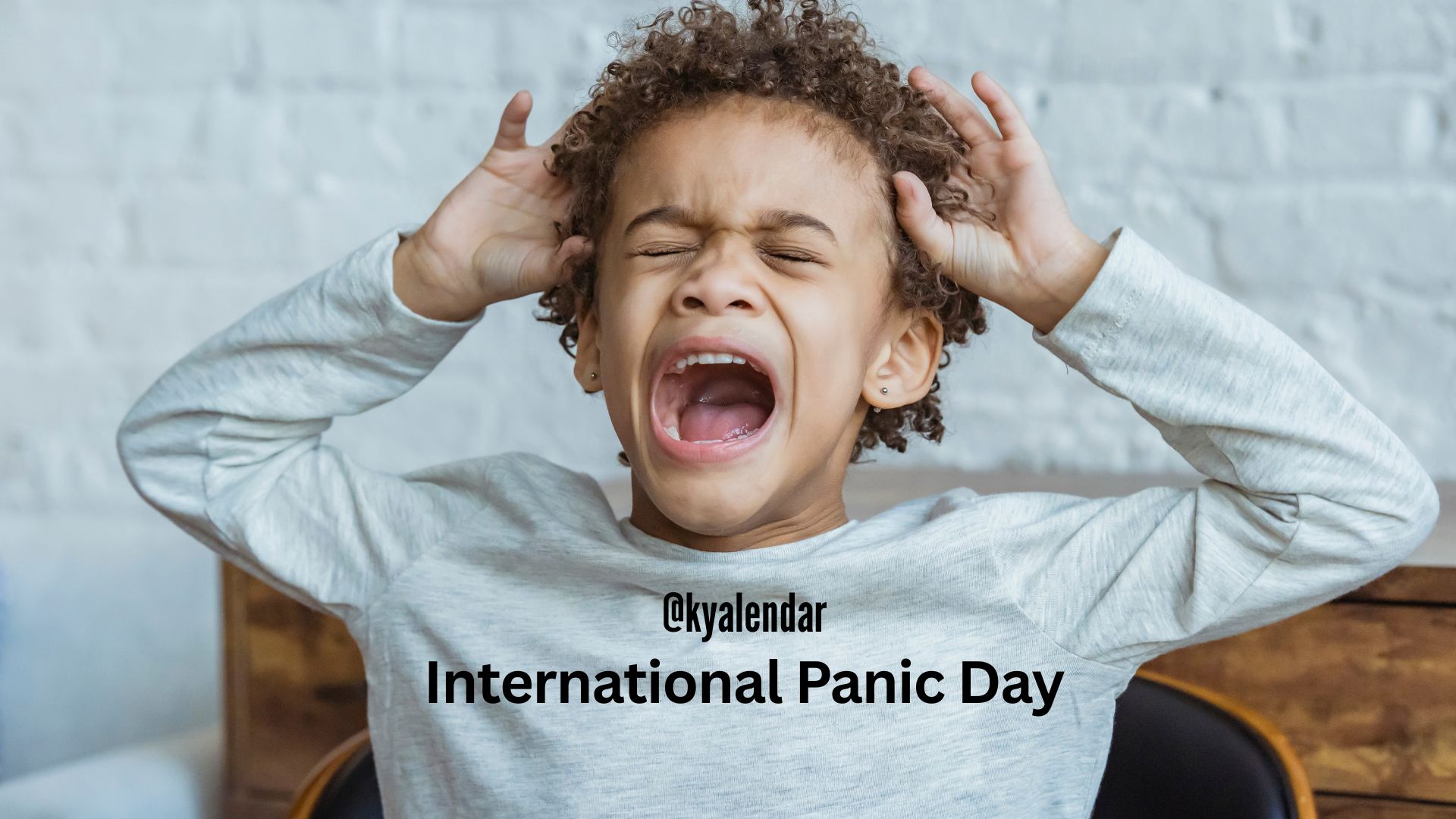
International Panic Day, observed on June 18 each year, serves as a reminder to acknowledge the pressures of modern life and the impact they can have on our mental well-being. Although the name may evoke feelings of anxiety, the day is not meant to celebrate panic but rather to highlight the importance of mental health awareness and encourage individuals to take a step back, assess their feelings, and find constructive ways to cope with stress and anxiety.
The Origins of International Panic Day
The origins of International Panic Day are not extensively documented, but it appears to have emerged as a response to the increasing prevalence of stress and anxiety in contemporary society. In a fast-paced world filled with deadlines, obligations, and constant connectivity, many people experience feelings of panic or overwhelm at various points in their lives. The day serves as an opportunity to raise awareness about mental health issues and to promote open discussions around coping strategies and support systems.
Understanding Panic and Anxiety
Panic and anxiety are natural responses to stressors in our lives. They can manifest in various ways, including physical symptoms such as a racing heart, shortness of breath, sweating, and dizziness. While these feelings are normal, especially during challenging situations, they can become overwhelming and interfere with daily life when they occur frequently or without apparent cause.
- Panic Attacks: A panic attack is a sudden episode of intense fear or discomfort that triggers severe physical reactions when there is no real danger or apparent cause. Symptoms can include heart palpitations, chest pain, nausea, and feelings of impending doom. Panic attacks can be debilitating, often leading individuals to avoid situations that they associate with the onset of these episodes.
- Generalised Anxiety Disorder (GAD): GAD is characterised by excessive and persistent worry about various aspects of daily life. Individuals with GAD often find it challenging to control their anxiety, leading to physical symptoms like fatigue, irritability, and muscle tension.
- Social Anxiety Disorder: This type of anxiety revolves around the fear of social situations and being judged or scrutinised by others. Individuals with social anxiety may experience panic in social settings, impacting their ability to engage in normal activities.
Recognising the Signs
It’s essential to recognise the signs of panic and anxiety, both in ourselves and in others. Common indicators include:
- Increased heart rate
- Shallow breathing
- Sweating or trembling
- Feeling lightheaded or dizzy
- Irrational fears or worries
- Avoidance of specific situations or places
Understanding these signs is the first step in addressing and managing anxiety. Acknowledging when you or someone else is struggling can help initiate conversations about mental health and lead to seeking help or finding coping strategies.
Coping Strategies for Managing Panic and Anxiety
International Panic Day encourages individuals to take proactive steps to manage their anxiety and panic symptoms. Here are several strategies that can help:
- Mindfulness and Meditation: Practising mindfulness and meditation can significantly reduce feelings of panic and anxiety. These techniques promote a greater awareness of the present moment, helping individuals to ground themselves and ease racing thoughts.
- Deep Breathing Exercises: Focusing on your breath can help calm your nervous system during moments of panic. Techniques such as the 4-7-8 method, where you inhale for four counts, hold for seven counts, and exhale for eight counts, can be particularly effective.
- Physical Activity: Engaging in regular physical activity releases endorphins, which can boost mood and reduce stress. Whether it’s going for a walk, practising yoga, or participating in a sport, exercise can serve as a powerful outlet for anxiety.
- Journaling: Writing down your thoughts and feelings can provide clarity and relief from overwhelming emotions. Journaling can help identify triggers and patterns, allowing for more effective coping strategies.
- Seeking Support: Talking to friends, family, or mental health professionals can provide invaluable support. Sometimes, just voicing your concerns can alleviate some of the weight of anxiety. Professional help may include therapy, medication, or both, depending on individual needs.
- Setting Boundaries: It’s essential to recognise when you need to say no to avoid overcommitting yourself. Setting boundaries in both personal and professional spheres can help manage stress levels and prevent feelings of being overwhelmed.
Celebrating International Panic Day
Celebrating International Panic Day doesn’t have to involve panic or anxiety; rather, it should focus on promoting awareness and understanding of mental health issues. Here are some ways to observe the day:
- Educate Yourself and Others: Take the time to learn more about anxiety and panic disorders. Share your knowledge with friends and family to help break the stigma surrounding mental health.
- Share Your Story: If you feel comfortable, consider sharing your experiences with anxiety or panic. Personal stories can foster connections and encourage others to seek help.
- Create a Calm Space: Dedicate some time to create a calming environment at home or work. This could involve decluttering, adding plants, or setting up a comfortable relaxation area.
- Practice Self-Care: Engage in self-care activities that promote relaxation and well-being. This could be anything from taking a long bath, enjoying a favourite hobby, or simply taking a break from technology.
- Support Mental Health Initiatives: Consider donating to or volunteering with organisations that support mental health awareness and provide resources for those struggling with anxiety and panic disorders.
Conclusion
International Panic Day serves as a poignant reminder of the importance of mental health awareness in our fast-paced world. It encourages us to recognise the impact of anxiety and panic on our lives and the lives of those around us. By fostering open conversations, promoting understanding, and implementing effective coping strategies, we can create a more supportive environment for ourselves and others.
So, as you observe International Panic Day, take a moment to reflect on your mental well-being and consider the steps you can take to manage stress and anxiety in your life. Remember, it’s perfectly okay to seek help and prioritise your mental health.