
- This event has passed.
International Day of the Tropics
June 29, 2025
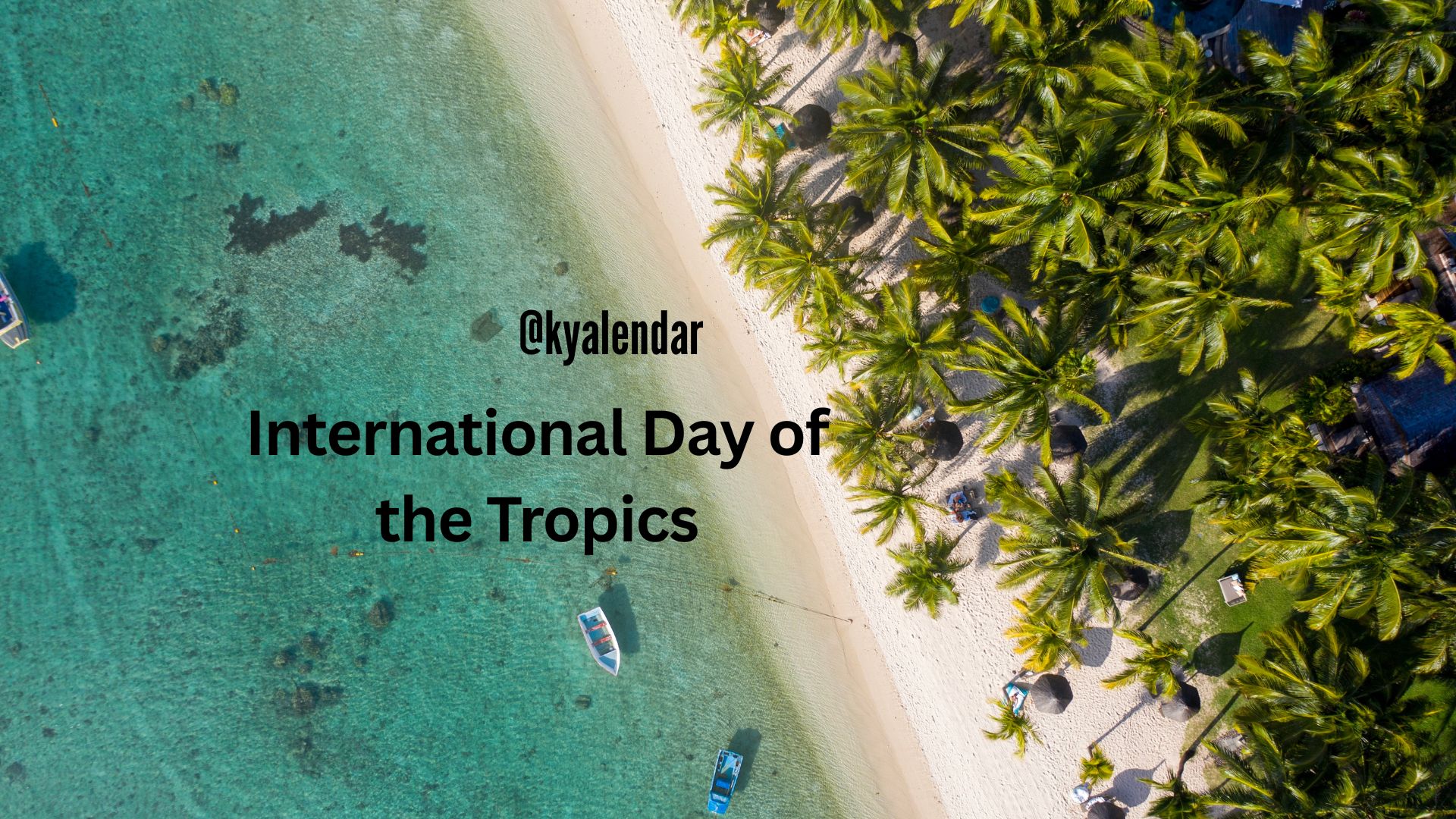
International Day of the Tropics is observed annually on June 29th to highlight the unique challenges and opportunities faced by tropical regions around the world. Established by the United Nations in 2014, this day serves as a platform to promote awareness about the importance of the tropics in terms of biodiversity, culture, economy, and environmental sustainability. By shining a spotlight on these vital areas, we can encourage global cooperation and commitment to sustainable development in the tropics.
Understanding the Tropics
The tropics are the regions of the Earth located between the Tropic of Cancer and the Tropic of Capricorn, covering approximately 40% of the planet’s surface. This area is characterised by a warm climate, abundant rainfall, and rich biodiversity. The tropics are home to diverse ecosystems, including rainforests, savannas, and coral reefs, which are essential for the planet’s ecological balance.
Some key characteristics of tropical regions include:
- Biodiversity: The tropics are known for their extraordinary biodiversity, hosting around 60% of the world’s terrestrial species. Tropical rainforests, in particular, are home to countless plant and animal species, many of which are endemic to these regions.
- Cultural Diversity: Tropical areas are also rich in cultural diversity, with numerous indigenous communities and cultures that have developed unique ways of life. These communities often possess valuable traditional knowledge about sustainable resource management and conservation.
- Economic Significance: The tropics play a crucial role in the global economy, providing essential resources such as food, timber, and pharmaceuticals. Agriculture, tourism, and natural resource extraction are significant contributors to the economies of many tropical countries.
Challenges Faced by Tropical Regions
Despite their richness and importance, tropical regions face several pressing challenges that threaten their ecosystems, cultures, and economies:
- Climate Change: Tropical regions are particularly vulnerable to the impacts of climate change, including rising temperatures, changing rainfall patterns, and increased frequency of extreme weather events. These changes can disrupt agriculture, harm biodiversity, and exacerbate existing inequalities.
- Deforestation: The conversion of forests for agriculture, urban development, and logging poses a significant threat to tropical ecosystems. Deforestation leads to habitat loss, soil erosion, and decreased biodiversity, impacting both wildlife and local communities.
- Biodiversity Loss: Many species in tropical regions are at risk of extinction due to habitat destruction, climate change, and pollution. Protecting biodiversity is crucial not only for maintaining ecological balance but also for supporting local economies that rely on natural resources.
- Poverty and Inequality: Many tropical countries face high levels of poverty and inequality, limiting access to education, healthcare, and economic opportunities. Addressing these issues is essential for achieving sustainable development in the tropics.
- Health Risks: Tropical regions are prone to various health risks, including infectious diseases such as malaria and dengue fever. Climate change and urbanisation can exacerbate these health challenges, making it vital to invest in healthcare and preventive measures.
Celebrating International Day of the Tropics
The International Day of the Tropics provides an opportunity to raise awareness about the significance of tropical regions and promote action towards sustainable development. Here are some ways to observe this important day:
- Educational Initiatives: Schools, universities, and organisations can host workshops, seminars, or webinars to educate people about the importance of the tropics and the challenges they face. Engaging discussions can help foster understanding and inspire action.
- Community Engagement: Local communities can organise events to celebrate their cultural diversity and promote sustainable practices. This may include cultural festivals, eco-tours, or workshops on traditional knowledge and conservation methods.
- Social Media Campaigns: Use social media platforms to raise awareness about the tropics. Sharing facts, stories, and images related to tropical biodiversity and cultures can help reach a broader audience and inspire action.
- Support Conservation Efforts: Encourage support for organisations working to protect tropical ecosystems and communities. This could involve donating, volunteering, or participating in local conservation projects.
- Advocacy for Policy Change: Engage in advocacy efforts aimed at promoting sustainable policies that benefit tropical regions. This may involve contacting local representatives, participating in campaigns, or collaborating with NGOs focused on environmental and social justice.
The Future of Tropical Regions
Addressing the challenges faced by tropical regions requires global cooperation and commitment. Sustainable development initiatives must focus on balancing economic growth with environmental protection and social equity. Key strategies for achieving this include:
- Sustainable Agriculture: Promoting sustainable farming practices can help protect tropical ecosystems while ensuring food security. Agroecology, organic farming, and agroforestry are examples of methods that support both biodiversity and local communities.
- Conservation and Restoration: Protecting existing ecosystems and restoring degraded areas are critical for maintaining biodiversity and enhancing resilience to climate change. Conservation efforts should involve local communities, respecting their traditional knowledge and rights.
- Climate Adaptation: Investing in climate adaptation strategies is essential for helping tropical regions cope with the impacts of climate change. This may involve developing climate-resilient crops, improving water management, and enhancing infrastructure.
- Empowering Local Communities: Supporting local communities in managing their resources sustainably is vital for achieving long-term environmental and social goals. This can include providing access to education, healthcare, and economic opportunities.
Conclusion
The International Day of the Tropics serves as a reminder of the richness and importance of tropical regions and the need for collective action to address the challenges they face. By raising awareness and promoting sustainable practices, we can help protect the unique ecosystems and cultures of the tropics while ensuring a more equitable and resilient future for all. Let us come together on June 29th to celebrate the diversity of the tropics and commit to fostering a sustainable world that benefits both people and the planet.