
- This event has passed.
International Day of the African Child
June 16, 2025
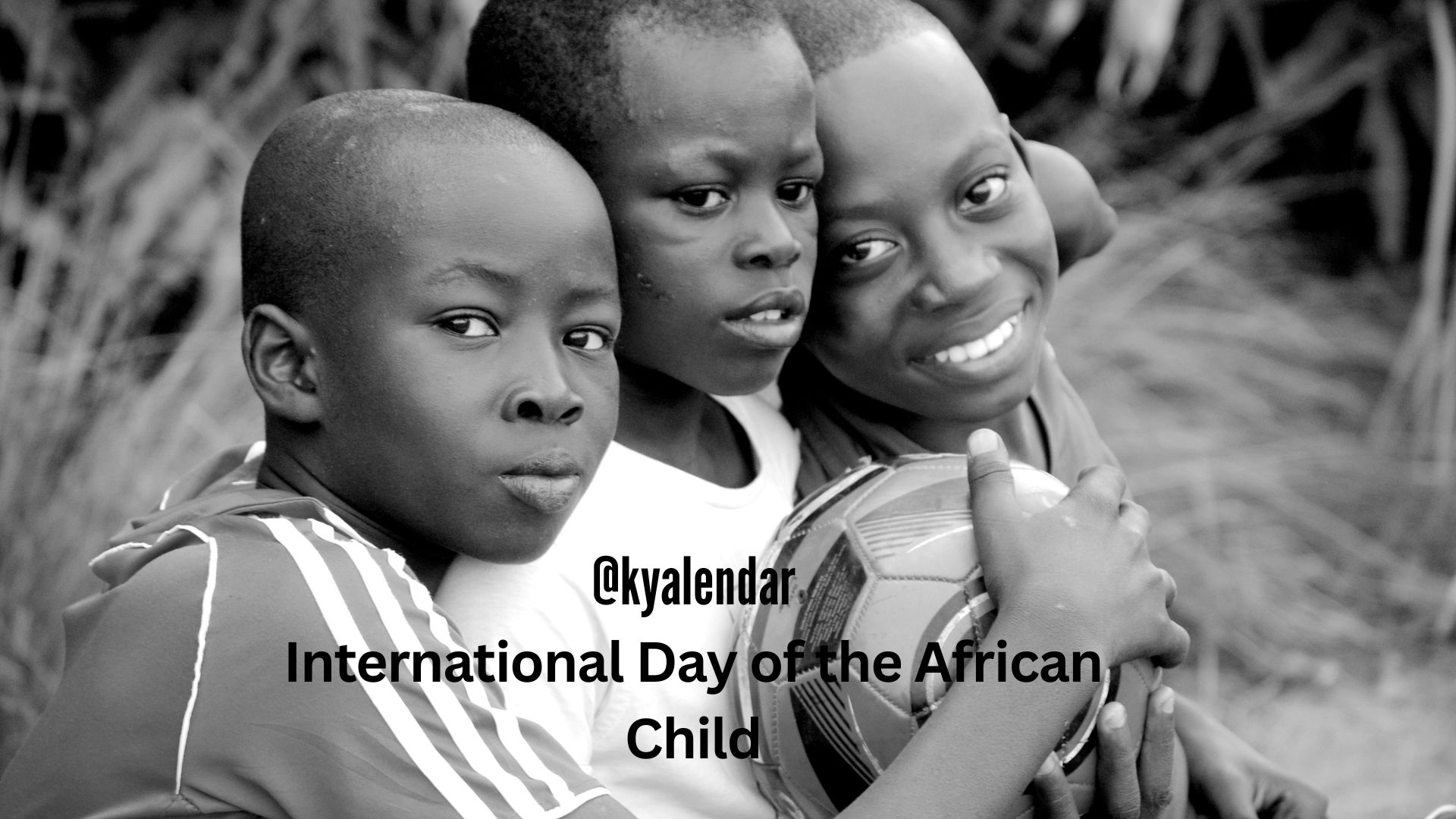
International Day of the African Child is observed annually on 16th June, a day that commemorates the courage and resilience of children across Africa while drawing attention to the challenges they face. Established by the Organisation of African Unity (now the African Union) in 1991, this day remembers the tragic events of 1976 when thousands of black school children in Soweto, South Africa, marched in protest against the poor quality of their education and the imposition of Afrikaans as the medium of instruction in their schools. The apartheid police brutally responded, leading to the deaths of hundreds of young students. This uprising, known as the Soweto Uprising, became a defining moment in the struggle against apartheid.
The Significance of International Day of the African Child
The observance of this day goes beyond commemorating the events of Soweto; it serves as an opportunity to reflect on the current realities faced by children in Africa. Despite significant progress in some areas, African children continue to face numerous challenges, including poverty, inequality, lack of access to quality education, and child labour. By dedicating a day to these issues, the international community aims to raise awareness, foster dialogue, and push for policies that improve the welfare and rights of children across the continent.
The day is also a reminder of the importance of education, which remains a central focus. Education is seen as a key tool in breaking the cycle of poverty, promoting peace, and fostering development. However, access to quality education remains a challenge for millions of children in Africa due to inadequate infrastructure, conflict, and socio-economic barriers.
Themes and Focus
Each year, the African Union selects a theme for International Day of the African Child to highlight specific issues related to children’s rights. These themes often focus on critical areas such as education, health, protection from violence, and child rights in the context of migration or displacement. These themes guide the activities and discussions held on this day, and they help to focus the attention of governments, organisations, and the international community on actionable steps that can be taken to improve the situation for African children.
For example, in recent years, the themes have focused on the need for free, quality, and compulsory education for all children in Africa and the importance of addressing the needs of children in conflict zones. These themes are a call to action, urging governments to invest more in the future of their youngest citizens and to ensure that all children, regardless of their circumstances, have the opportunity to reach their full potential.
Challenges Faced by African Children
African children face a range of challenges that affect their well-being, education, and future opportunities. Poverty remains one of the most significant issues, with millions of children living in conditions that deny them access to basic necessities such as food, clean water, and healthcare. Many children are forced into child labour or early marriage, depriving them of the chance to attend school and enjoy their childhood.
Conflict and political instability in some African countries further exacerbate these problems. In regions affected by war or violence, children often become refugees or internally displaced, with limited access to education and other essential services. They may also be exposed to violence, exploitation, or recruitment into armed groups, further compromising their safety and well-being.
Health challenges are also prevalent, with many children in Africa suffering from preventable diseases such as malaria, diarrhoea, and malnutrition. While progress has been made in reducing child mortality rates, the continent still has some of the highest child mortality rates in the world.
Additionally, the lack of access to quality education remains a significant barrier for many African children. While enrolment in primary education has improved in recent years, the quality of education often remains poor, with overcrowded classrooms, insufficient resources, and poorly trained teachers. For girls, the challenges are often even greater, as they may face cultural or societal barriers that prevent them from attending school.
Efforts to Improve the Lives of African Children
International Day of the African Child is an important reminder of the need for continued efforts to improve the lives of children across Africa. Governments, non-governmental organisations, and international agencies have made strides in addressing some of the challenges facing African children, but there is still much work to be done.
Efforts to improve access to education have been a central focus, with many initiatives aimed at building schools, training teachers, and providing scholarships for children in need. There is also a growing recognition of the importance of addressing the specific needs of girls and ensuring that they have equal opportunities to receive an education.
In terms of health, there have been significant efforts to improve access to healthcare services for children, particularly in rural areas. Vaccination programmes, efforts to combat malnutrition, and initiatives to provide clean water and sanitation have all contributed to improving the health of children in many parts of Africa.
Organisations working to end child labour and child marriage have also made progress, raising awareness of the issue and working with communities to change cultural norms and practices that harm children. However, these efforts must continue, and more resources need to be dedicated to protecting children’s rights across the continent.
The Future of Africa’s Children
The future of Africa is deeply intertwined with the future of its children. By investing in education, healthcare, and protection for all children, African countries can lay the foundation for a more prosperous and peaceful future. International Day of the African Child serves as a powerful reminder of the need to prioritise children’s rights and well-being in development agendas.
The day calls on everyone—governments, international organisations, civil society, and individuals—to take action and work together to create a better world for African children. Whether it’s through supporting policies that improve access to education, advocating for child rights, or raising awareness about the challenges facing African children, everyone can contribute to the movement for a brighter, more just future for the continent’s youngest generation.
In conclusion, International Day of the African Child is a day of both reflection and action. It is a time to remember the past struggles for equality and justice and to look forward to a future where every African child can grow up in a world that respects their rights, supports their dreams, and allows them to thrive.