
- This event has passed.
Hari Raya Haji
June 7, 2025
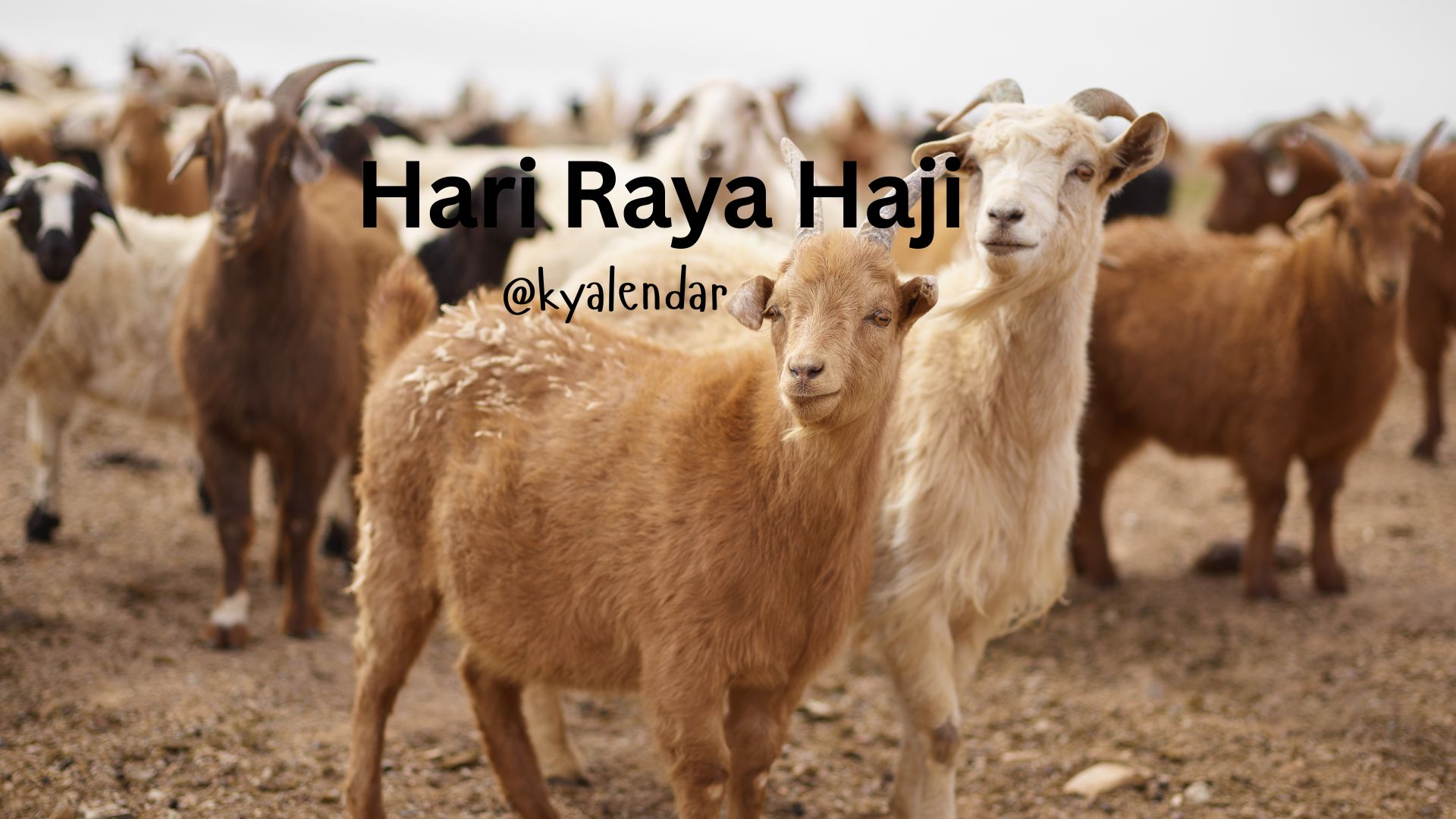
Hari Raya Haji, also known as Eid al-Adha or the Festival of Sacrifice, is one of the most significant religious observances in Islam. It commemorates the willingness of the Prophet Ibrahim (Abraham) to sacrifice his son as an act of obedience to God’s command. The day serves as a profound reminder of faith, obedience, and the importance of charity within the Muslim community.
Historical Context
The story of Ibrahim’s willingness to sacrifice his son, Isma’il (Ishmael), is central to the significance of Hari Raya Haji. According to Islamic tradition, Ibrahim received a divine command in a dream instructing him to sacrifice his son. Demonstrating unwavering faith, Ibrahim prepared to carry out this command. However, at the last moment, God intervened, providing a ram to sacrifice instead. This act of obedience is commemorated by Muslims worldwide through the practice of Qurbani, or animal sacrifice.
Timing of Hari Raya Haji
Hari Raya Haji falls on the 10th day of Dhu al-Hijjah, the last month of the Islamic lunar calendar. The date varies each year based on the sighting of the moon, which means it can occur at different times in different countries. The celebration lasts for several days, with the first day being the most significant, marked by prayers, feasting, and the sacrifice of animals.
Observances and Rituals
- Prayers: The day begins with congregational prayers held at mosques and open fields. Muslims gather to perform the special Eid al-Adha prayer, which consists of two units (rakats). This prayer is usually performed in the morning after the sun has risen.
- Sermon: Following the prayers, the imam delivers a sermon (khutbah) that focuses on the values of sacrifice, compassion, and charity. The message often emphasises the importance of faith and the responsibilities of Muslims towards one another and the community.
- Qurbani (Animal Sacrifice): One of the most significant practices of Hari Raya Haji is the sacrifice of an animal, typically a sheep, goat, cow, or camel. This act is a form of worship and a way to share blessings with those in need. The meat from the sacrificed animal is usually divided into three parts: one-third for the family, one-third for relatives and friends, and one-third for the poor and needy. This sharing reflects the core values of compassion and generosity in Islam.
- Feasting and Celebration: After the prayers and the sacrifices, families gather to enjoy festive meals. Traditional dishes vary by culture and region, but they often include lamb, rice, and sweets. It is a time for family and community bonding, with many people visiting each other’s homes to share meals and greetings.
- Charity and Giving: Hari Raya Haji is also a time for increased charity and helping those less fortunate. Muslims are encouraged to give to the poor, not only through the distribution of meat from the Qurbani but also through monetary donations to charitable organisations. This emphasis on helping others underscores the spirit of the festival.
Cultural Variations
While the core principles of Hari Raya Haji remain consistent, the ways in which it is celebrated can vary significantly across different cultures and countries. In regions like Indonesia, Malaysia, and Brunei, the day is marked with unique customs, traditional foods, and local festivities. In many Middle Eastern countries, the festival includes grand feasts and public celebrations, with various entertainment activities.
In places with significant Muslim populations, such as Turkey, Egypt, and Pakistan, the holiday can extend beyond individual families to include larger community celebrations, showcasing the cultural diversity within the Islamic world.
Conclusion
Hari Raya Haji is a profound observance that holds deep spiritual significance for Muslims around the globe. It embodies the values of sacrifice, obedience, and generosity while providing an opportunity for communal worship and reflection. As Muslims gather to pray, sacrifice, and share meals, they reinforce their commitment to their faith and their responsibility towards one another. This festival not only commemorates a pivotal moment in Islamic history but also fosters a sense of unity and compassion within communities, making it a cherished occasion for millions. As the holiday approaches, it serves as a reminder of the importance of faith, family, and the spirit of giving, reinforcing the bonds that connect individuals within the global Muslim community.