
- This event has passed.
Colombia’s Independence Day
July 20, 2025
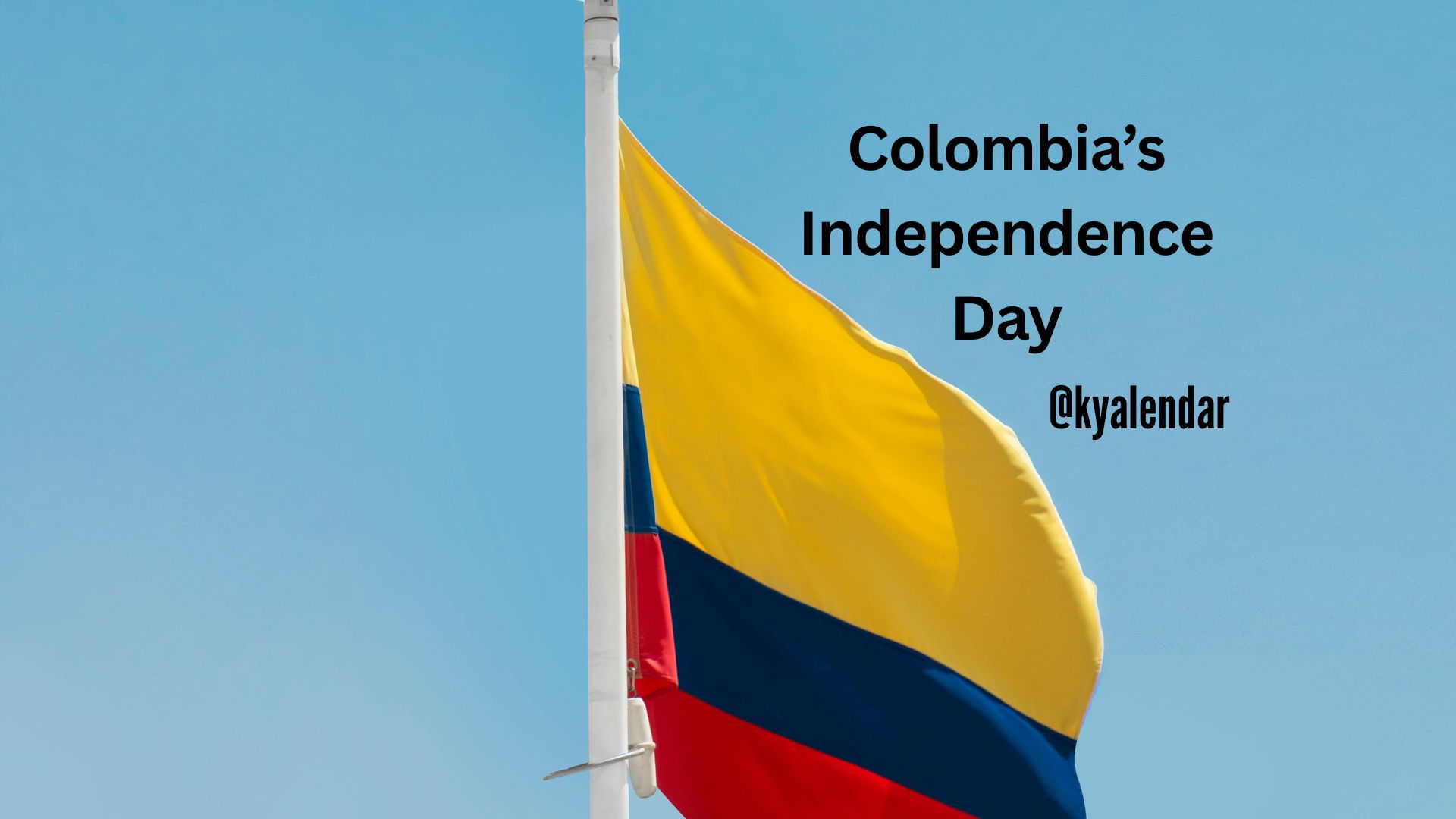
Colombia’s Independence Day, celebrated on July 20th each year, is a significant national holiday that marks the country’s liberation from Spanish colonial rule. This day commemorates the struggle for sovereignty, the rich cultural heritage, and the resilience of the Colombian people.
Historical Background
The journey to independence in Colombia began in the early 19th century amid a wave of revolutionary fervour sweeping across Latin America. The seeds of discontent were sown in the late 1700s and early 1800s, as the Colombian populace grew increasingly frustrated with Spanish rule. Economic exploitation, social inequality, and political exclusion fueled a desire for autonomy.
On July 20, 1810, the situation reached a boiling point. In Bogotá, a group of patriots took a stand against Spanish authorities after a local incident involving a disputed flower vase. This seemingly trivial event sparked protests and ultimately led to a declaration of independence from Spain. It was a pivotal moment that ignited a series of uprisings throughout the country, culminating in a protracted struggle for freedom.
Despite the initial declaration, the road to complete independence was fraught with challenges. The conflict continued for several years, involving a series of battles and shifting alliances. It wasn’t until August 7, 1819, with the decisive victory at the Battle of Boyacá, that Colombia began to secure its independence fully. The struggles of the patriots during this tumultuous period laid the foundation for a new nation.
Celebrating Independence Day
Colombia’s Independence Day is a vibrant celebration of national pride and cultural identity. It is marked by a variety of festivities that reflect the country’s diverse heritage. Here’s how Colombians commemorate this significant day:
- Parades and Public Events: Major cities across Colombia, especially Bogotá, host grand parades featuring colourful floats, traditional music, and folkloric dances. These events showcase the rich cultural tapestry of the nation, highlighting regional traditions and the talents of local performers.
- Ceremonial Activities: Official ceremonies are held, including speeches from government officials and leaders. The raising of the national flag and the singing of the national anthem are integral parts of these events, reinforcing the collective spirit of patriotism.
- Cultural Exhibitions: Museums and cultural institutions organise exhibitions that delve into Colombia’s history, showcasing artefacts, artworks, and narratives that illustrate the country’s journey to independence. These exhibitions serve to educate both citizens and visitors about the significance of the day.
- Traditional Food and Drink: Food plays a vital role in the celebrations, with families and communities coming together to enjoy traditional Colombian dishes. Popular foods during Independence Day include arepas, empanadas, and lechona. Refreshing beverages like aguapanela and the famous Colombian coffee are also served, embodying the country’s culinary heritage.
- Music and Dance: Music is a cornerstone of Colombian culture, and Independence Day celebrations are no exception. Traditional rhythms such as cumbia, vallenato, and salsa fill the air, inviting people to dance and revel in the joyous atmosphere. Local bands often perform in public squares, adding to the festive spirit.
- Fireworks and Festivities: As the day draws to a close, fireworks light up the night sky in many cities, symbolising the victory and freedom achieved through years of struggle. These displays create a sense of unity and celebration, as families gather to witness the spectacle.
- Reflecting on Heritage: For many Colombians, Independence Day is also a time for reflection on the nation’s history and the sacrifices made by those who fought for freedom. It is an opportunity to honour the heroes of the past and recognise the ongoing journey towards peace and reconciliation in a country marked by its complex history.
Significance of Independence Day
Colombia’s Independence Day is more than just a celebration of historical events; it is a day that encapsulates the spirit of unity, resilience, and hope for the future. It serves as a reminder of the sacrifices made by countless individuals who fought for the rights and freedoms enjoyed by Colombians today.
The day also promotes a sense of national identity and pride among Colombians, regardless of their backgrounds. It fosters a collective understanding of the nation’s shared history and encourages dialogue about the challenges that continue to shape Colombia’s path.
In a world that often grapples with division and conflict, Independence Day offers a moment for Colombians to come together, celebrate their diversity, and embrace their common values. It serves as a beacon of hope, inspiring generations to continue striving for a peaceful and prosperous future.
Conclusion
Colombia’s Independence Day on July 20th is a vibrant celebration of freedom, culture, and national identity. It honours the rich history of a nation that fought valiantly for its sovereignty and provides an opportunity for Colombians to reflect on their shared journey. As festivities unfold across the country, the spirit of unity and resilience shines brightly, reminding all of the importance of freedom and the values that underpin a thriving society. Through parades, music, food, and reflection, Colombians celebrate their independence with pride, cherishing the legacy of those who paved the way for a brighter future.
Details
- Date: July 20, 2025