
- This event has passed.
Christopher Street Day
June 28, 2025
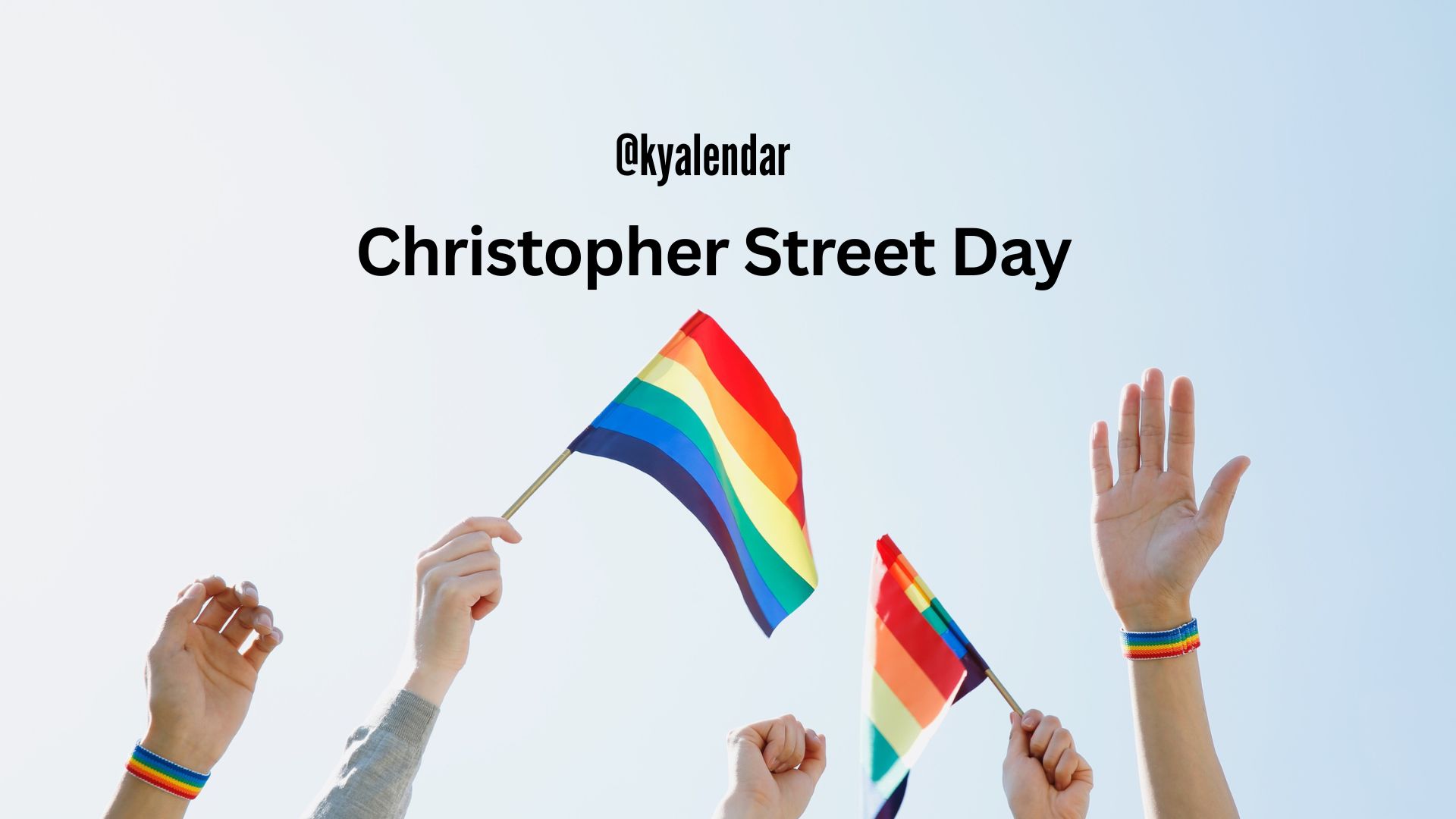
Christopher Street Day (CSD) is an annual event celebrated in many countries, particularly in Europe, to honour and commemorate the 1969 Stonewall Riots in New York City. These riots, which took place at the Stonewall Inn on Christopher Street, are widely regarded as a turning point in the LGBTQ+ rights movement, marking the beginning of the fight for equal rights and greater societal acceptance for lesbian, gay, bisexual, transgender, and queer people. The celebration of CSD is synonymous with Pride parades and marches, promoting visibility, equality, and the ongoing struggle against discrimination.
The Historical Context: The Stonewall Riots
To understand Christopher Street Day, it’s essential to look back at the events of June 1969. In the 1960s, the LGBTQ+ community faced harsh legal and social discrimination in many parts of the world, including in the United States. Bars that catered to LGBTQ+ individuals were regularly raided by the police, and patrons often faced harassment, arrests, and abuse. On the night of June 28, 1969, the police raided the Stonewall Inn in Greenwich Village, a popular gathering place for the LGBTQ+ community. However, instead of dispersing, patrons and local residents fought back, sparking days of protests and clashes with law enforcement.
The Stonewall Riots became a catalyst for the modern LGBTQ+ rights movement, leading to the establishment of advocacy groups and the rise of activism. Christopher Street, the location of the Stonewall Inn, became a symbol of resistance and hope, and it is from this location that Christopher Street Day derives its name.
The Origins of Christopher Street Day
Christopher Street Day first began in Germany in the early 1970s, as part of a broader movement to raise awareness of LGBTQ+ rights in Europe. The first CSD parade took place in West Berlin on 30th June 1979, just a decade after the Stonewall Riots. Over the years, CSD spread to other German cities and various countries across Europe, becoming one of the most significant LGBTQ+ pride celebrations on the continent.
The name “Christopher Street Day” is still primarily used in German-speaking countries, although in many other parts of the world, the event is known simply as “Pride” or “Pride Parade”. Despite the difference in name, the message and purpose remain the same: to celebrate diversity, promote LGBTQ+ rights, and continue the fight for equality.
Celebrations and Parades
Christopher Street Day celebrations are marked by vibrant parades, marches, and street festivals that bring together members of the LGBTQ+ community, allies, activists, and supporters. These parades are not only a celebration of identity but also a form of protest, as they highlight the ongoing challenges faced by the LGBTQ+ community. Participants often carry banners, wear colourful outfits, and wave rainbow flags, which have become a global symbol of LGBTQ+ pride and solidarity.
In major cities like Berlin, Cologne, and Munich, the parades attract hundreds of thousands of people, making them among the largest LGBTQ+ events in Europe. These events often feature speeches from activists, performances by musicians and drag artists, and booths run by various LGBTQ+ organisations and charities. The atmosphere is celebratory, but it also serves as a reminder of the struggles for equality and acceptance that still persist.
The Significance of CSD Today
While great strides have been made in advancing LGBTQ+ rights since the Stonewall Riots, Christopher Street Day continues to play a crucial role in raising awareness about the issues still facing the community. In many countries, LGBTQ+ individuals continue to face discrimination, violence, and legal inequality. CSD provides an opportunity to shine a light on these challenges, advocating for further progress on issues such as marriage equality, transgender rights, and protection from hate crimes.
Additionally, CSD serves as a powerful reminder of the importance of visibility. For many LGBTQ+ individuals, especially those who may feel marginalised or isolated, seeing a large, inclusive celebration can be incredibly empowering. The sense of community and solidarity found at CSD events can provide hope and a sense of belonging to those who may otherwise feel excluded.
CSD’s Global Influence
While Christopher Street Day began in Germany, its impact has been felt across the world. Many countries have their own versions of CSD or Pride celebrations, each shaped by the local political and social context. In countries where LGBTQ+ rights are more widely accepted, the focus of the parades may be on celebrating progress and promoting inclusivity. In other parts of the world, where LGBTQ+ rights are still restricted or non-existent, the parades can be acts of defiance and courage in the face of oppression.
In cities like London, New York, and Sydney, Pride parades have grown to become massive cultural events that attract participants from all walks of life. In some places, these events have become mainstream celebrations, attended by families, corporations, and politicians, symbolising the progress that has been made in terms of LGBTQ+ acceptance. However, the roots of these celebrations remain deeply political, and they continue to serve as a platform for advocating for further change.
Conclusion
Christopher Street Day is more than just a celebration; it is a movement that honours the past struggles of the LGBTQ+ community while pushing for a future of greater equality and acceptance. Whether called CSD, Pride, or something else, the message is universal: love, equality, and human rights for all. It stands as a reminder of the courage of those who fought at Stonewall and as an inspiration for continued activism in the face of ongoing challenges.
Through its parades, festivals, and activism, CSD embodies the spirit of the LGBTQ+ rights movement, offering hope, pride, and a sense of community to millions around the world.