
- This event has passed.
Arctic Sea Ice Day
July 15, 2025
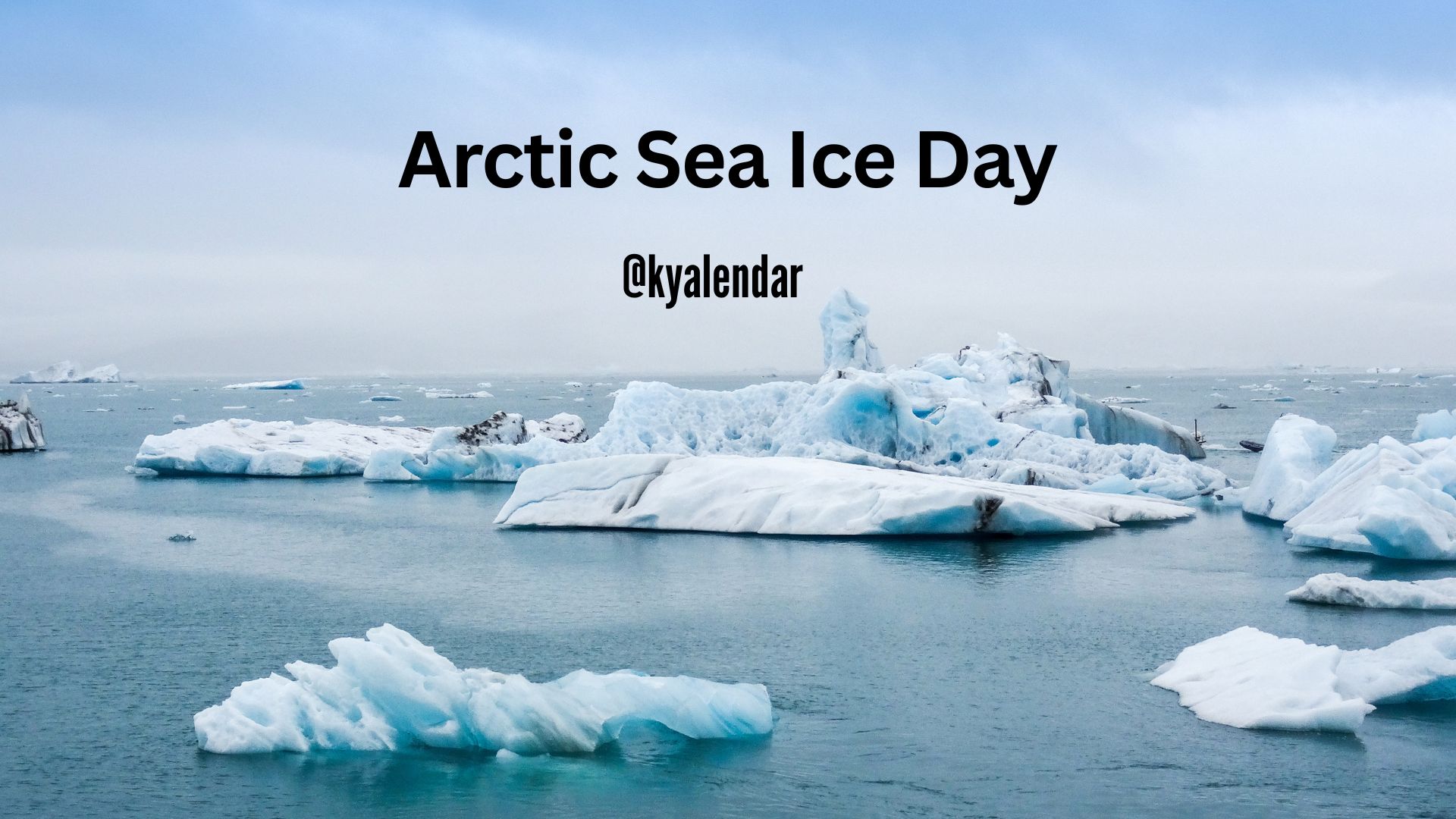
Arctic Sea Ice Day is observed annually on July 15th, a day dedicated to raising awareness about the importance of Arctic sea ice and the challenges it faces due to climate change. This observance serves as a reminder of the vital role that sea ice plays in the global climate system and the ecosystems it supports. As temperatures rise and ice continues to diminish, understanding the implications of these changes becomes increasingly critical.
The Significance of Arctic Sea Ice
Arctic sea ice is more than just frozen water; it is a crucial component of the Earth’s climate system. The ice acts as a reflective surface, bouncing sunlight back into space, which helps to regulate global temperatures. The presence of sea ice also influences ocean currents and weather patterns, making it integral to the health of the planet.
Furthermore, Arctic sea ice provides habitat for various species, including polar bears, seals, and seabirds. These animals rely on the ice for hunting, breeding, and resting. The melting of sea ice disrupts these ecosystems, leading to significant changes in wildlife populations and behaviours.
The Effects of Climate Change
Over the past few decades, Arctic sea ice has experienced alarming declines due to climate change. Rising global temperatures, primarily driven by human activities, have led to significant reductions in both the extent and thickness of Arctic ice. This reduction poses serious consequences not only for the local environment but also for global weather patterns.
As the ice diminishes, darker ocean waters are exposed, which absorb more heat from the sun. This feedback loop accelerates the warming of the region and further contributes to ice loss. The changes in the Arctic are not isolated; they impact weather systems across the globe, leading to extreme weather events, altered precipitation patterns, and rising sea levels.
Observing Arctic Sea Ice Day
Arctic Sea Ice Day aims to educate the public about these crucial issues and inspire action to protect the Arctic environment. Various organisations, educational institutions, and community groups participate in activities and events to mark the day. These may include workshops, webinars, educational talks, and community outreach programmes.
Many events focus on providing information about the science of climate change and its effects on sea ice. Experts often share their research findings, helping people understand the urgency of the situation and the importance of addressing climate change.
Promoting Advocacy and Action
In addition to raising awareness, Arctic Sea Ice Day encourages individuals to take action in their own communities. Advocacy efforts often include promoting policies that aim to reduce greenhouse gas emissions, protect Arctic habitats, and support sustainable practices. By engaging in discussions about climate change and its effects on the Arctic, individuals can become advocates for change.
Social media also plays a significant role in spreading awareness about Arctic Sea Ice Day. Many people share information, infographics, and personal stories online, contributing to a global conversation about the importance of protecting the Arctic environment. Hashtags such as #ArcticSeaIceDay allow participants to connect and share their messages widely.
Educational Resources and Community Engagement
Educational institutions frequently take the opportunity to incorporate lessons about Arctic sea ice into their curricula around this day. Activities may include science projects, art competitions, and interactive discussions that engage students in learning about climate change and its effects on the environment.
Community groups may organise local clean-up events or initiatives to promote sustainability, emphasising the importance of protecting the environment in everyday life. Such initiatives help to foster a sense of responsibility among individuals regarding their impact on the planet.
The Role of Indigenous Communities
Indigenous communities play a crucial role in the discussion surrounding Arctic sea ice. Many Indigenous peoples have lived in the Arctic for generations and possess a deep understanding of the land and its ecosystems. Their traditional knowledge is invaluable in addressing climate change and its effects on the region.
Arctic Sea Ice Day encourages collaboration between scientific communities and Indigenous knowledge holders. By integrating Indigenous perspectives into climate discussions, there is an opportunity to develop more holistic and effective approaches to environmental protection.
Conclusion
Arctic Sea Ice Day serves as a vital reminder of the significance of Arctic sea ice in our planet’s climate system and the urgent need to address the challenges it faces. By raising awareness, promoting advocacy, and encouraging community engagement, this day aims to inspire individuals to take action for the protection of the Arctic environment.
As the effects of climate change continue to intensify, understanding the importance of Arctic sea ice becomes crucial for ensuring the health of our planet. Through education, collaboration, and advocacy, we can work together to safeguard this fragile ecosystem for future generations.