
- This event has passed.
International Owl Awareness Day
August 4, 2025
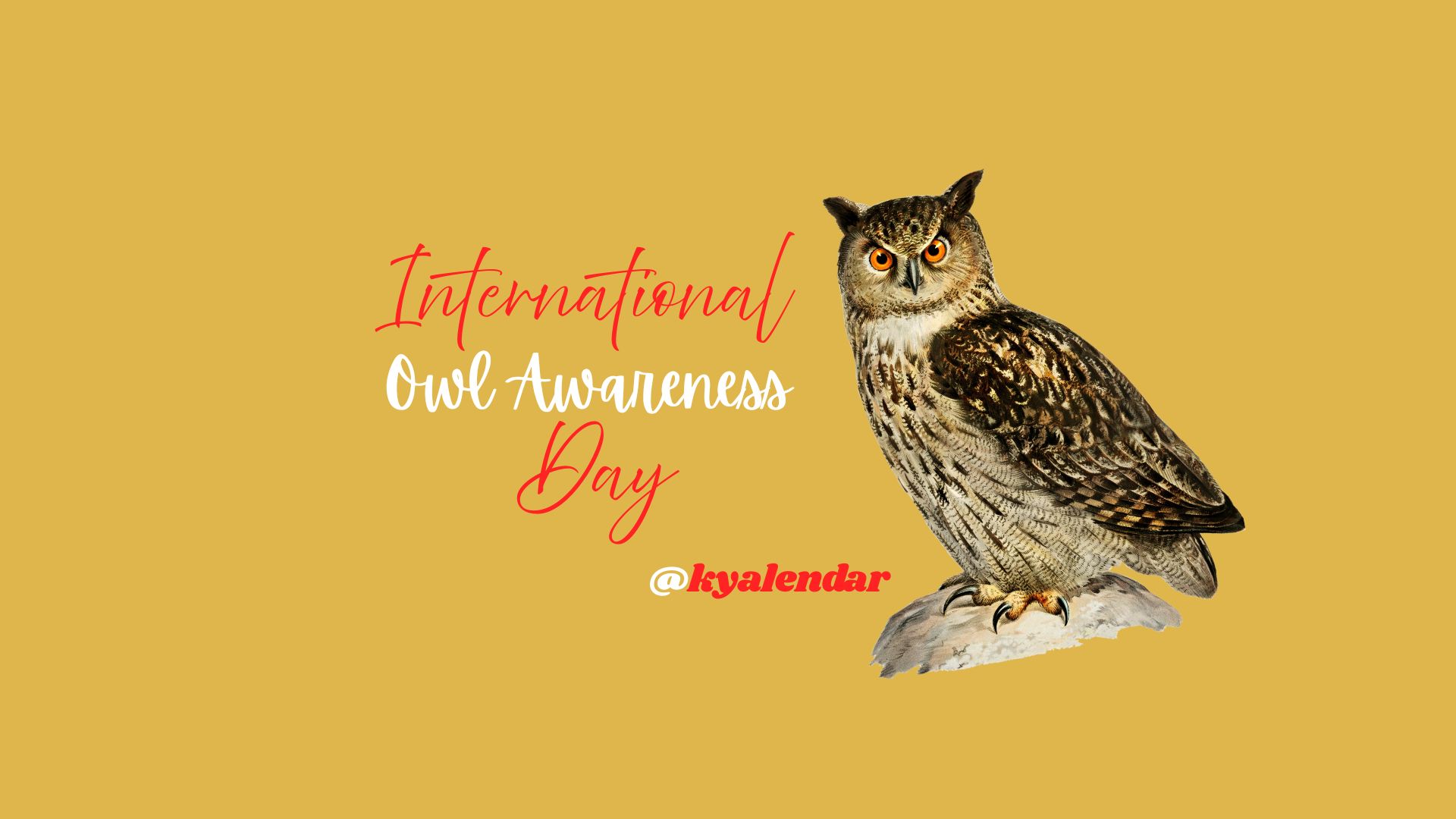
International Owl Awareness Day, celebrated annually on 4th August, is a special occasion dedicated to increasing public understanding and appreciation of these magnificent birds. Owls have fascinated humans for centuries, appearing in myths, folklore, literature, and various cultural symbols across the world. This day not only highlights their beauty and mystery but also raises awareness about the challenges they face in the wild, aiming to promote conservation efforts to protect these majestic creatures.
Significance of Owls
Owls are one of nature’s most iconic birds, known for their distinct features like large eyes, flat faces, sharp talons, and silent flight. They have become symbols of wisdom and mystery in many cultures, often depicted as mystical creatures. However, beyond their cultural significance, owls play an essential role in ecosystems as apex predators. Their ability to control rodent populations is crucial for maintaining balance in agricultural areas and preventing the spread of disease.
Despite their importance, many species of owls are facing serious threats. Habitat loss, environmental changes, and human activity have placed a strain on their populations. This is why International Owl Awareness Day serves as an opportunity to educate the public about the critical need for conservation and the role everyone can play in protecting these extraordinary birds.
The Purpose of International Owl Awareness Day
The primary goal of International Owl Awareness Day is to promote knowledge and understanding of owls and their ecological importance. It seeks to dispel misconceptions about these birds, as owls are often misunderstood due to their nocturnal nature and eerie calls. By celebrating this day, conservationists, bird enthusiasts, and nature organisations aim to spread awareness about owl species, their habitats, and the urgent need to preserve their environments.
Threats Facing Owls
Owls are found on almost every continent, except Antarctica, and inhabit diverse environments, from forests and deserts to urban areas. Unfortunately, owls face numerous challenges in the wild. Some of the primary threats include:
- Habitat Destruction: Deforestation, urban expansion, and agriculture have led to the destruction of owl habitats. Without suitable places to hunt, nest, and raise their young, owl populations are declining in several regions.
- Climate Change: Changing weather patterns affect prey availability and nesting sites for owls. This can disrupt their breeding cycles and impact their ability to survive in certain areas.
- Human Disturbance: Increased human activity, including road traffic and light pollution, can disturb owls’ natural behaviours. Many owls, such as the barn owl, often fall victim to road accidents as they fly low over open areas.
- Poaching and Illegal Trade: Owls are sometimes captured for illegal wildlife trade, often due to their association with magic and witchcraft in some cultures. This illegal activity further threatens their populations.
- Pesticides and Poisoning: The use of pesticides and rodenticides in agricultural areas can poison the food chain. Owls that prey on contaminated rodents can be affected, leading to illness or death.
Raising Awareness
On International Owl Awareness Day, numerous activities and events are organised worldwide to engage people of all ages. Educational talks, bird-watching tours, and owl-themed activities are commonly held to give individuals a chance to learn more about these birds. Wildlife centres, zoos, and conservation organisations often participate in spreading information on owl biology, behaviour, and conservation strategies.
Conservation Efforts
Conservationists and researchers are working hard to protect owls and their habitats through various initiatives:
- Habitat Protection: Preserving and restoring natural habitats is a key conservation strategy. Protecting forests and woodlands from deforestation helps provide owls with suitable nesting and hunting grounds.
- Artificial Nesting Boxes: In areas where natural nesting sites are scarce, artificial nesting boxes are used to help owls find safe places to breed. This has been particularly successful for species like the barn owl.
- Research and Monitoring: Scientists continue to study owl populations to monitor their numbers and understand the challenges they face. This data helps guide conservation efforts and implement protection measures.
- Public Education: Educating the public about the importance of owls is crucial. Campaigns aimed at reducing the use of harmful pesticides, promoting eco-friendly farming, and creating awareness about the dangers of illegal wildlife trade have a significant impact on owl conservation.
How You Can Help
There are several ways individuals can contribute to owl conservation efforts:
- Support Conservation Organisations: Donating to or volunteering with organisations that focus on protecting owls and their habitats can make a big difference. These organisations often work to rescue injured owls, conduct research, and advocate for wildlife protection policies.
- Be Mindful of Pesticides: Reducing or eliminating the use of pesticides and rodenticides can protect owls from secondary poisoning. Eco-friendly pest control methods can prevent harm to both prey species and their predators.
- Create Owl-Friendly Spaces: If you have a garden or live in a rural area, creating spaces that encourage biodiversity can attract owls. Planting native trees, shrubs, and wildflowers provides habitats for small mammals, which are a food source for owls.
- Spread Awareness: Sharing information about the importance of owl conservation on social media or with friends and family can help raise awareness. Every bit of knowledge shared contributes to the collective effort to protect these magnificent birds.
Conclusion
International Owl Awareness Day is a reminder of the beauty and importance of owls in our world. While they are creatures often shrouded in mystery, their role in maintaining the balance of ecosystems is undeniable. By raising awareness and promoting conservation efforts, we can help ensure that future generations will continue to experience the awe and wonder of these incredible birds. Whether it’s through supporting wildlife organisations, creating owl-friendly environments, or simply learning more about these nocturnal creatures, every action counts in the effort to protect owls and their habitats.