
- This event has passed.
Space Exploration Day
July 20, 2025
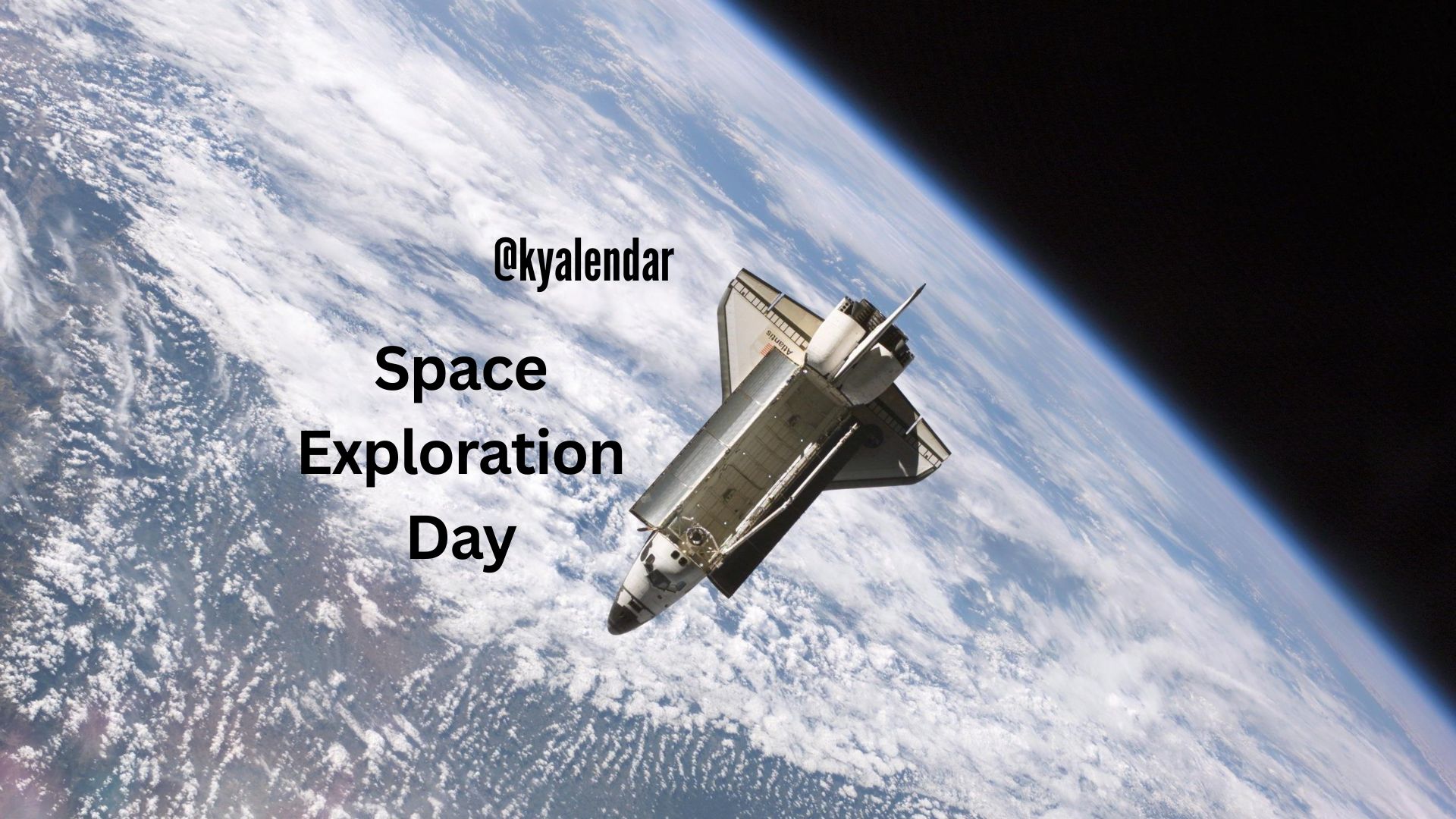
Space Exploration Day, observed on July 20th each year, is a day dedicated to celebrating the milestones and achievements of humanity in exploring the cosmos. It is a time to reflect on the incredible advancements in space technology, the brave astronauts who have ventured into the unknown, and the scientific discoveries that have reshaped our understanding of the universe. This day encourages individuals and communities to engage with the wonders of space exploration, fostering curiosity and inspiring future generations.
The Significance of July 20th
The date of Space Exploration Day holds particular significance as it marks the anniversary of the Apollo 11 lunar landing in 1969. On this historic day, astronauts Neil Armstrong and Buzz Aldrin became the first humans to set foot on the Moon, while Michael Collins orbited above in the command module. Armstrong’s famous words, “That’s one small step for [a] man, one giant leap for mankind,” captured the essence of this monumental achievement, symbolising human ingenuity, perseverance, and the unyielding quest for knowledge. The Apollo 11 mission not only showcased the capabilities of space travel but also united people around the globe in awe and wonder.
Celebrating Space Exploration Day
Space Exploration Day provides a fantastic opportunity for people of all ages to engage with the field of space science and exploration. Here are several ways to celebrate this inspiring day:
- Educational Activities: Schools and educational institutions often organise special lessons or activities centred around space exploration. This could include interactive presentations about the solar system, discussions on recent space missions, or experiments related to gravity and space travel. Engaging students with hands-on activities can spark their interest in science and engineering.
- Planetarium Visits: Visiting a planetarium or science museum can be an exciting way to learn about space. Many planetariums host special shows or events on Space Exploration Day, offering immersive experiences that educate visitors about the universe, celestial bodies, and the technology behind space travel.
- Astronomy Nights: Organise a stargazing event in your community or backyard. With telescopes and binoculars, participants can observe stars, planets, and other celestial objects. Local astronomy clubs often hold public events, providing expert guidance and sharing knowledge about the night sky.
- Movie Screenings: Host a movie night featuring films that explore the theme of space. Classics like “Apollo 13,” “Interstellar,” or animated films like “Wall-E” can entertain and educate audiences about the challenges and wonders of space exploration.
- Space-Themed Crafts: For families, engaging in space-themed crafts can be a fun way to celebrate. Creating model rockets, designing alien creatures, or painting representations of the solar system can be enjoyable activities that encourage creativity while learning about space.
- Follow Current Missions: Keep abreast of ongoing space missions and news. Agencies like NASA, ESA (European Space Agency), and private companies like SpaceX are continually making headlines with new developments. Follow their social media accounts or websites for updates on launches, discoveries, and upcoming missions.
- Virtual Events and Webinars: Many organisations host virtual events, webinars, or live streams that delve into various aspects of space exploration. These sessions often feature astronauts, scientists, and engineers sharing their experiences and insights, making it an excellent opportunity to learn from experts in the field.
The Importance of Space Exploration
Space exploration plays a vital role in advancing human knowledge and technology. Here are some of the key reasons why it is significant:
- Scientific Discoveries: Space exploration has led to groundbreaking discoveries about our universe, from understanding planetary systems to discovering new celestial bodies. It has expanded our knowledge of phenomena such as black holes, dark matter, and the origins of the universe.
- Technological Advancement: The challenges of space travel have driven technological innovation. Many everyday technologies, such as satellite communications, GPS, and even materials used in sports equipment, originated from research and developments in space exploration.
- Inspiration for Future Generations: Space exploration inspires young minds to pursue careers in science, technology, engineering, and mathematics (STEM). The achievements of astronauts and scientists serve as role models, encouraging students to dream big and aspire to push the boundaries of human knowledge.
- International Collaboration: Space exploration often involves collaboration between countries, fostering peaceful relations and cooperation. Projects like the International Space Station (ISS) demonstrate how nations can work together towards a common goal, transcending borders and cultural differences.
- Understanding Earth and Beyond: Studying other planets and celestial bodies provides valuable insights into our own planet’s history and future. Understanding the atmospheres, geology, and climates of other worlds can inform efforts to address challenges like climate change on Earth.
Conclusion
Space Exploration Day is not just a celebration of past achievements; it is a call to action for all of us to remain curious and engaged with the wonders of the universe. As we honour the pioneers of space travel and reflect on the incredible advancements in this field, let us also inspire the next generation of explorers and scientists. Whether through education, community events, or simply gazing at the stars, each of us can play a role in fostering a love for space and encouraging a future where exploration and discovery continue to thrive. So, on this special day, let’s take a moment to appreciate the vastness of the cosmos and the incredible journey humanity has undertaken to explore it.