
- This event has passed.
National Atomic Veterans Day
July 16, 2025
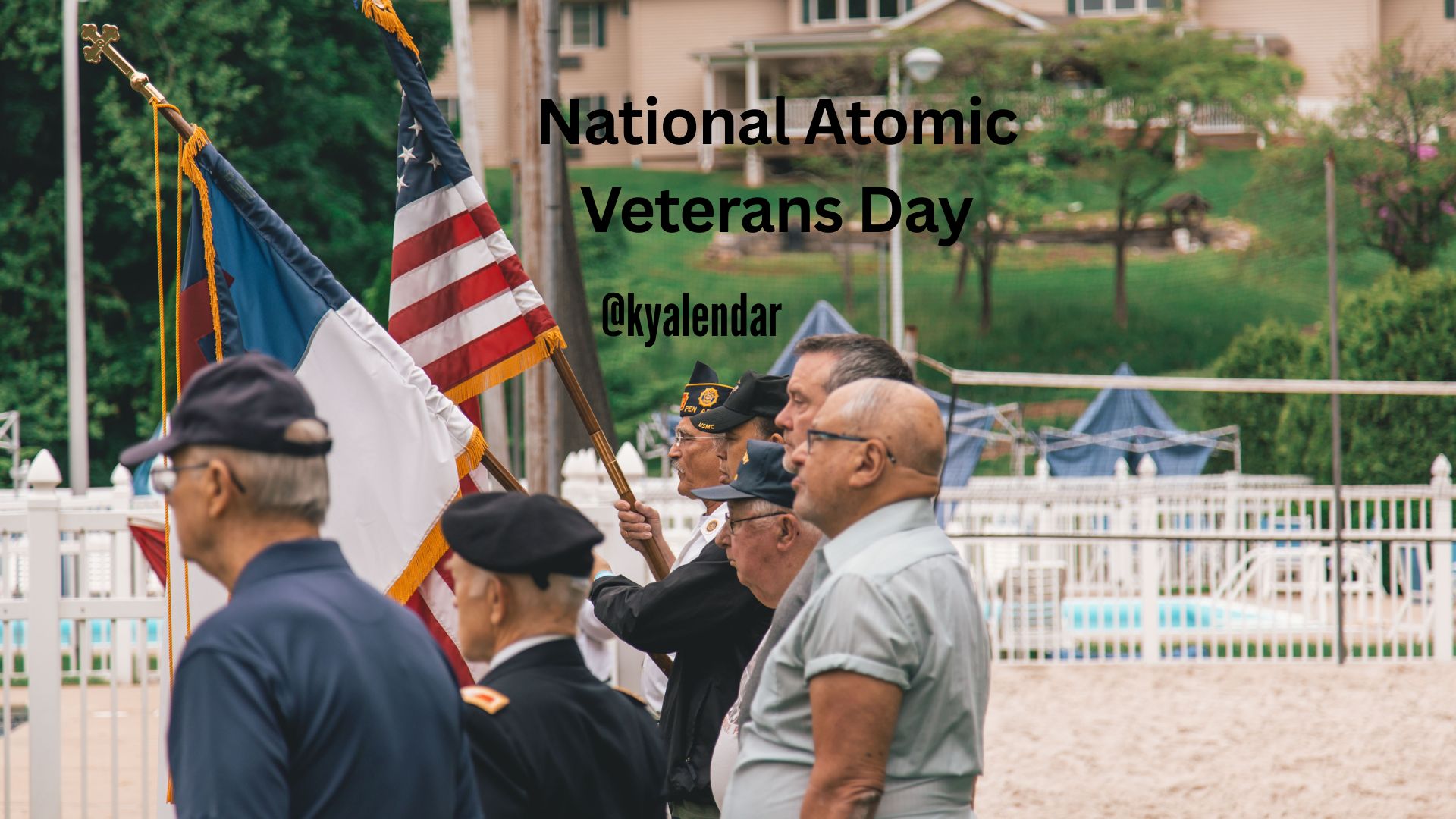
National Atomic Veterans Day is observed annually on July 16th to honour the brave men and women of the armed forces who participated in nuclear testing between 1945 and 1962. These individuals, known as “Atomic Veterans,” were involved in operations that tested the destructive power of atomic and nuclear weapons, often without full knowledge of the long-term health risks they faced due to exposure to radiation.
The Role of Atomic Veterans
The term “Atomic Veterans” refers to the military personnel who were involved in nuclear testing or who were stationed in areas exposed to radiation from nuclear weapons tests. Their involvement spans a period of seventeen years, during which over 200 atmospheric nuclear tests were conducted by the United States. These veterans witnessed and participated in atomic bomb tests in various locations, including the Nevada Test Site, the Pacific Proving Grounds, and other sites both on land and at sea.
In addition to these tests, some Atomic Veterans were part of the occupation forces in Japan after the atomic bombs were dropped on Hiroshima and Nagasaki in 1945. Others were involved in the clean-up of nuclear accidents, further exposing them to radiation without adequate protective measures or understanding of the risks.
The Impact of Radiation Exposure
Unfortunately, many Atomic Veterans were exposed to dangerous levels of ionising radiation during these tests and operations. At the time, the long-term health effects of radiation exposure were not fully understood, and safety measures were minimal or non-existent. As a result, many veterans developed severe health issues later in life, including various types of cancer, respiratory illnesses, and other radiation-related diseases. For years, these veterans fought to receive recognition and compensation for the health problems caused by their service, often facing bureaucratic hurdles and a lack of understanding of their plight.
Recognition and Compensation
For decades, the service and sacrifices of Atomic Veterans were not widely acknowledged, and many veterans were bound by secrecy oaths, preventing them from discussing their experiences. It was only in the 1970s and 1980s that advocacy efforts began to gain traction, leading to greater awareness of the issue. In 1983, the United States government passed the “Radiation Exposure Compensation Act” (RECA), which provided some level of financial compensation to individuals exposed to radiation through nuclear testing.
In addition, Atomic Veterans were eventually allowed to apply for disability benefits through the Department of Veterans Affairs (VA) for diseases linked to radiation exposure. However, the process was often lengthy, and many veterans had already passed away before their claims were resolved.
Establishment of National Atomic Veterans Day
National Atomic Veterans Day was established to formally recognise the sacrifices of these veterans and to ensure their legacy is remembered. It is a day to reflect on the bravery of those who were unknowingly placed in harm’s way during one of the most critical periods of modern history. The nuclear tests these veterans were part of played a key role in shaping the course of the Cold War, as nations grappled with the destructive potential of atomic weapons and sought ways to contain their use.
Raising Awareness and Advocacy
Beyond honouring the veterans, National Atomic Veterans Day serves as a reminder of the importance of transparency, accountability, and safety in military operations. It highlights the need for continued support for those who have suffered the consequences of their service and underscores the importance of learning from the mistakes of the past. The day also brings attention to ongoing efforts to support veterans affected by radiation exposure and other service-related health issues.
How to Observe National Atomic Veterans Day
Individuals and organisations can participate in National Atomic Veterans Day in various ways. Veterans’ groups often hold ceremonies or memorials to honour the service of Atomic Veterans. Educational initiatives, such as sharing information about the history of nuclear testing and the experiences of those involved, help ensure that future generations understand the impact of these events.
Advocates also use the day to push for stronger support systems for veterans and to ensure that those affected by radiation exposure continue to receive the recognition and care they deserve. Sharing the stories of Atomic Veterans and supporting causes that provide assistance to veterans can also help raise awareness of this important issue.
Conclusion
National Atomic Veterans Day is a solemn reminder of the costs of war and the hidden dangers faced by those who serve their countries. It serves as a day of reflection and recognition for the sacrifices made by Atomic Veterans, many of whom endured years of suffering due to their exposure to radiation. As we continue to honour their service, it is vital to ensure that the lessons learned from their experiences inform future military policies and safety protocols. Through remembrance and advocacy, we can ensure that the legacy of these veterans is not forgotten and that their contributions are recognised for years to come.