
- This event has passed.
World Youth Skills Day
July 15, 2025
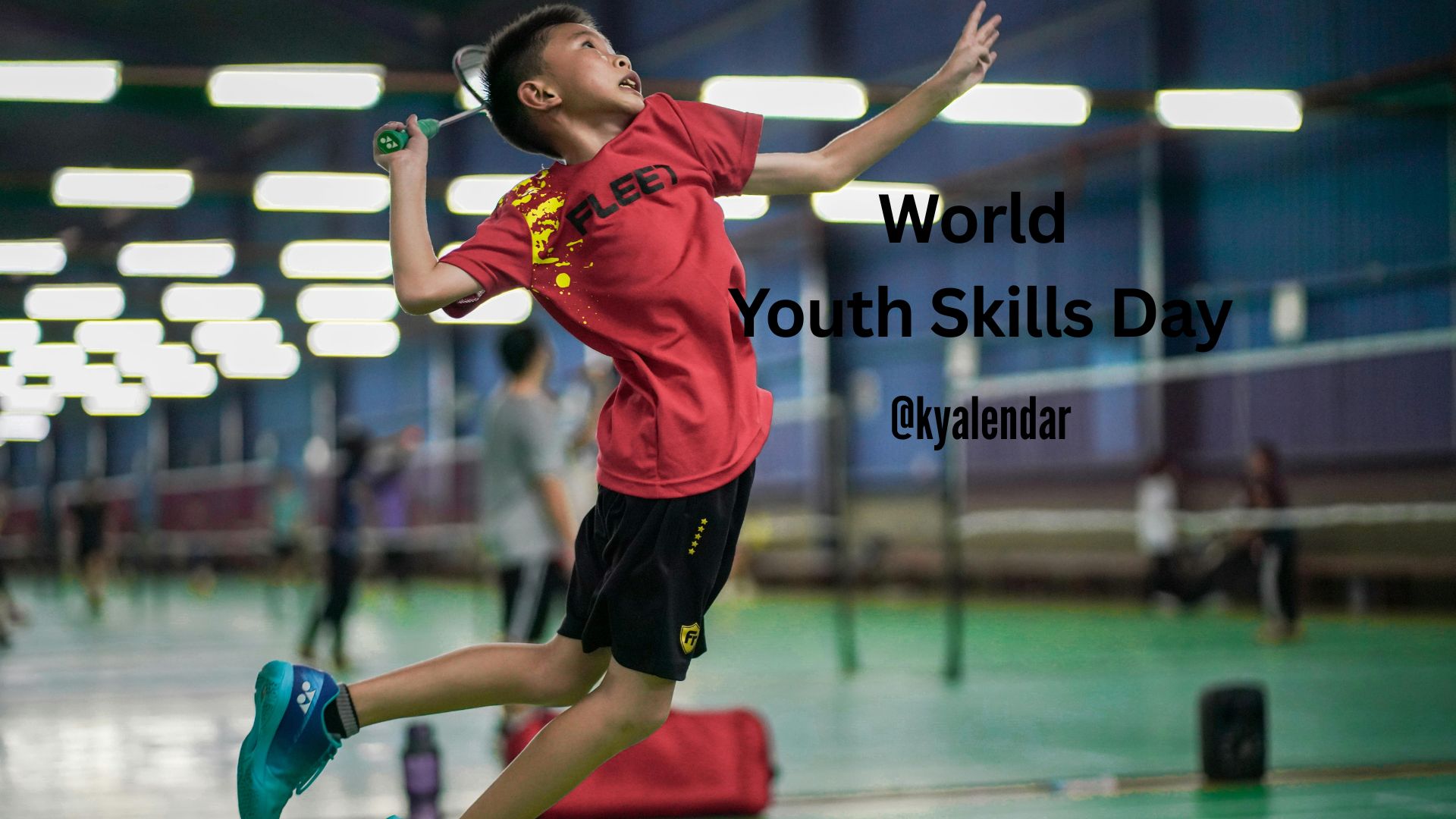
World Youth Skills Day is observed annually on July 15th and serves as a vital reminder of the importance of equipping young people with the skills they need to thrive in a rapidly changing world. Established by the United Nations in 2014, this day aims to raise awareness about the need for skills development and to encourage governments, educational institutions, and industries to invest in the future of youth through education and training.
The Importance of Skills Development
In today’s global economy, skills development has become increasingly crucial. With technological advancements, shifting job markets, and evolving workplace dynamics, young people face both opportunities and challenges as they enter the workforce. However, many youths lack the necessary skills to compete effectively, leading to high rates of unemployment and underemployment in various regions.
World Youth Skills Day seeks to highlight the significance of vocational training, technical education, and skill development programmes in empowering young people. By acquiring relevant skills, youth can enhance their employability, become self-sufficient, and contribute positively to their communities and economies.
The Theme of World Youth Skills Day
Each year, World Youth Skills Day is centred around a specific theme that addresses pressing issues related to youth skills development. These themes often reflect current global challenges and highlight the need for innovative solutions to equip young people with the skills required in the modern workforce.
The themes may focus on various aspects, such as the importance of digital skills, entrepreneurship, and the need for inclusive training opportunities that cater to diverse groups of young people. By aligning the day with specific themes, stakeholders can initiate discussions and actions that lead to tangible changes in youth skills development initiatives.
Celebrating World Youth Skills Day
Celebrations of World Youth Skills Day take place globally, involving a variety of events and activities aimed at raising awareness and promoting skills development. Here are some common ways this day is observed:
- Workshops and Training Sessions: Educational institutions, non-profits, and community organisations often organise workshops and training sessions to provide young people with hands-on experience and practical skills. These sessions cover a wide range of topics, from digital literacy to vocational training in various trades.
- Conferences and Forums: Various organisations host conferences and forums where experts, educators, and policymakers gather to discuss strategies for enhancing youth skills development. These events provide a platform for sharing best practices and innovative approaches to training.
- Social Media Campaigns: Awareness of World Youth Skills Day is amplified through social media campaigns, where individuals and organisations share stories, resources, and insights about skills development. Hashtags and online challenges are often used to engage a wider audience and encourage participation.
- Collaboration with Businesses: Many businesses recognise the value of investing in young talent and often participate in World Youth Skills Day by offering internships, mentorship programmes, and apprenticeships. This collaboration helps bridge the gap between education and employment.
- Youth-Led Initiatives: Young people themselves play a crucial role in the celebrations, often leading initiatives that promote skills development within their communities. Youth-led projects can inspire peers and create a sense of ownership over their futures.
The Role of Stakeholders
Achieving the goals of World Youth Skills Day requires collaboration among various stakeholders, including:
- Governments: National and local governments are essential in creating policies that promote vocational training and education. By investing in youth skills development, governments can foster economic growth and social stability.
- Educational Institutions: Schools, colleges, and universities are at the forefront of skills development. By offering relevant courses and training programmes, educational institutions can prepare students for the demands of the job market.
- Businesses: The private sector plays a vital role in identifying skill gaps and providing opportunities for young people to gain practical experience. Partnerships between businesses and educational institutions can enhance the effectiveness of training programmes.
- Non-Governmental Organisations (NGOs): NGOs often work to support marginalized youth and create accessible training opportunities. Their efforts in advocacy and programme implementation are crucial for reaching vulnerable populations.
The Impact of Skills Development on Youth
Investing in skills development yields significant benefits for young people and society as a whole:
- Increased Employability: Equipping youth with relevant skills enhances their employability and increases their chances of finding meaningful work. This, in turn, contributes to reduced unemployment rates.
- Economic Growth: A skilled workforce drives economic growth and innovation. By fostering entrepreneurship and creativity among young people, societies can benefit from new ideas and businesses.
- Social Inclusion: Skills development programmes that cater to diverse youth populations promote social inclusion and equity. By ensuring that all young people have access to training opportunities, societies can reduce disparities and empower marginalised groups.
- Resilience and Adaptability: In a constantly changing job market, young people with a diverse skill set are better equipped to adapt to new challenges and seize opportunities.
Conclusion
World Youth Skills Day serves as a powerful reminder of the critical importance of skills development for the future of youth worldwide. By raising awareness and fostering collaboration among stakeholders, this observance aims to empower young people to thrive in an increasingly complex and dynamic world.
As we celebrate this day, let us recognise the potential of our youth and commit to investing in their skills development. By doing so, we not only enhance their futures but also contribute to building stronger, more resilient communities and economies.