
- This event has passed.
Bastille Day
July 14, 2025
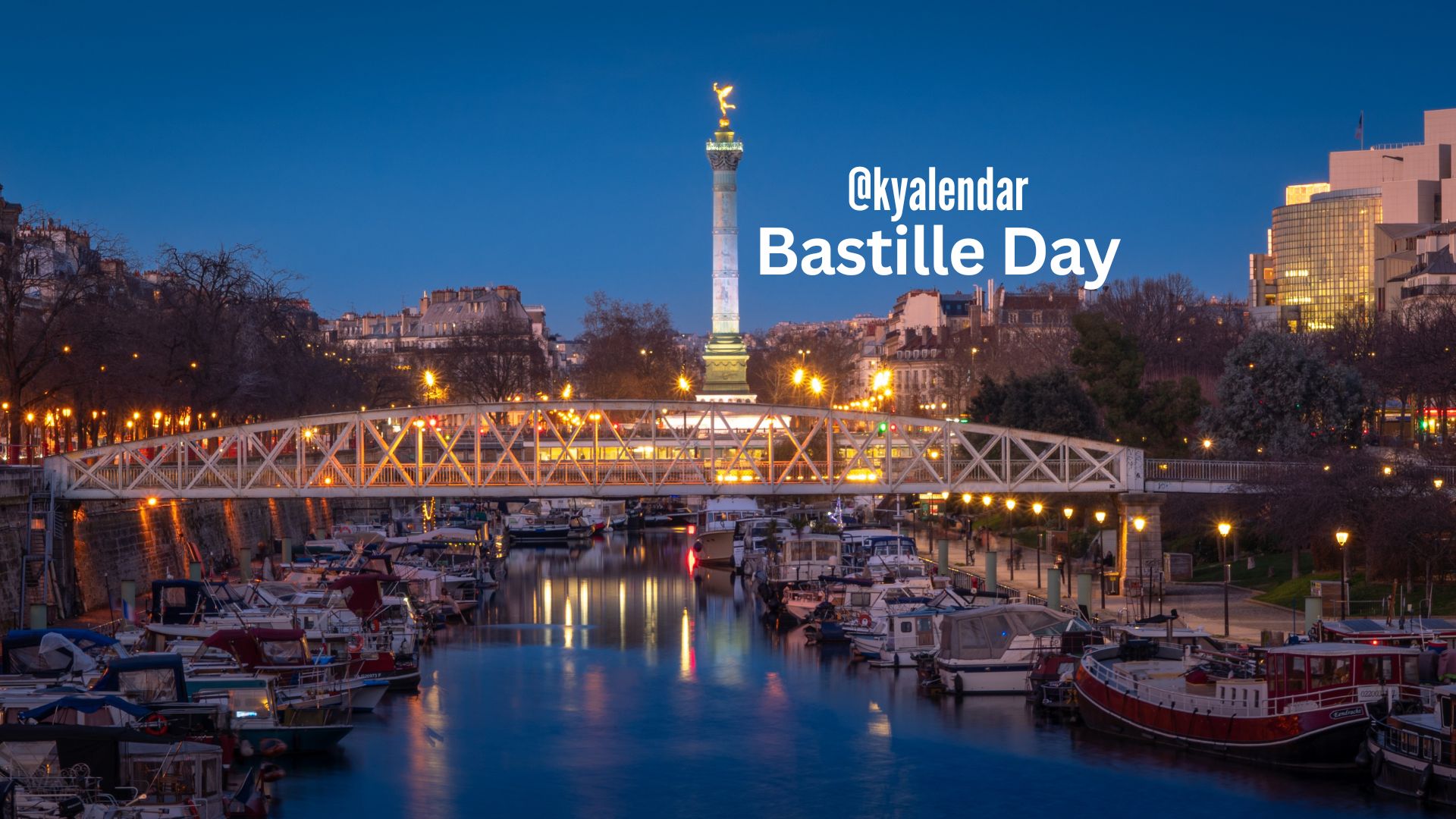
Bastille Day, celebrated on 14th July each year, marks a significant event in French history. It commemorates the storming of the Bastille prison in 1789, which symbolised the end of the monarchy’s absolute power and the birth of the people’s sovereignty. This day is not only a public holiday in France but also a celebration of the values of liberty, equality, and fraternity that form the cornerstone of the French Republic.
Historical Background
To understand the significance of Bastille Day, we must look back to the late 18th century when France was engulfed in a financial crisis and widespread discontent. The monarchy, under King Louis XVI, struggled with debt and failed to implement meaningful reforms. The common people, who faced heavy taxation and food shortages, grew increasingly frustrated with the privileges enjoyed by the aristocracy.
On 14th July 1789, the tension reached a boiling point. The Bastille, a fortress and prison in Paris, was seen as a symbol of the king’s oppressive rule. Although it held only a handful of prisoners at the time, its storming represented a stand against tyranny. The citizens of Paris, seeking to acquire weapons and gunpowder, marched towards the Bastille. After hours of intense fighting, they successfully captured the fortress, marking a turning point in the French Revolution.
The fall of the Bastille not only ignited the revolution but also inspired similar uprisings across France and Europe. It led to the eventual establishment of a republic and the adoption of the Declaration of the Rights of Man and of the Citizen, which articulated the principles of freedom and equality for all citizens.
Celebrations and Traditions
Bastille Day is celebrated throughout France and in French communities around the world. The day is marked by various festivities that reflect the spirit of the revolution and the pride of the French people. Here are some of the key celebrations and traditions associated with this important day:
- Military Parade: One of the most iconic events is the military parade on the Champs-Élysées in Paris. This parade, attended by the President of France and other dignitaries, features soldiers from various branches of the military, showcasing France’s military strength and unity. It is one of the largest military parades in Europe and attracts thousands of spectators.
- Fireworks: In the evening, cities across France light up with spectacular fireworks displays. The most notable show takes place at the Eiffel Tower, where vibrant colours illuminate the Parisian skyline, creating a festive atmosphere.
- Parties and Festivals: Bastille Day is also a time for local celebrations, including street parties, concerts, and communal meals. Many towns and villages host events that encourage community spirit, bringing people together to celebrate their shared heritage.
- Dances and Fêtes: Traditional dances, known as “bals,” are held in various locations, allowing people to enjoy music and dancing. These festive gatherings often include a mix of folk and contemporary music, bringing joy to the celebrations.
- Culinary Delights: Food plays a significant role in the festivities, with many people enjoying classic French dishes. Baguettes, cheese, and wine are popular choices, and some indulge in special treats like pastries and cakes decorated in the colours of the French flag—blue, white, and red.
Significance of Bastille Day
Bastille Day serves as a reminder of the values that underpin the French Republic. It celebrates the principles of liberty, equality, and fraternity, which were central to the revolution and continue to resonate today. The day also serves to honour the sacrifices made by those who fought for freedom and democracy, reminding citizens of their responsibility to uphold these ideals.
Additionally, Bastille Day fosters national pride and unity. It is a time when French citizens reflect on their history, culture, and identity. The celebrations help to reinforce a sense of belonging and community, as people come together to commemorate their shared past and envision a brighter future.
Global Observations
While Bastille Day is primarily a French holiday, it is celebrated in various forms around the world, particularly in countries with significant French influence. French communities in places like Canada, the United States, and parts of Africa also observe the day with parades, cultural events, and social gatherings, honouring their connection to France and its rich heritage.
Conclusion
Bastille Day stands as a powerful symbol of the fight for freedom and justice. It commemorates a pivotal moment in history when the people of France rose against oppression and claimed their rights. As French citizens and communities worldwide come together to celebrate this day, they not only honour their past but also reaffirm their commitment to the values that continue to shape their nation. Whether through grand parades, fireworks, or simple gatherings, Bastille Day remains a vibrant celebration of liberty, equality, and the enduring spirit of the French Revolution.