
- This event has passed.
Argentina’s Independence Day
July 9, 2025
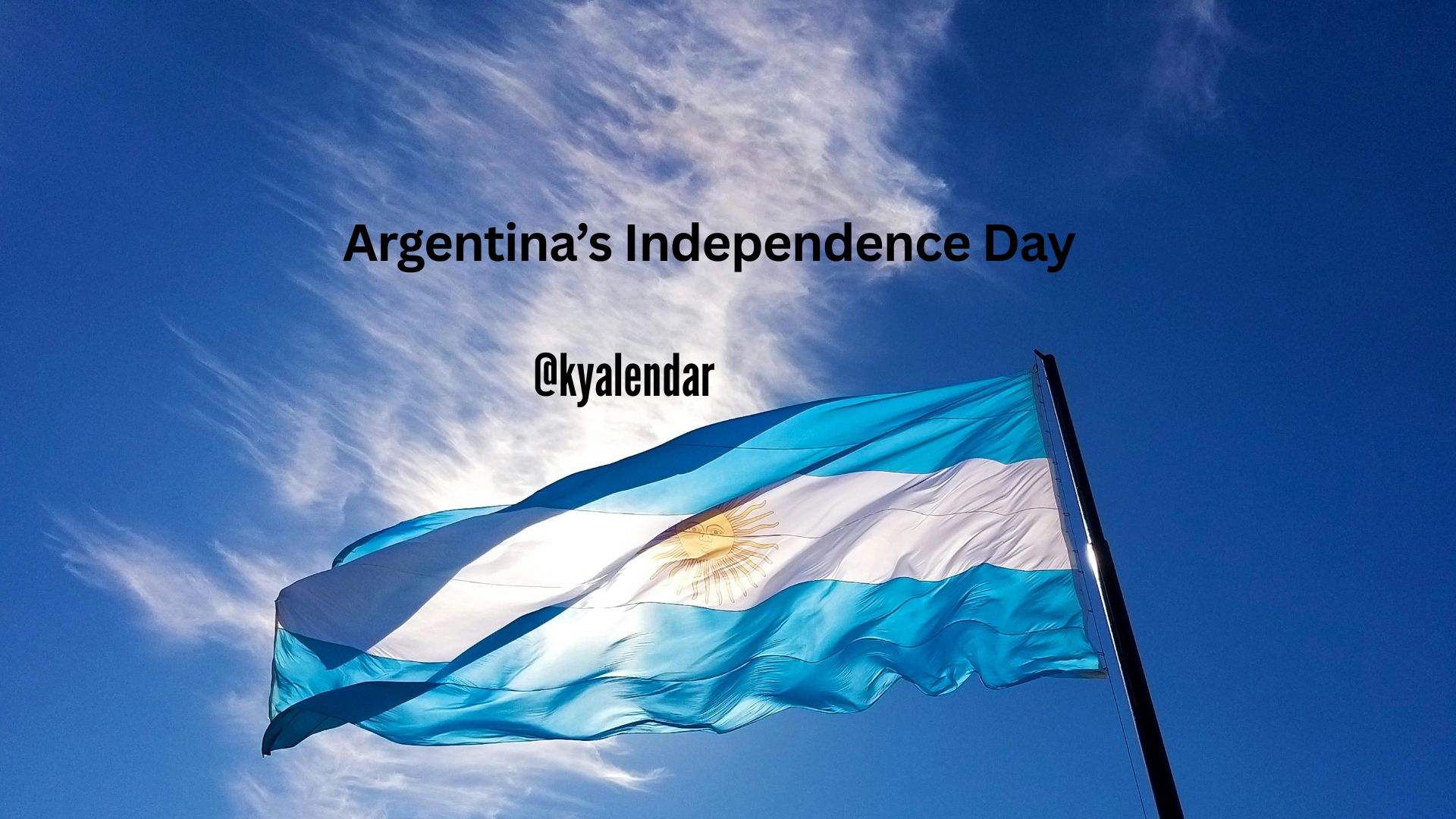
Argentina’s Independence Day is a significant national holiday celebrated on the 9th of July each year, marking the day in 1816 when the country officially declared its independence from Spanish rule. Known locally as “Día de la Independencia,” this day is deeply rooted in Argentina’s history, symbolising its struggle for freedom and the birth of a nation that would grow to become a powerful and culturally rich country in South America.
The Road to Independence
Argentina’s fight for independence was part of a larger movement across Latin America, as colonies sought to break free from the dominance of European powers. By the early 19th century, the Spanish Empire was struggling with internal turmoil and external pressures, largely due to the Napoleonic Wars in Europe. These events created an opportunity for colonies, including Argentina, to push for self-governance.
The quest for independence officially began with the May Revolution in 1810. This was when Argentine leaders, inspired by Enlightenment ideas and the success of the American and French revolutions, initiated a movement to reject Spanish authority. The revolution led to the formation of the First Junta, a provisional government set up in Buenos Aires, marking the beginning of Argentina’s path to independence.
However, it wasn’t until six years later, on 9th July 1816, that Argentina formally declared independence. The declaration took place in the city of San Miguel de Tucumán, where representatives from different provinces gathered to sign the official document. This pivotal moment solidified Argentina’s status as a sovereign nation, free from Spanish rule, and became the cornerstone of the country’s national identity.
Celebrations and Traditions
Argentina’s Independence Day is celebrated with great enthusiasm and pride across the country. The day is filled with a sense of national unity, with Argentinians from all walks of life coming together to honour their history and reflect on the sacrifices made by those who fought for freedom.
One of the key elements of the celebrations is the military parades that take place in major cities. These parades showcase Argentina’s military strength and are a reminder of the long struggle for independence. Soldiers march through the streets in full uniform, while air force planes often perform aerial displays, filling the skies with the blue and white colours of the Argentine flag.
The capital, Buenos Aires, is the epicentre of the national celebrations. Large crowds gather in the iconic Plaza de Mayo, a historic square that played a crucial role in the country’s independence movement. Here, government officials, including the president, deliver speeches reflecting on the importance of the day. The celebrations also include musical performances, cultural displays, and fireworks, all contributing to a vibrant and patriotic atmosphere.
In addition to these public events, many Argentinians celebrate Independence Day in a more personal way. Families and friends gather for traditional meals, which often feature empanadas, a beloved Argentine pastry filled with meat, cheese, or vegetables. Other popular dishes include asado, a barbecue feast that is central to Argentine cuisine, and locro, a hearty stew made with corn, beans, and meat, traditionally eaten on this day.
Cultural Significance
For Argentinians, Independence Day is more than just a historical event; it’s a day that reflects the values of freedom, resilience, and unity. It’s a time to remember the efforts of the leaders who bravely sought to liberate the country from colonial rule and to honour the legacy they left behind.
The Tucumán House (Casa Histórica de Tucumán), where the declaration was signed, has become a national monument and a symbol of Argentina’s independence. Located in the city of San Miguel de Tucumán, this building attracts visitors from all over the country, especially on Independence Day, when special ceremonies and re-enactments of the signing take place. The house serves as a powerful reminder of the historical significance of this day and the birth of the nation.
Throughout the country, schools and educational institutions also take part in Independence Day celebrations. Children learn about the history of the independence movement and participate in events such as flag-raising ceremonies, patriotic songs, and classroom activities centred around the themes of national pride and identity.
The Broader Impact of Independence
Argentina’s declaration of independence in 1816 had a ripple effect across Latin America. It encouraged other Spanish colonies in the region to pursue their own independence movements, contributing to the eventual collapse of Spanish rule in the Americas. Argentina’s success in securing its freedom became a source of inspiration for other nations striving to break free from European colonial powers.
Moreover, Argentina’s journey to independence played a significant role in shaping its national identity. The fight for sovereignty created a sense of unity among the country’s provinces and laid the foundation for the development of a centralised government. It also helped establish Argentina’s position as a key player in the political and economic landscape of Latin America.
Modern-Day Reflections
Today, Argentina’s Independence Day is an opportunity for the country to reflect on its history and the challenges it has overcome. While the nation has experienced its share of political and economic turbulence since gaining independence, the values of freedom and self-determination remain central to its identity.
The day also serves as a reminder of the importance of preserving national unity and fostering a sense of community among all Argentinians. In a country known for its cultural diversity, Independence Day brings together people from different regions, ethnicities, and backgrounds to celebrate a common history and shared values.
In recent years, Argentina has faced various social and political challenges, but the spirit of independence continues to guide the country forward. The annual celebrations on 9th July serve as a powerful symbol of the nation’s enduring strength and resilience.
Conclusion
Argentina’s Independence Day is a day of immense national pride, celebrated with a mixture of historical reverence and modern-day festivities. It’s a time for Argentinians to come together, reflect on their country’s journey to freedom, and honour the legacy of those who fought for independence. From the grand military parades in Buenos Aires to the traditional family gatherings in homes across the country, the day is filled with patriotism and a deep appreciation for Argentina’s hard-won sovereignty. On this day, the blue and white of the Argentine flag flutter proudly across the nation, symbolising the enduring spirit of a country that has never forgotten its roots.