
- This event has passed.
World Sand Dune Day
June 28, 2025
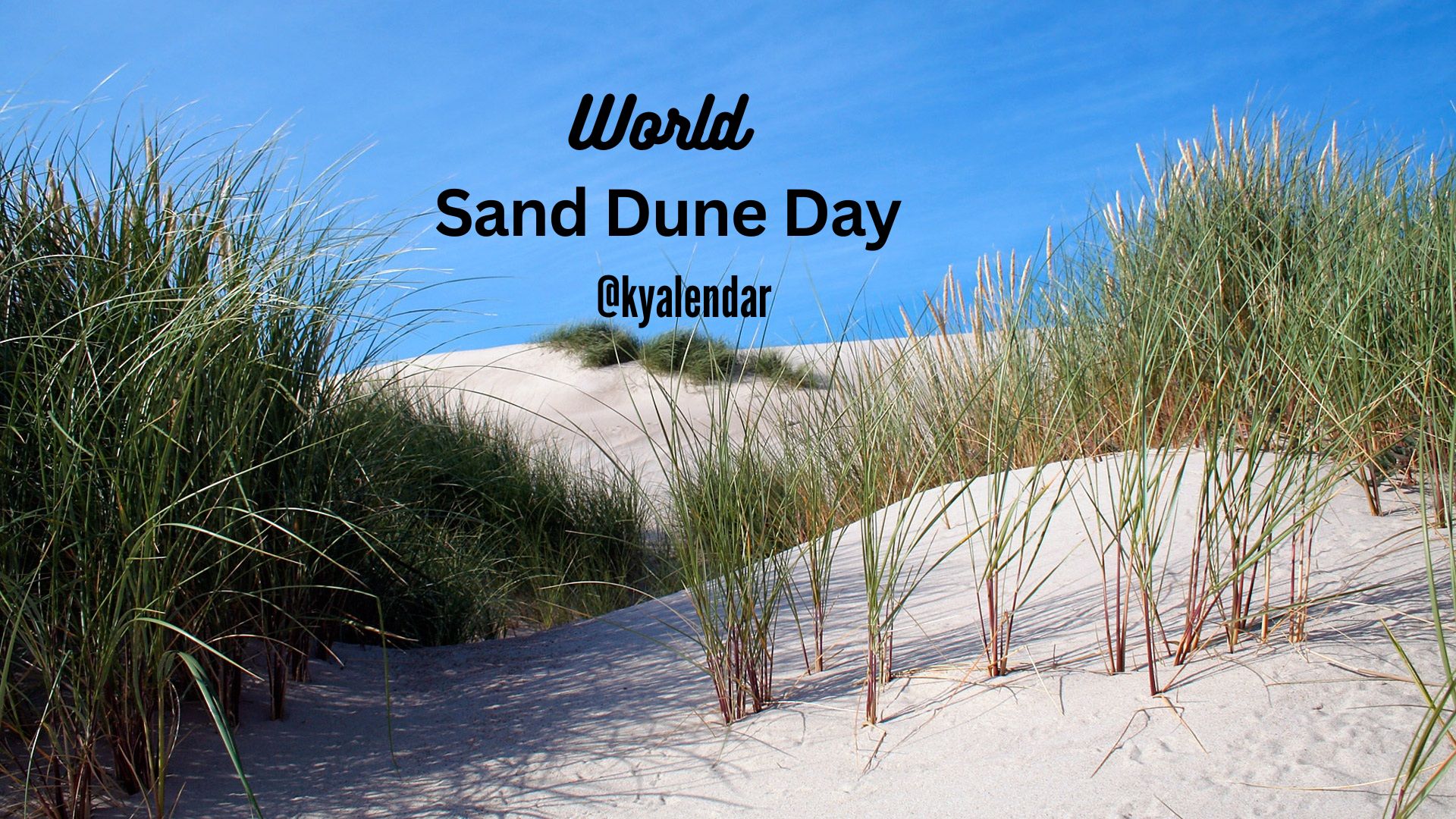
World Sand Dune Day is a day dedicated to the appreciation, conservation, and awareness of sand dunes and their vital role in ecosystems across the globe. Sand dunes, those towering and ever-shifting hills of sand, are not only striking natural formations but also critical environments for wildlife and plant species. This special day offers a platform to discuss and promote the protection of these unique landscapes while educating people about their importance.
The Role of Sand Dunes in Nature
Sand dunes are formed by the wind’s movement over time, which transports sand particles and deposits them in new locations. These dunes can be found in coastal areas, deserts, and even near lakes and rivers. Despite their often barren appearance, sand dunes are home to diverse ecosystems. From desert-adapted plants and animals to coastal flora that prevents erosion, dunes support life in what may seem like the most inhospitable environments.
One of the main functions of sand dunes, particularly along coasts, is to act as natural barriers against the sea. They help to protect inland areas from storm surges, flooding, and erosion, making them critical in maintaining the balance between land and water.
Why World Sand Dune Day is Important
World Sand Dune Day aims to bring attention to the threats that sand dunes face. While many may view these formations as resilient, they are highly susceptible to damage from human activities and climate change. Overdevelopment along coastlines, deforestation, and inappropriate land use in desert regions can lead to the destabilisation of dunes. Without adequate protection, dunes can erode or flatten, removing the natural defences they provide.
Raising awareness about the importance of dunes is the first step in protecting them. World Sand Dune Day promotes conservation efforts and encourages sustainable tourism and development practices to ensure that these natural landscapes remain intact for future generations. By understanding their role, we can work to mitigate the risks dunes face from rising sea levels, extreme weather, and human encroachment.
Celebrating World Sand Dune Day
World Sand Dune Day is often marked by a variety of activities aimed at engaging communities and spreading awareness. Local governments, environmental organisations, and schools may organise educational workshops, guided dune walks, and clean-up initiatives to highlight the importance of preserving these environments. Activities like these can help people better understand how dunes are formed, how they function, and the threats they face.
For those who live near dunes, participating in beach clean-ups and supporting local conservation projects are tangible ways to celebrate the day. This might involve clearing invasive plant species from dune systems or planting native vegetation to stabilise dune structures. Both direct actions and learning opportunities contribute to raising awareness and fostering a culture of environmental stewardship.
Conservation Efforts and Challenges
Conserving sand dunes requires both large-scale policy interventions and local efforts. Governments and environmental bodies often work together to designate protected dune areas, creating nature reserves and imposing restrictions on development. In these protected areas, natural processes can continue without interference, allowing the dunes to shift and change as they would naturally.
However, there are significant challenges to dune conservation. In many coastal regions, the pressure to develop land for tourism or residential purposes can clash with the need to protect dunes. Rising sea levels and climate change also pose growing risks, as stronger storms and more frequent flooding events erode dunes faster than they can regenerate. In desert regions, unsustainable agriculture or mining practices can lead to dune destabilisation, harming the local ecosystems.
It is vital to adopt sustainable land-use practices that work in harmony with nature. Efforts such as dune replanting projects, which involve the introduction of stabilising vegetation, and the creation of buffer zones to prevent encroachment, are key strategies in preserving dune systems.
Sand Dunes Around the World
Sand dunes are a global phenomenon, and World Sand Dune Day is an international celebration. From the vast deserts of the Sahara to the coastal dunes of the Netherlands and the rolling dunes in Australian national parks, these landscapes exist in different forms across continents. Each dune system is unique, shaped by local geography, climate, and weather patterns.
For example, the Great Sand Dunes in Colorado, USA, are some of the tallest in North America, formed by winds blowing across a high desert basin. In contrast, the coastal dunes of Namibia, often referred to as “living dunes,” are shaped by the constant interplay between the Atlantic Ocean and the desert, creating a dynamic, ever-changing landscape.
Across Europe, coastal dunes are particularly important in countries like the UK and the Netherlands, where they act as essential coastal defences. These areas are often protected by law due to their ecological significance, and efforts are made to prevent overdevelopment and manage tourism sustainably.
How You Can Get Involved
Getting involved in World Sand Dune Day can take many forms, whether through personal actions, community events, or supporting larger conservation efforts. Here are some simple ways to participate:
- Beach Clean-Ups: Coastal dune systems are often littered with waste and debris. Participating in or organising a beach clean-up can help protect the dune environment by reducing pollution and preserving the local habitat.
- Education and Awareness: Learn more about the dunes in your local area or the world at large. By understanding how they form, the species they support, and their role in environmental health, you can become an advocate for their protection.
- Sustainable Tourism: If you visit dunes, ensure you follow guidelines to avoid trampling sensitive vegetation or contributing to erosion. Opt for eco-friendly tours that respect the environment and encourage sustainable practices.
- Support Conservation Efforts: Many organisations are dedicated to protecting sand dunes and promoting conservation. Donating or volunteering with such groups can make a lasting impact on dune preservation.
Conclusion
World Sand Dune Day is more than just a celebration of natural beauty; it is a call to action to protect some of the Earth’s most fragile ecosystems. By raising awareness about the importance of sand dunes and the threats they face, we can work towards ensuring that these unique landscapes remain a vibrant part of our world. From their role in coastal protection to their ecological significance, dunes are crucial to maintaining environmental balance. Let us celebrate and protect them, not just on World Sand Dune Day, but every day.