
- This event has passed.
Midsummer Day
June 24, 2025
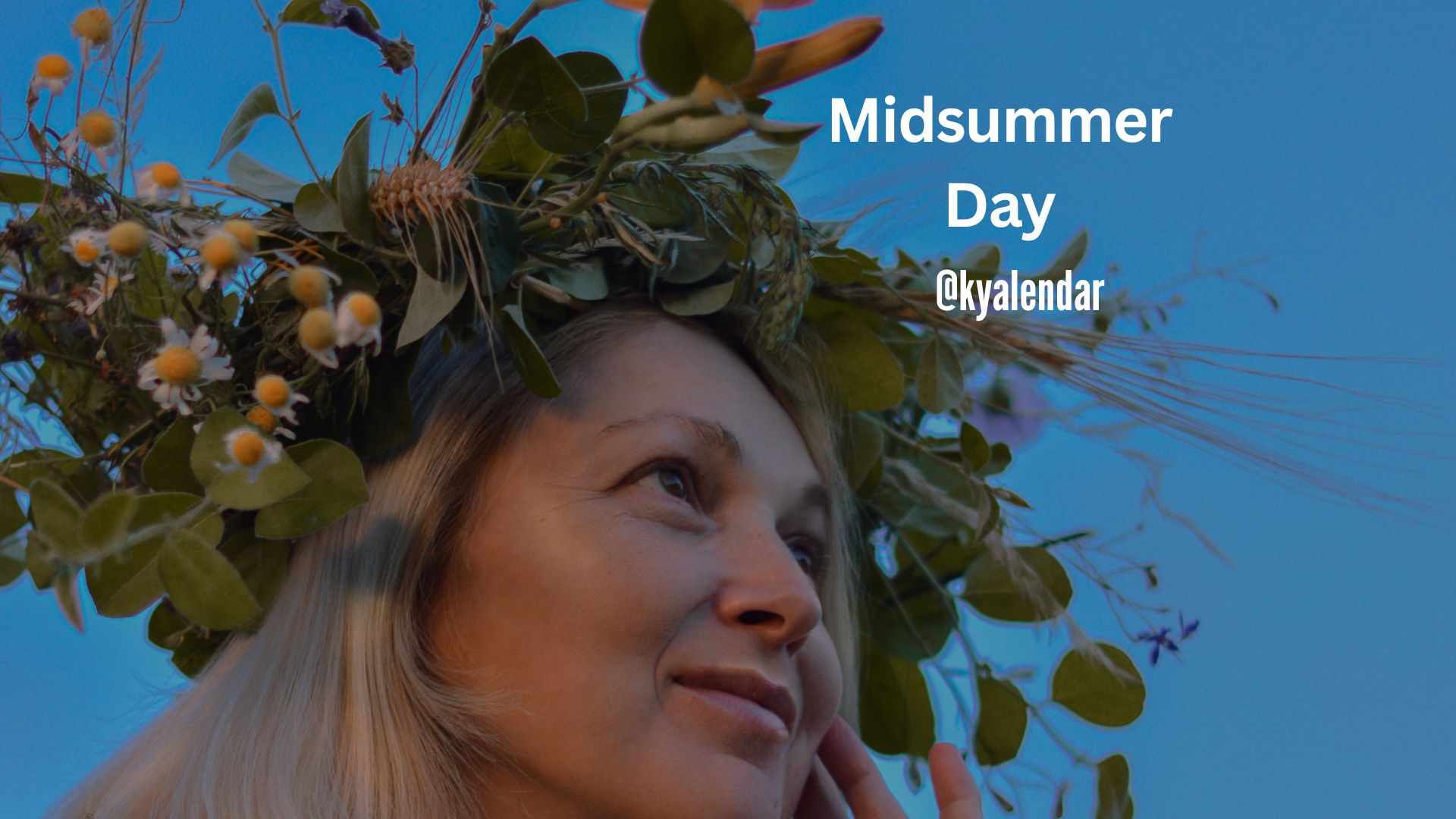
Midsummer Day is a traditional celebration that marks the summer solstice, a time when the sun reaches its highest point in the sky, giving us the longest day of the year. In many cultures, Midsummer is a significant and joyous occasion, symbolising light, warmth, and the abundance of the summer season. Falling on or around the 24th of June, Midsummer Day has long been associated with a blend of ancient pagan rituals and Christian traditions, particularly in Europe.
Historical Origins
The roots of Midsummer Day stretch back to ancient times when early civilisations revered the sun and its life-giving power. As the solstice approached, people would celebrate the height of the sun’s strength, acknowledging its vital role in agriculture and daily life. In many ancient societies, the solstice was linked to fertility rites, as the warmth and long daylight hours of summer were seen as crucial for successful harvests.
In pre-Christian Europe, bonfires were lit as part of Midsummer festivities, symbolising protection, cleansing, and the reinforcement of the sun’s power. These flames were believed to ward off evil spirits, which were thought to be more active during this time. People would leap over the bonfires to bring good fortune and ensure a fruitful harvest. Flowers, herbs, and plants also played an important role, as they were considered to be imbued with magical properties when picked on Midsummer Eve.
With the spread of Christianity, the festival became associated with St. John the Baptist, whose feast day is celebrated on the 24th of June. This connection to St. John is why Midsummer Day is often referred to as St. John’s Day or the Feast of St. John in many parts of Europe. However, despite the Christian influences, many of the ancient pagan customs remained, blending seamlessly into the celebrations.
Midsummer Traditions Across Europe
Throughout Europe, Midsummer Day is celebrated with a variety of customs and rituals, many of which are tied to nature, light, and fertility. The details may vary from country to country, but the essence remains the same—a joyous time to honour the sun and the life it brings.
In Sweden, for example, Midsummer is one of the most important festivals of the year, second only to Christmas. Swedes celebrate with family and friends, enjoying outdoor feasts featuring traditional foods such as herring, potatoes, and strawberries. One of the highlights is the raising of the Maypole, which is decorated with flowers and greenery. People of all ages dance around the Maypole, participating in traditional folk dances that have been passed down through generations. Flower crowns are commonly worn, particularly by women, as flowers are believed to bring good luck and protect against evil spirits.
In Finland, Midsummer, known as Juhannus, is often celebrated in the countryside, as many Finns retreat to their summer cottages to enjoy the natural beauty of the season. Bonfires are lit by lakes and on the coast, and saunas play an important part in the festivities. For many, Juhannus is also a time to reflect on Finnish identity, as the day is closely tied to national pride. It’s also associated with romance, and folklore suggests that young maidens who place flowers under their pillows on Midsummer Eve will dream of their future husbands.
In Estonia and Latvia, the celebration of Midsummer, or Jaaniõhtu and Jāņi, respectively, is an important national holiday. Similar to other parts of northern Europe, the festivities include bonfires, singing, and dancing. In both countries, it is a time of merriment, and the bonfire tradition is taken very seriously. Jumping over the flames is still practised, as it is believed to bring prosperity and keep bad luck at bay. In Estonia, the day also celebrates the country’s independence and cultural heritage, and many Estonians spend it in the countryside, engaging in traditional games and activities.
In the United Kingdom, Midsummer has historically been associated with the solstice itself, which is celebrated at various landmarks, most notably Stonehenge. This ancient stone circle, which dates back thousands of years, is aligned with the solstice sunrise, and each year, thousands of people gather to watch the sun rise over the stones on the longest day. The celebration at Stonehenge has a deep connection to the country’s prehistoric past, and it draws together modern-day pagans, druids, and those simply looking to experience the magic of the solstice.
Elsewhere in Britain, Midsummer has traditionally been marked with fairs, feasts, and bonfires. In the past, communities would light large fires on hilltops, and in some places, people would roll flaming wheels down hillsides to symbolise the descent of the sun after its peak. While some of these customs have faded, the idea of Midsummer as a time to celebrate nature, light, and life endures.
Midsummer and Nature
One of the central themes of Midsummer Day is the connection between humanity and the natural world. The day celebrates the abundance of the earth, particularly in agricultural societies where the solstice marked the beginning of the most fruitful part of the year. It was seen as a time when crops would grow vigorously under the warmth of the sun, ensuring a successful harvest in the autumn.
Flowers, plants, and herbs have always played a significant role in Midsummer traditions, as they were believed to hold special powers during this time. In many cultures, it was thought that the dew gathered on Midsummer morning had healing properties, and people would bathe in it or use it to wash their faces to maintain youth and health. Similarly, certain herbs picked on Midsummer Eve were believed to bring protection, luck, or fertility.
Today, Midsummer remains a time when people are drawn to the outdoors, whether to celebrate in communal gatherings or to simply appreciate the beauty of nature. It’s a reminder of the cyclical nature of the seasons and the importance of living in harmony with the earth.
A Time of Reflection
While Midsummer Day is a time of celebration, it also carries a sense of reflection. As the longest day of the year, it represents a turning point, after which the days will begin to shorten once again. In many cultures, this has led to Midsummer being viewed as a time for introspection and personal renewal. Just as the earth is at its most fertile, people are encouraged to focus on their own growth and to let go of anything that no longer serves them.
This connection between Midsummer and personal transformation is echoed in many of the customs associated with the day, from the symbolic act of jumping over bonfires to the tradition of seeking visions or omens for the future. In this way, Midsummer is both a celebration of life and a moment to pause and consider the path ahead.
Conclusion
Midsummer Day is a celebration that spans centuries and cultures, yet its message remains timeless. It’s a day to honour the power of the sun, the beauty of the natural world, and the joy of community. Whether through ancient bonfires, traditional dances, or simply gathering with loved ones to enjoy the warmth of the season, Midsummer offers a chance to reconnect with the earth and with each other. It’s a moment of light and life, reminding us of the importance of embracing the present while looking forward to what the rest of the year will bring.