
- This event has passed.
Icelandic National Day
June 17, 2025
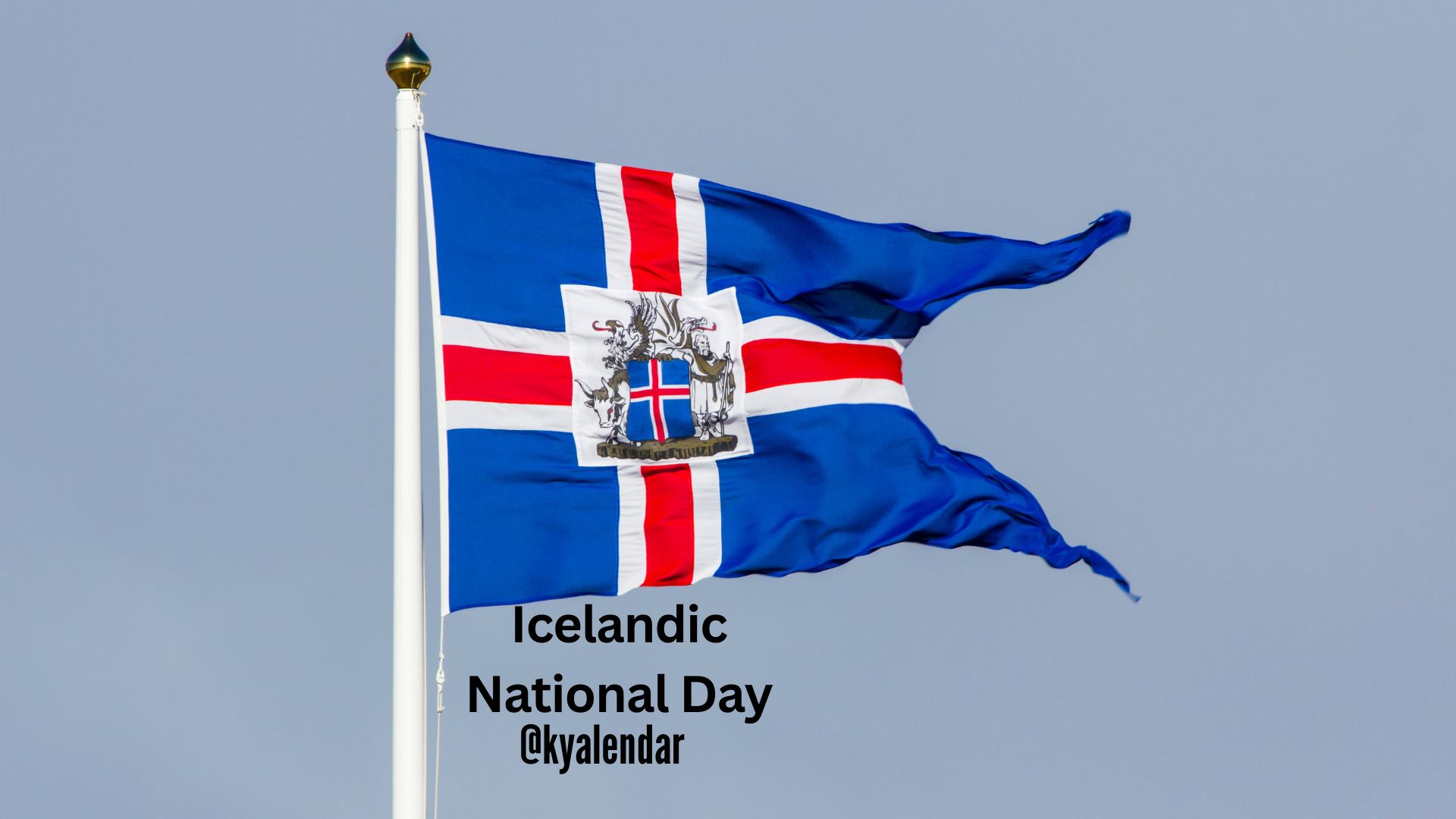
Icelandic National Day, celebrated annually on 17th June, is a significant public holiday in Iceland that marks the country’s independence from Danish rule and the establishment of the Republic of Iceland in 1944. The date is especially symbolic as it coincides with the birthday of Jón Sigurðsson, a prominent figure in the Icelandic independence movement.
Historical Background
The roots of Icelandic National Day trace back to Iceland’s long struggle for independence. Iceland had been under the rule of Denmark for centuries, although it retained some degree of autonomy through the centuries. By the early 20th century, the desire for complete independence had grown stronger among Icelanders. In 1918, Iceland gained sovereignty in a union with Denmark through the Danish–Icelandic Act of Union. However, Iceland still shared the Danish monarchy and was not yet a fully independent republic.
The events of World War II, particularly the German occupation of Denmark, provided an opportunity for Iceland to push further for its independence. In 1944, a referendum was held in Iceland, and an overwhelming majority voted in favour of establishing a republic. On 17th June 1944, the formal declaration of the Republic of Iceland took place at Þingvellir, a site of immense historical and cultural significance in Iceland, where the Althing, the world’s oldest parliament, was established in 930 AD. The Icelandic National Day has been celebrated ever since to commemorate this important moment in the nation’s history.
Celebrations and Traditions
Icelandic National Day is marked by vibrant celebrations across the country, with the capital city of Reykjavík hosting the largest and most elaborate festivities. The day typically begins with a formal ceremony at Austurvöllur Square in front of the Icelandic Parliament, where speeches are delivered, and the national flag is hoisted. Representatives of the government, including the President of Iceland, usually participate in these official events.
A key feature of the day is the traditional procession through the streets of Reykjavík, led by members of the Scouting movement and accompanied by brass bands and choirs. Citizens dressed in the national costume, known as þjóðbúningur, add a sense of cultural pride and heritage to the occasion. One of the most anticipated moments during the celebration is the appearance of the Fjallkonan, or the Lady of the Mountain. This symbolic figure, representing the spirit of Iceland, recites a poem to honour the nation’s beauty, strength, and independence.
Following the formalities, the day takes on a more relaxed and festive atmosphere, with events such as concerts, street performances, and parades taking place in various towns and cities. Carnival games, food stalls, and entertainment for children make the day enjoyable for families, while adults often gather for social events and picnics in public spaces. The celebrations continue into the evening with more music and dancing, culminating in fireworks displays in some areas.
Symbolism of 17th June
The choice of 17th June for Icelandic National Day is particularly meaningful due to its association with Jón Sigurðsson, who was born on this day in 1811. Jón Sigurðsson is considered a national hero in Iceland for his role in advocating for Icelandic independence during the 19th century. His efforts as a scholar, politician, and leader of the independence movement earned him the title of “President of the Althing” and have made him a revered figure in Icelandic history. Statues of Jón Sigurðsson are a common sight in Iceland, and he is often remembered in speeches and ceremonies on this day.
National Pride and Reflection
Icelandic National Day is not just a celebration of the past but also a time for reflection on the nation’s achievements and identity. For many Icelanders, the day symbolises the strength and resilience of the country, which has managed to preserve its unique culture and language despite centuries of foreign rule and geographical isolation. The day fosters a deep sense of national pride and unity, as Icelanders come together to celebrate their shared heritage and look forward to the future.
Conclusion
Icelandic National Day is a profound expression of national pride, marking the pivotal moment when Iceland became an independent republic. Through traditional ceremonies, cultural displays, and festive activities, the day brings Icelanders together in celebration of their history, culture, and freedom. The day also serves as a reminder of the enduring legacy of figures like Jón Sigurðsson, whose dedication to the cause of independence continues to inspire the nation. Whether in the heart of Reykjavík or in the smaller towns across the country, the spirit of Icelandic National Day resonates with joy, pride, and a deep connection to the country’s past and future.