
- This event has passed.
World Blood Donor Day
June 14, 2025
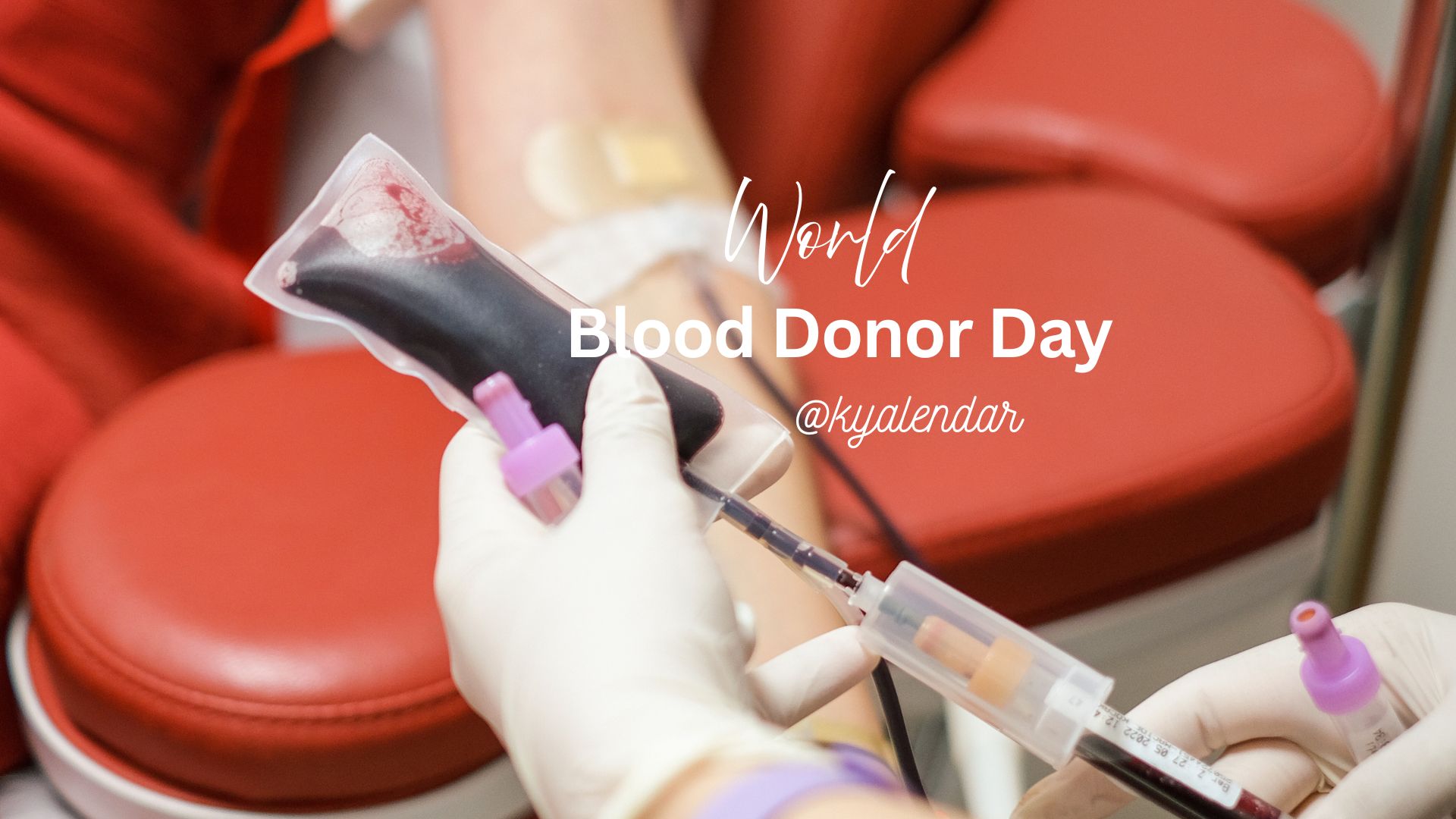
World Blood Donor Day, celebrated annually on 14th June, is a significant day to honour the lifesaving act of donating blood. It is a global event, bringing attention to the need for safe blood donations and acknowledging the selfless individuals who contribute to saving lives by donating blood. This day also serves to highlight the vital role blood donors play in health systems around the world.
The Origins of World Blood Donor Day
World Blood Donor Day was established by the World Health Organization (WHO) in 2004. The choice of 14th June as the date for this celebration is not random. It coincides with the birthday of Karl Landsteiner, the Austrian biologist and physician who discovered the ABO blood group system, a breakthrough that transformed blood transfusion practices.
Since its inception, the day has grown to become a key event, promoting the value of voluntary, unpaid blood donations. It seeks to encourage more people to become regular donors and ensure that every country has a sustainable supply of blood.
The Importance of Blood Donation
Blood is essential for life, yet many medical procedures, treatments, and emergencies require a blood transfusion. Donating blood is crucial in treating patients who have experienced accidents, surgeries, childbirth complications, or are living with conditions such as cancer and chronic anaemia. One blood donation can save up to three lives, making it a truly powerful way to contribute to the health and wellbeing of others.
Blood cannot be manufactured or produced artificially; it can only be obtained through donations. This makes it imperative for individuals, especially those who are healthy and eligible, to donate regularly. Blood has a limited shelf life, so maintaining a constant supply is critical to ensuring that hospitals and medical facilities are equipped to meet the needs of patients.
The Theme of World Blood Donor Day
Each year, World Blood Donor Day carries a unique theme, aimed at addressing specific issues related to blood donation. The theme often focuses on increasing awareness about the importance of donating blood and its positive impact on individuals and communities. Campaigns encourage people to donate regularly, rather than only during emergencies, to ensure there is a stable supply at all times.
One of the consistent messages on this day is the importance of voluntary, unpaid donations. In many parts of the world, blood shortages persist, and some regions still rely on family or paid donors, which can create inequities in access to safe blood. The emphasis is on fostering a culture of altruism, where blood donation is seen as a civic duty and a compassionate act towards others in need.
How to Get Involved in World Blood Donor Day
There are several ways people can take part in World Blood Donor Day. Donating blood is, of course, the most direct and impactful way to celebrate the day. Blood donation centres and mobile units often organise special drives and events to mark the occasion, making it easy for first-time donors and regulars alike to contribute.
In addition to giving blood, people can help by spreading awareness. Social media platforms offer a powerful avenue to share information about blood donation and encourage others to donate. Many organisations, including hospitals, health authorities, and NGOs, use the day to run educational campaigns that inform the public about the process of blood donation and the eligibility criteria for becoming a donor.
Communities and organisations can also host blood donation events, raising awareness while providing convenient opportunities for people to donate. Local celebrations might include talks, workshops, and recognition ceremonies for regular donors who have contributed significantly over the years.
Who Can Donate Blood?
Eligibility to donate blood varies slightly depending on local health regulations, but in general, blood donors must meet certain criteria to ensure their safety and the safety of the recipient. Typically, donors should:
- Be in good health.
- Be between 17 and 65 years of age (in some countries, the age limit may be extended with appropriate medical clearance).
- Weigh at least 50 kg.
- Meet specific haemoglobin level requirements.
- Not have donated blood within the past 8-12 weeks, depending on the guidelines.
Some health conditions or lifestyle factors may temporarily or permanently prevent an individual from donating blood. It’s always important for potential donors to consult with their local blood donation centre to understand the full eligibility criteria.
The Impact of Blood Donors
The stories of people whose lives have been saved by blood donations are a testament to the power of this simple act. Many individuals, from accident victims to those battling serious illnesses, owe their lives to anonymous blood donors. Regular donors often express a sense of fulfilment in knowing that their contribution has made a tangible difference to someone’s life.
For healthcare systems, a steady supply of safe blood is essential. It ensures that hospitals can perform life-saving surgeries, treat trauma victims, and manage complex medical conditions without delay. The importance of this cannot be overstated, especially in emergency situations where every second counts.
Conclusion
World Blood Donor Day is a reminder that the gift of blood is the gift of life. By celebrating the individuals who donate blood, we highlight the critical importance of a steady and reliable blood supply in healthcare systems around the world. This day encourages more people to become regular donors, helping to save lives and create a healthier, more resilient global community.
Donating blood is a simple yet incredibly impactful way to make a difference. Whether it’s your first time or you’re a regular donor, every contribution counts. As we celebrate World Blood Donor Day, let’s commit to spreading awareness, encouraging others to donate, and recognising the donors who play such a crucial role in saving lives every day.