
- This event has passed.
National Jerky Day
June 12, 2025
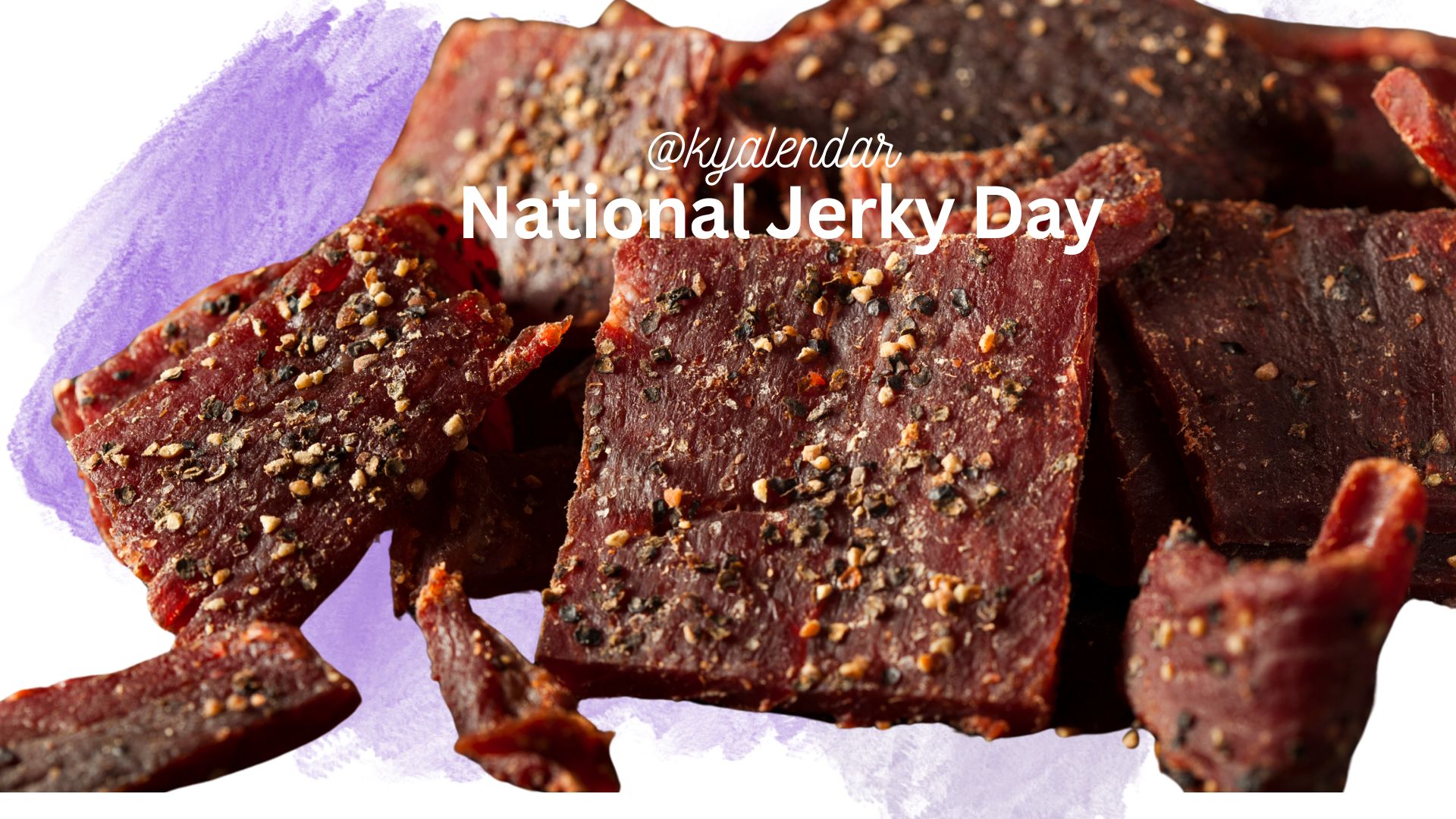
The History of Jerky
The origins of jerky can be traced back to ancient civilisations, long before the modern methods of food preservation we rely on today. Native Americans were known for drying meat to create a preserved, portable food that could last through long journeys and harsh winters. The word “jerky” itself comes from the Quechua word “ch’arki,” meaning dried or salted meat. Over time, the practice spread globally, with variations found in different cultures.
Jerky was particularly important during periods when refrigeration wasn’t available, as it allowed people to store meat for long durations without it spoiling. It became a favourite among travellers, soldiers, and adventurers due to its light weight and long shelf life. Today, jerky is enjoyed in various forms, including beef, turkey, and even plant-based alternatives.
Why Jerky Is So Popular
The popularity of jerky stems from its versatility as a snack. It is not only easy to carry around, making it ideal for road trips, hiking, or busy days, but it also offers a rich source of protein. High-protein snacks have gained considerable attention in recent years, especially for those leading active lifestyles, and jerky fits the bill perfectly.
Jerky has evolved over the years from being a simple meat snack to a gourmet item, with various flavours and seasonings to suit all tastes. Today, you can find jerky that’s sweet, spicy, smoked, or even marinated in different sauces. Its diversity means that there is a jerky for nearly every palate.
Modern-Day Jerky
With the growing interest in healthier eating, jerky manufacturers have focused on producing products that align with current dietary trends. Low-fat, low-carb, and sugar-free options are now widely available, making jerky a go-to snack for those on diets like keto or paleo. Additionally, the rise of plant-based diets has led to the creation of vegan jerky, made from soy, mushrooms, or other protein-rich plants.
Despite the modern twists, the core appeal of jerky remains the same—it’s a convenient, flavourful, and nutritious snack.
Celebrating National Jerky Day
On National Jerky Day, many people take the opportunity to explore new types of jerky or even try their hand at making their own at home. Homemade jerky allows people to experiment with flavours and cuts of meat, ensuring that they have complete control over the ingredients. It’s also a fun and rewarding way to honour the tradition of jerky making.
Some celebrate by simply stocking up on their favourite brands, while others might look for special deals or limited-edition jerky products released in conjunction with the day. Social media is often buzzing with jerky enthusiasts sharing their reviews, recipes, and tips for making the perfect batch.
The Nutritional Benefits of Jerky
One of the reasons jerky remains a popular snack choice is its nutritional benefits. While the nutritional content can vary based on the type of meat and preparation methods, jerky is generally high in protein, making it an excellent snack for energy and muscle repair. It is also relatively low in fat and, when made without added sugars or preservatives, can be a healthy, low-carb option.
However, it’s important to be mindful of the sodium content in many commercial jerky products. The curing process typically involves a good amount of salt, which, while helping to preserve the meat, can lead to high sodium levels. As with any processed food, moderation is key.
Different Types of Jerky
While beef jerky is perhaps the most well-known, there are several other varieties available:
- Turkey Jerky: A leaner alternative to beef, turkey jerky is popular among those looking for a lower-fat option.
- Bison Jerky: Known for its rich flavour and lower fat content, bison jerky is becoming increasingly popular.
- Vegan Jerky: Made from soy, mushrooms, or other plant-based proteins, vegan jerky caters to those following a vegetarian or vegan diet.
- Fish Jerky: Though less common, fish jerky, particularly salmon, offers a unique, omega-3-rich alternative to traditional meat jerky.
How to Make Jerky at Home
Making jerky at home is a rewarding process that allows for complete control over the ingredients and flavours. To make jerky, thin strips of meat are seasoned and then dried at low temperatures. While a dehydrator is ideal for this process, it can also be done in a regular oven.
- Choose your meat: The best cuts for jerky are lean cuts like top round or flank steak for beef, or breast for turkey. Trim off any excess fat, as this can spoil during the drying process.
- Marinate or season: Flavours can range from simple salt and pepper to complex marinades involving soy sauce, honey, garlic, and spices. Allow the meat to marinate for several hours to absorb the flavours.
- Drying: Use a dehydrator or set your oven to its lowest temperature. Lay the strips of meat on a rack to allow air to circulate. The drying process can take several hours, depending on the thickness of the meat.
- Storage: Once dried, store the jerky in an airtight container. Properly prepared jerky can last for weeks, though it’s likely to be eaten long before that!
Conclusion
National Jerky Day is a celebration of one of the world’s oldest and most beloved snacks. Whether you’re a fan of the traditional beef version or enjoy experimenting with new flavours and ingredients, jerky offers something for everyone. As more people look for portable, healthy snack options, the popularity of jerky continues to rise. So, on 12th June, grab your favourite jerky and celebrate this timeless treat that has sustained travellers, hunters, and snack enthusiasts for centuries.
Details
- Date: June 12, 2025