
- This event has passed.
International Clinical Trials Day
May 20, 2025
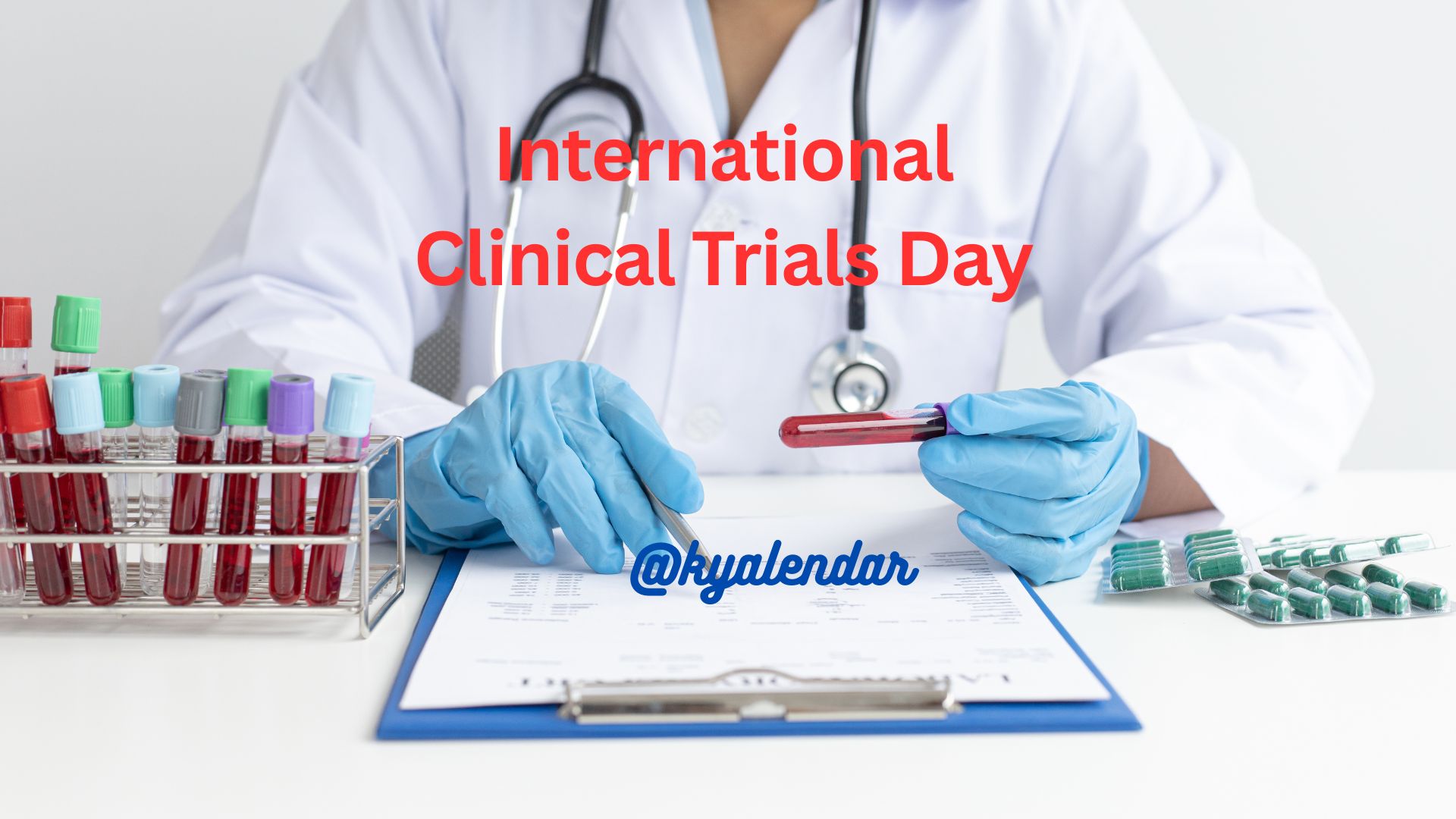
International Clinical Trials Day is observed on May 20th each year, marking a significant moment in the medical research calendar. This day serves to raise awareness about the importance of clinical trials in advancing medical knowledge, improving patient care, and developing new treatments for various health conditions.
Historical Context
The date of May 20th is particularly symbolic, as it commemorates the day in 1747 when James Lind conducted one of the first controlled clinical trials aboard a British naval ship. Lind’s experiment aimed to determine the most effective treatment for scurvy, a disease that plagued sailors during long voyages. By comparing the effects of different dietary interventions, he found that those who consumed citrus fruits showed significant improvement. This groundbreaking study laid the foundation for modern clinical trials and the principles of evidence-based medicine.
The Importance of Clinical Trials
Clinical trials are essential for several reasons:
- Development of New Treatments: Clinical trials are the cornerstone of medical research, allowing scientists and researchers to test new drugs, devices, and therapies in a controlled environment. This process is crucial for identifying effective treatments for diseases ranging from cancer to chronic conditions like diabetes.
- Patient Safety: Before any new treatment can be approved for general use, it must undergo rigorous testing to ensure its safety and efficacy. Clinical trials provide a systematic way to evaluate potential side effects and determine the best dosage for new medications.
- Regulatory Approval: Regulatory agencies, such as the Food and Drug Administration (FDA) in the United States, rely on data from clinical trials to make informed decisions about the approval of new treatments. Without these trials, it would be impossible to ascertain whether a drug is safe and effective for public use.
- Advancement of Medical Knowledge: Clinical trials contribute significantly to the overall body of medical knowledge. The findings from these studies help shape treatment guidelines and inform future research.
- Patient Participation: Clinical trials often provide patients with access to cutting-edge treatments that may not yet be available through traditional healthcare routes. Participation in a trial can also offer patients a sense of involvement in advancing medical science.
Celebrating International Clinical Trials Day
International Clinical Trials Day aims to educate the public and healthcare professionals about the importance of clinical trials and to encourage participation. Here are some ways to observe this day:
- Awareness Campaigns: Healthcare organisations, research institutions, and advocacy groups often launch campaigns to highlight the significance of clinical trials. These may include public service announcements, social media campaigns, and informational brochures that explain how clinical trials work and their benefits.
- Educational Events: Many institutions organise seminars, workshops, and conferences to discuss the latest advancements in clinical research, share success stories, and address common misconceptions about clinical trials. These events can foster dialogue between researchers, healthcare providers, and the community.
- Patient Testimonials: Sharing stories from patients who have participated in clinical trials can be powerful. These testimonials help humanise the research process and demonstrate the impact that clinical trials can have on individuals’ lives.
- Community Involvement: Local health organisations can engage communities through health fairs, informational booths, and outreach programmes that explain the importance of clinical trials and how individuals can get involved.
Challenges in Clinical Trials
Despite their critical role in advancing medicine, clinical trials face several challenges:
- Recruitment and Retention: One of the biggest hurdles is recruiting a diverse group of participants. Many trials struggle to meet their enrolment goals, which can delay research and affect the validity of study results. Efforts to increase awareness and simplify the participation process are essential.
- Ethical Considerations: Conducting clinical trials involves ethical considerations, particularly regarding informed consent and patient safety. Ensuring that participants understand the risks and benefits of joining a trial is paramount.
- Funding: Clinical research can be expensive, and securing funding is often a barrier to initiating and completing trials. Collaborations between public and private sectors can help address financial challenges.
- Public Perception: Misunderstandings about clinical trials can lead to hesitancy among potential participants. Education and outreach are crucial for dispelling myths and encouraging participation.
The Future of Clinical Trials
The landscape of clinical trials is evolving with the introduction of technology and innovative methodologies. The use of digital health tools, such as mobile apps and telemedicine, is transforming the way trials are conducted, making it easier for patients to participate and for researchers to collect data. Additionally, adaptive trial designs allow for more flexible approaches that can respond to findings as they emerge, ultimately speeding up the research process.
Conclusion
International Clinical Trials Day is a vital occasion that underscores the essential role of clinical trials in advancing healthcare and improving patient outcomes. By raising awareness and encouraging participation, this day contributes to a greater understanding of the research process and the importance of evidence-based medicine.
As we celebrate International Clinical Trials Day, let us recognise the contributions of researchers, healthcare professionals, and, most importantly, patients who participate in these trials, paving the way for future medical breakthroughs and enhanced public health. Through their involvement, we can continue to improve healthcare and develop new treatments for generations to come.