
- This event has passed.
May Day
May 1, 2025
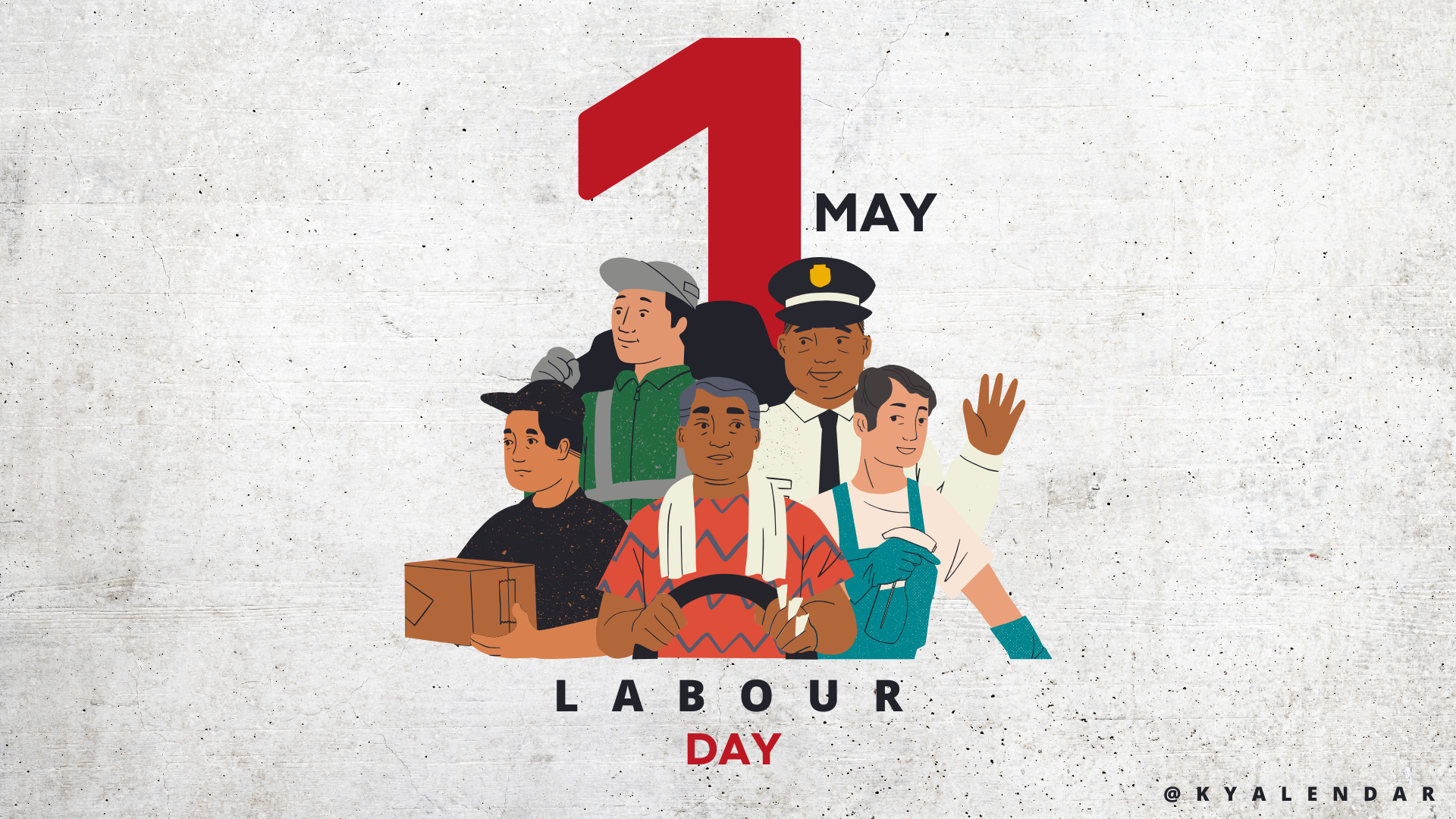
May Day, celebrated on the 1st of May, is a historic and culturally significant day observed in many countries around the world. It has roots in both ancient traditions and more modern labour movements, giving it a unique blend of meanings. Traditionally, May Day has been associated with the celebration of spring, fertility, and new beginnings, but it is also recognised as International Workers’ Day, honouring the contributions of labourers and advocating for workers’ rights.
Origins and Traditional Celebrations
May Day has its origins in ancient pagan festivals, particularly the Celtic festival of Beltane, which marked the halfway point between the spring equinox and summer solstice. Beltane was a time to celebrate fertility, growth, and the renewal of the land, a time when people would gather to light bonfires, dance, and offer sacrifices to ensure a fruitful growing season.
In many European countries, these traditions evolved over time, incorporating elements of local customs. One of the most recognisable symbols of May Day is the Maypole, a tall, decorated pole around which people would dance in celebration of spring. The dance itself is typically performed with long ribbons, each participant holding a ribbon and weaving them together in intricate patterns as they move around the pole. This custom symbolises unity and the coming together of communities to celebrate the changing seasons.
Another popular tradition is the crowning of a May Queen, a figure representing the beauty and fertility of spring. The May Queen is often chosen to lead processions or festivals, embodying the spirit of renewal and new life.
May Day in Britain
In Britain, May Day has long been a time of joyous celebration. Traditional customs include dancing around the Maypole, Morris dancing, and village festivals. In some areas, children still rise early to wash their faces in the morning dew, which is said to bring beauty and good fortune.
In Oxford, the festivities have a distinctive local flavour. Every May Day morning, crowds gather at Magdalen College to hear the college choir sing from the top of the college tower, followed by celebrations throughout the city. The day also features Morris dancers and various performances that bring the streets to life.
Historically, May Day in Britain also carried a deeper social meaning. In the medieval period, the celebrations were seen as a time when class distinctions were temporarily set aside, and people of all ranks came together to celebrate as equals.
May Day as International Workers’ Day
Beyond its traditional roots, May Day is also recognised globally as International Workers’ Day. This more modern association dates back to the late 19th century and is linked to the labour movement, particularly the fight for better working conditions and the eight-hour workday.
The movement gained momentum after the Haymarket affair in Chicago in 1886, when a peaceful labour protest turned violent following a bomb explosion. The tragedy brought international attention to workers’ rights, and May Day was later adopted by socialist and labour organisations around the world as a day to honour workers and advocate for social justice.
In many countries, including the UK, this modern iteration of May Day is marked with rallies, demonstrations, and public speeches, all aimed at raising awareness of workers’ rights and economic equality. For labour unions, political activists, and social movements, May Day is an important day of solidarity and a platform to highlight ongoing struggles faced by workers.
Modern Celebrations of May Day
May Day today retains a dual character, balancing between its roots as a spring festival and its role as a day for workers’ rights. In many places, traditional and modern aspects of May Day are celebrated side by side.
- Traditional Festivals: In rural areas and small towns, particularly across Europe, the more historic, nature-centred aspects of May Day still flourish. People come together to welcome the arrival of spring through various forms of communal celebration, from Maypole dances to feasts and fairs.
- Workers’ Day Rallies: In cities across the world, May Day rallies are held in support of workers and labour rights. These demonstrations are often a mixture of celebration and protest, addressing current issues such as fair wages, safe working conditions, and economic justice. In some countries, May Day is an official public holiday dedicated to the contributions of workers.
The Significance of May Day in the Modern World
May Day remains an important and relevant day in both its traditional and modern contexts. Its celebration of spring and new beginnings provides a time to reflect on the cycles of life and the importance of nature, while its recognition as International Workers’ Day highlights the ongoing struggle for fairness, equality, and dignity in the workplace.
In an era where issues such as workers’ rights, climate change, and social inequality are ever-present, May Day serves as a reminder of the power of collective action. Whether celebrating the beauty of spring or advocating for justice and equality, May Day brings people together across the world in a spirit of hope, renewal, and solidarity.
Conclusion
May Day is a unique and multifaceted celebration that bridges the past and the present, combining ancient customs with the modern fight for workers’ rights. Whether through traditional festivities like dancing around the Maypole or attending workers’ rallies, it continues to be a day of community, reflection, and action. Whether honouring the earth’s renewal or advocating for a fairer society, May Day holds significance for many people worldwide, reminding us of the interconnectedness of our history, our rights, and our future.