
- This event has passed.
Udhauli Festival
December 15, 2024
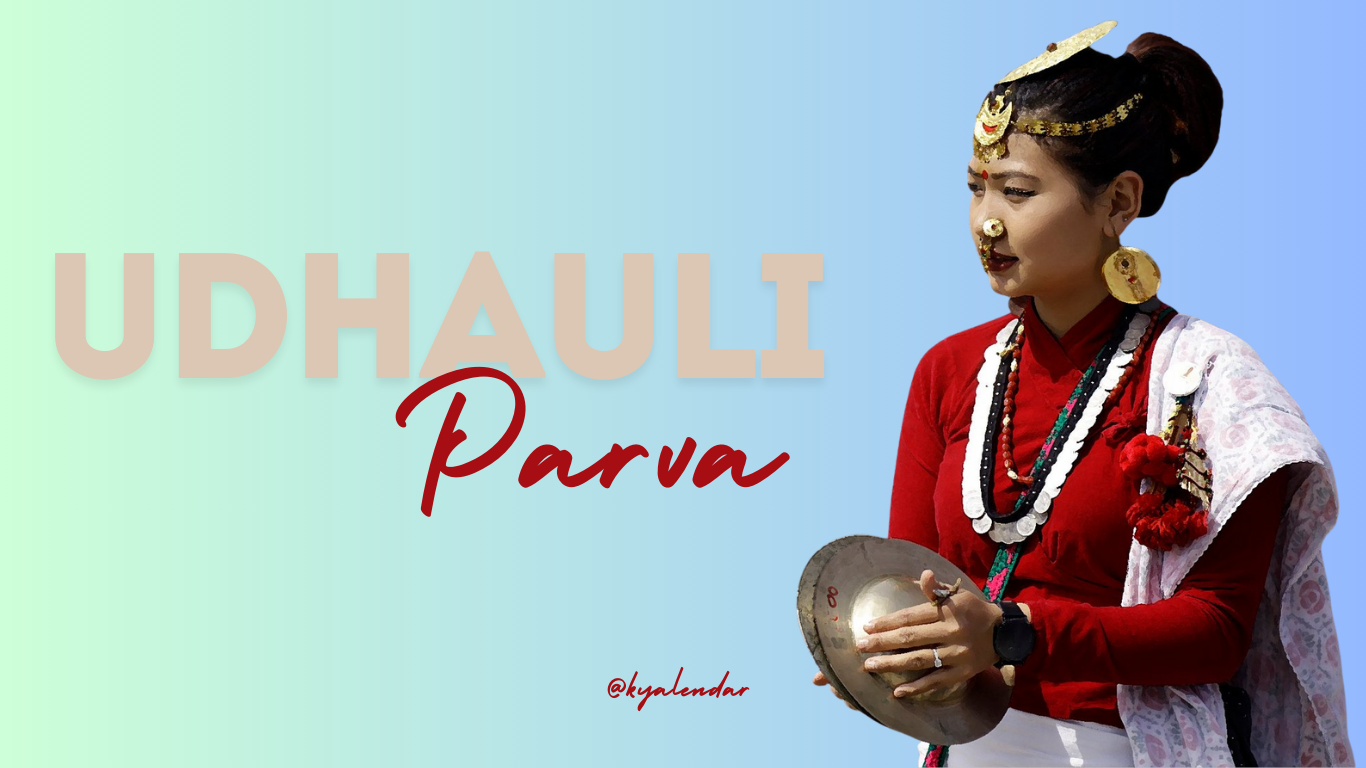
Udhauli Parba: A Celebration of Migration and Gratitude
Udhauli Parba is one of the most significant festivals celebrated by the Kirat community in Nepal, particularly the Rai and Limbu ethnic groups. This festival marks the seasonal migration of people and animals from the higher hills to the lower valleys to escape the harsh winter. Observed in the month of Mangsir (November/December) during the full moon, Udhauli is a time to express gratitude to nature and the ancestors for a bountiful harvest and seek blessings for the upcoming agricultural cycle.
The Meaning of Udhauli
The word “Udhauli” comes from the combination of two Nepali words: “Udha” meaning “down” and “uli” meaning “movement.” Together, it signifies the downward migration of people, livestock, and even birds as they prepare for winter. This movement is deeply tied to the agricultural calendar, making it both a practical and symbolic festival for the Kirat people.
Udhauli represents the cyclical connection between humans and nature. It is a time to thank Mother Nature for her abundance and to seek her blessings for future prosperity.
The Sewa Ritual and Worship
At the heart of Udhauli is the worship of Nature Goddesses and Ancestors, known as “Sumnima” and “Paruhang.” These deities are believed to protect the community and ensure fertility, prosperity, and harmony.
Families gather to perform a ritual known as “Sewa,” which involves offering locally brewed alcohol, millet, and other agricultural products. Special prayers are conducted to thank the ancestors and the spirits of nature for their guidance and blessings throughout the year.
This ritual not only deepens the bond between the community and nature but also reinforces respect for the environment, a value that the Kirat people have upheld for centuries.
Sakela Dance: The Soul of Udhauli
A defining feature of Udhauli Parba is the Sakela Dance, also known as the “Chandi Nach.” This traditional dance is a vibrant expression of joy, unity, and gratitude. People gather in large groups, dressed in traditional attire, and dance in a circular formation to the rhythmic beats of traditional instruments like the dhol and jhyamta.
The dance movements are inspired by daily life, agriculture, and the natural world, symbolising harmony between humans and the environment. It is a communal activity where young and old alike come together, fostering a sense of belonging and cultural pride.
Traditional Foods and Feasts
Udhauli is also a time for sharing and enjoying traditional foods made from fresh harvests. Special dishes prepared during this festival include millet bread, boiled yams, fermented millet alcohol, and gundruk (fermented leafy greens). These foods reflect the simplicity and resourcefulness of the Kirat people, who have long relied on locally sourced ingredients to sustain themselves.
The feasts are more than just a culinary experience; they are a way to honour the land’s bounty and strengthen familial and communal ties.
Agricultural and Seasonal Importance
Udhauli is closely linked to the agricultural lifestyle of the Kirat people. It signifies the conclusion of the harvest season, a time to store grains and prepare for the colder months ahead. The festival serves as a reminder of the interconnectedness between humans, animals, and nature.
This seasonal migration is not just physical but also symbolic, representing a cycle of life where one adapts to the rhythms of nature to survive and thrive.
The Spiritual Connection
Udhauli is more than a celebration of migration or harvest; it is also a deeply spiritual event. The Kirat people believe that their ancestors continue to guide and protect them. By offering prayers and performing rituals, they maintain a sacred connection with their forebears.
This belief system is beautifully reflected in the community’s respect for nature. Trees, rivers, and mountains are seen as sacred entities, and their preservation is considered a duty. The festival reinforces this ethos, reminding everyone of the need to coexist peacefully with the environment.
Modern Celebrations
While Udhauli remains rooted in tradition, its celebrations have evolved with time. In urban areas, where the younger generation may not be directly involved in agriculture, the festival has become a way to reconnect with their heritage. Cultural programs featuring the Sakela Dance, traditional music, and storytelling are organised to keep the spirit of Udhauli alive.
Efforts are also being made to introduce Udhauli to a broader audience. Schools and organisations now host events to educate people about the festival’s significance, promoting cultural preservation and diversity.
A Festival of Unity and Gratitude
Udhauli Parba is a testament to the Kirat community’s deep respect for nature, culture, and ancestors. It is a celebration of migration, harvest, and the cycle of life, reminding us of the importance of adapting to nature’s rhythms.
The festival also fosters unity within the community, as people come together to perform rituals, share food, and dance under the open sky. It serves as a reminder that, despite the challenges of modern life, the values of gratitude, simplicity, and respect for nature remain timeless.
As the cold winds of winter sweep across the hills and valleys, the Kirat people will once again gather to honour their traditions, expressing their gratitude for the past year and embracing the hope of a prosperous future. Udhauli is not just a festival; it is a way of life, one that teaches us to live in harmony with the earth and cherish the blessings it provides.
This season, as the sound of drums fills the air and the rhythm of Sakela reverberates through the villages, the essence of Udhauli will once again come alive—a celebration of life, gratitude, and the eternal bond between humans and nature.